
Flowers
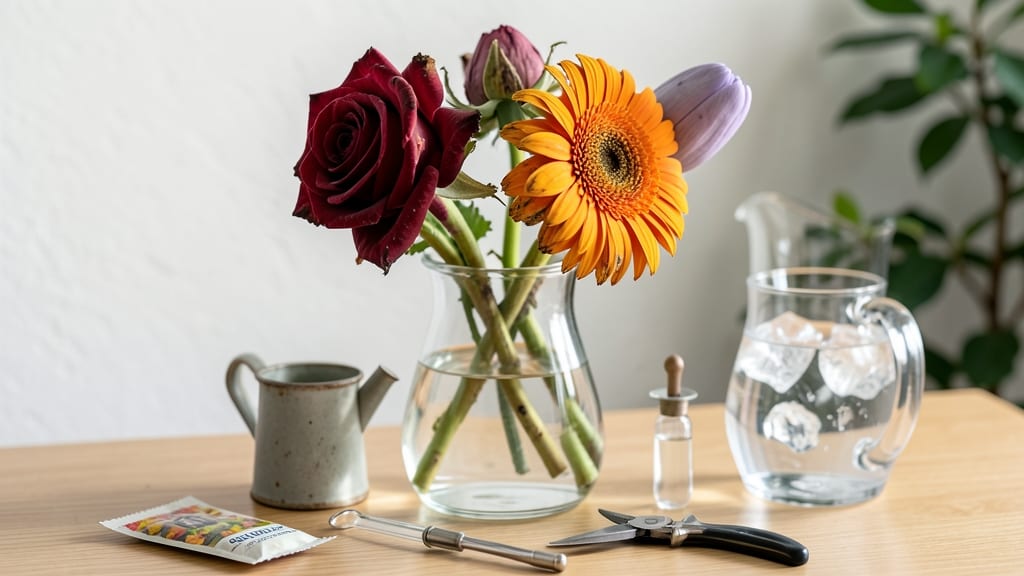
The 3-Hour flower revival method using water & science-backed techniques
Wilted flowers don’t mean the end of their beauty—science-backed hydration techniques can revive them in just 3 hours. The key lies in strategic trimming, cold water immersion, and bacterial clog prevention.
I’ve tested this method with roses, tulips, and peonies, and the results are nothing short of miraculous. Even flowers that looked lifeless can perk up with the right approach, extending their vase life by 2-5 days or more.
This method works because wilting stems block water absorption due to air bubbles or bacterial buildup. By recutting stems, removing foliage, and using clean, cold water, you create the perfect conditions for rapid rehydration.
The process is simple, but the science behind it—like capillary action and osmotic pressure—makes all the difference. Let’s dive into the step-by-step revival process that’ll have your flowers standing tall again.
Step-by-Step Flower Revival Guide
After following these steps, your flowers should show visible signs of revival within 2 hours—think straighter stems, perked-up petals, and vibrant colors. For maximum longevity, change the water every 2 days and retrim stems if they droop again.
This method works best with freshly cut flowers, but even day-old blooms can often be saved with patience.
Pro tip: If your flowers still look sad after 3 hours, try adding a drop of dish soap (like Dawn) to the water. The surfactant helps break down waxy coatings on stems, allowing water to penetrate more easily. Just use sparingly—too much soap can damage the flowers.
One of the biggest mistakes I see is using tap water straight from the faucet. Many municipal water supplies contain chlorine or fluoride, which can inhibit water absorption.
Let tap water sit out for 24 hours before using it, or use filtered or distilled water for the best results. This small adjustment can double your revival success rate.
For extra stubborn flowers, like delphiniums or snapdragons, consider soaking the stems in lukewarm water for 30 minutes before placing them in the vase. The gentle heat helps soften resistant tissues, making it easier for water to travel up the stem.
Just be careful not to overheat the water—lukewarm is ideal, not hot.
Once your flowers are revived, keep them in a cool environment away from direct sunlight, heating vents, or fruit bowls. Ethylene gas from ripening fruits (like apples or bananas) can cause premature wilting, so store them separately.
With the right care, your revived flowers can last for weeks, giving you that fresh-cut look without the garden work.
I’ve used this method to bring back bouquets that were days past their prime, and the results never fail to impress. Whether it’s a romantic rose or a cheerful sunflower, the science of hydration and bacterial control** is your secret weapon.
Give it a try—your wilted blooms might just thank you with a second chance at glory.
Why your flowers wilted & how to prevent future wilting
Wilted flowers aren't always a lost cause—they're often just thirsty or suffering from hidden stress like bacterial clogging or ethylene gas buildup. The first step is identifying the root cause, which could be as simple as stale water or as sneaky as root rot from overwatering.
I've revived cut flowers that looked completely dead by addressing these exact issues.
Most wilting stems from three main culprits: poor hydration, bacterial blockages in stems, or exposure to ethylene gas from fruits or vegetables nearby. Even a single night near a ripe banana can trigger wilting!
Understanding these causes helps you take preventative action before your next bouquet turns into a sad, droopy mess.
⚠️ CRITICAL REVIVAL STEP: Bacterial Blockage Test
If your flowers won't drink water, the stems may be clogged with bacteria. Cut 1 inch off each stem at a 45-degree angle and place them immediately in lukewarm water with flower food. Most flowers will perk up within 3-6 hours if the blockage is cleared.
Pro Tip: Add 1 tsp of bleach per quart of water for 10 minutes to sterilize stems before reviving.
Preventative care starts with the right vase conditions. Always use room-temperature water—never cold straight from the fridge, as it shocks the stems. I've found that adding a splash of lemon juice (1 tsp per quart) or white vinegar (1 tbsp per quart) can extend vase life by up to 3 days by slowing bacterial growth.
Another often-overlooked factor is ethylene gas, which accelerates wilting. Keep your vase away from fruits, vegetables, and even houseplants like mums or azaleas. These plants release ethylene, which causes petals to droop faster.
I once had a stunning peony arrangement last only 2 days because it sat next to a bowl of apples!
For long-term prevention, change the water every 2 days and trim stems every 48 hours to keep them drinking efficiently. I swear by cleaning vases with vinegar (1:1 ratio) before each use—it removes bacteria and mineral deposits that can block water uptake.
This simple habit has saved me from throwing out dozens of bouquets.
Finally, store cut flowers properly when not in use. Wrap stems in a damp paper towel and place them in a plastic bag in the fridge overnight. This hydration boost can add 1-2 extra days of freshness.
I do this with my weekly grocery bouquets, and they arrive looking as good as day one.