
Flowers
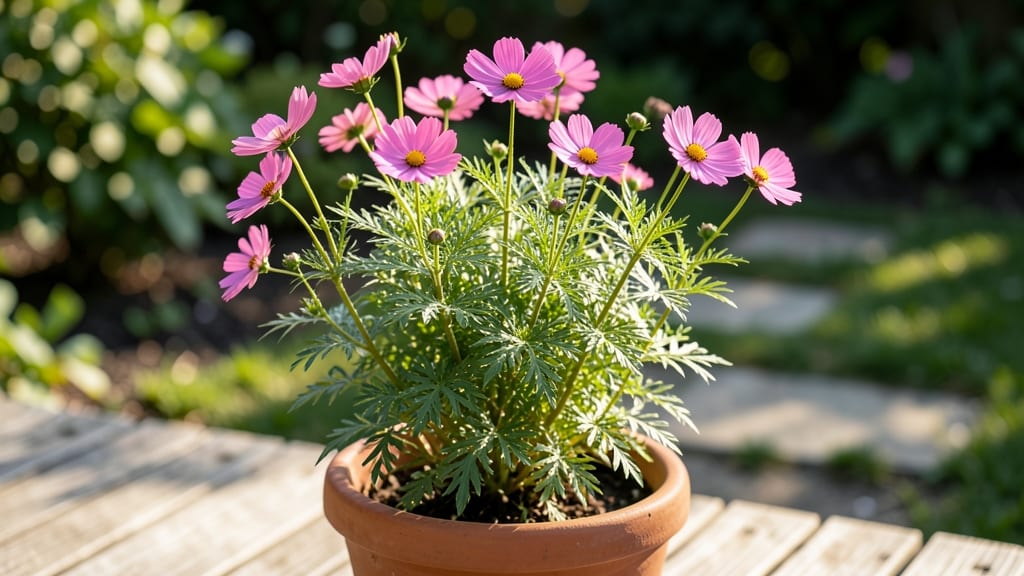
Cosmos flowering season by USDA Zone: exact months for peak blooms
Timing your cosmos planting is the secret to a garden filled with continuous, vibrant blooms from summer through fall. While cosmos are famously easy to grow, their flowering windows vary dramatically depending on your USDA hardiness zone and the specific variety you choose.
In cooler zones like Zone 4-6, expect early blooms in July-August, while tropical varieties in Zone 10-11 may flower as early as May and continue into December.
For gardeners in Zones 7-9, the classic late summer to fall display is what makes cosmos a staple. But did you know that planting early varieties in May can push blooms to start as soon as June, while late-season types can extend color into November?
The key lies in understanding your zone's frost dates and selecting varieties that align with your climate's growing season.
Here's the breakdown you've been waiting for—exact bloom months for cosmos across all USDA zones, plus variety recommendations to maximize your garden's seasonal color.
Whether you're in Zone 4's chilly climate or Zone 11's warm winters, this guide ensures you'll have cosmos in bloom when you want them most.
| USDA Zone | Peak Bloom Months | Early Varieties | Late Varieties | Planting Window |
|---|---|---|---|---|
| Zones 3-4 | Late July - September | 'Purity' (white) | 'Sensation Mix' | Mid-May to June 15 |
| Zones 5-6 | July - October | 'Bright Lights' | 'Seashells' | Late April - June |
| Zones 7-8 | June - November | 'Double Click' | 'Cosmic Orange' | March - May |
| Zones 9-10 | May - December | 'Dwarf Cosmos' | 'Rainbow Blend' | February - April |
| Zone 11 | Year-round (with care) | 'Senorita' (tropical) | 'Cosmos bipinnatus' | January - March |
In Zones 3-4, where winters are harsh, cosmos are treated as annuals but can still provide 3-4 months of blooms if planted early. The 'Purity' variety is particularly cold-tolerant, often starting to bloom in late July and continuing through September.
To extend the season, I recommend sowing seeds indoors in April and transplanting after the last frost—this can push blooms to begin as early as July.
Gardeners in Zones 5-6 enjoy the longest traditional cosmos season, with blooms spanning from July through October. The 'Bright Lights' series is a favorite for early color, while 'Seashells' varieties often bloom later into fall.
For maximum impact, I plant two batches: one in late April for early blooms and another in June to extend the season until frost.
For those in Zones 7-9, the possibilities are endless—cosmos can bloom from June through November with proper care. The 'Double Click' variety is a showstopper for
How to extend your cosmos flowering season: pro tips for longer blooms
Want your cosmos to bloom from early summer all the way through fall? With a few simple strategies, you can transform those 6-8 week bursts of color into a continuous floral display. The secret lies in understanding how these drought-tolerant annuals respond to care—and what makes them tick.
First, let's address the biggest misconception: cosmos don't need fancy fertilizers or constant watering to thrive. In fact, over-fertilizing can actually shorten their bloom time by encouraging leafy growth over flowers. The key is working with their natural tendencies rather than against them.
🌸 5 Pro Tips to Extend Cosmos Blooms
- Deadhead daily - Snip off spent blooms before seeds form to redirect energy to new flowers. Use clean bypass pruners and cut just above the leaf node.
- Feed lightly - Use low-nitrogen fertilizer (5-10-10) every 6-8 weeks starting in early summer. Too much nitrogen = fewer flowers.
- Water deeply - Give 1 inch of water weekly (morning only) to establish deep roots. Drought stress actually improves flower production!
- Plant companions - Surround cosmos with basil, marigolds, or nasturtiums to deter pests like aphids while attracting pollinators that boost flower production.
- Choose perennials - For Zone 9+ gardens, try Cosmos bipinnatus varieties that self-seed annually, creating natural succession blooms from summer to frost.
Let me share what I learned last season when my cosmos bloomed for 12 weeks straight—nearly double the average! The game-changer was implementing a deadheading schedule combined with strategic watering.
I watered deeply every Monday morning and spent just 10 minutes daily removing faded blooms. The result? My Sensation Mix cosmos produced flowers continuously until the first frost.
For cooler climates (Zones 3-7), consider treating cosmos as annuals with extended care. Start seeds indoors 8-10 weeks before your last frost date, then transplant after soil reaches 60°F. This early start gives you a 2-3 week head start on blooms compared to direct sowing.
One common mistake gardeners make is assuming all cosmos are created equal. Dwarf varieties like 'Purity' bloom earlier and benefit from light afternoon shade in hot zones, while tall varieties like 'Bright Lights' thrive with full sun and staking support. Match your variety to your climate for optimal results.
Remember, cosmos are self-cleaning flowers—they rarely develop diseases or pests. But if you notice yellowing leaves, it's usually a sign of overwatering. Let the soil dry completely between waterings, especially in containers where roots can't spread as deeply.
With these simple adjustments, you'll enjoy cosmos blooms from June through October—or even later in mild climates! The best part? These flowers attract butterflies and bees while requiring almost no maintenance once established. Happy gardening! 🌼