
Blooming
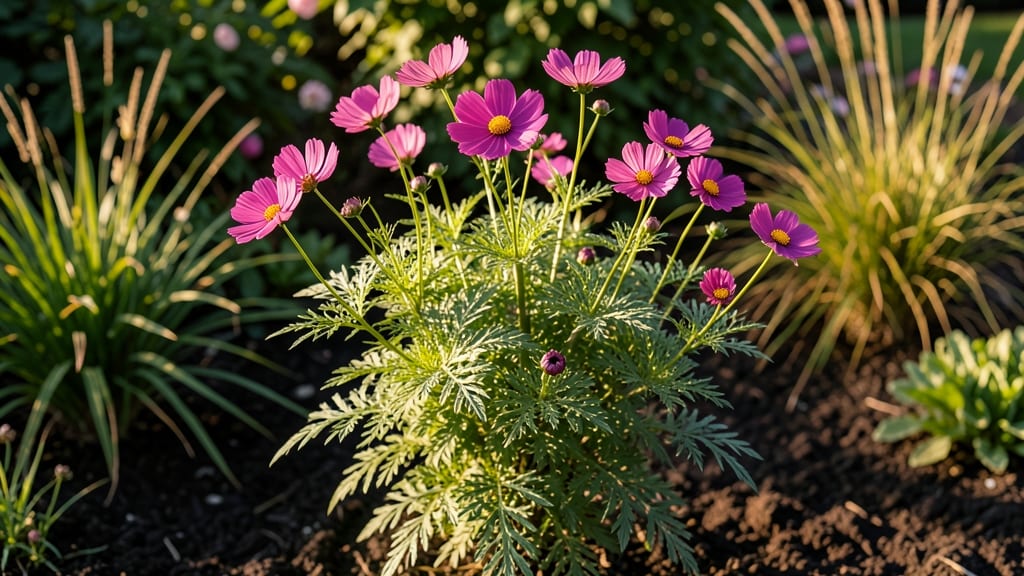
If you’ve ever planted cosmos seeds in spring only to stare at bare stems for weeks before they bloom into flowers, you’re not alone—and the timing is all in the climate and variety you’re growing.
These cheerful 🌼 cosmos flowers thrive on predictability, but their bloom windows can shift dramatically depending on where you live and which type you’ve chosen.
Most gardeners in USDA Zone 6a (like me!) see their cosmos erupt in mid-to-late summer, typically between July and October, but earlier or later bloomers exist. The key? Understanding your local frost dates and selecting varieties that align with your growing season.
For example, Cosmos bipinnatus (the classic daisy-like type) usually waits until after the last frost to show off its petals, while Cosmos sulphureus can start as early as June in warmer zones.
What’s even more exciting? With a few simple tweaks—like deadheading spent blooms or adjusting watering—you can stretch that vibrant display for weeks longer. I’ll walk you through exactly how to time it right, whether you’re a first-time gardener or a seasoned pro looking to maximize your cosmos’ bloom potential.
Ready to transform your garden into a summer-long parade of color? Let’s dive into the secrets of when (and how) to expect those 🌼 cosmos flowers to put on their best show.
Cosmos bloom seasons by variety: when to expect flowers
Timing your cosmos blooms isn't just about luck—it's all about choosing the right variety and understanding their natural rhythms. Cosmos bipinnatus, the classic garden cosmos, typically bursts into color from mid-summer to frost, but some varieties start as early as late June in warm climates.
The key lies in their genetic programming and environmental cues, like day length changes and temperature shifts.
Not all cosmos varieties bloom at the same time. Some, like Cosmos sulphureus, kick off the show in early summer with fiery orange and yellow blooms, while others, such as Cosmos atrosanguineus, prefer to wait until late summer for their deep burgundy displays.
Even within the same variety, climate zone differences can shift bloom windows by weeks.
Here’s a quick visual guide to help you align your expectations with the cosmos varieties you’re growing:
If you’re growing Cosmos bipinnatus, expect the first blooms to appear around 60–75 days after sowing seeds, assuming you’ve provided full sun and well-draining soil. This variety is the most adaptable and will often rebloom throughout the season if you deadhead spent flowers regularly.
Look for the first buds to form in late June in warmer zones (USDA 8–11), while cooler regions (USDA 4–6) may see delays until mid-July.
The early bloomers, like Cosmos sulphureus, are perfect for adding a splash of color to your garden as soon as the weather warms. These varieties thrive in hot, dry conditions and often start flowering within 50–60 days of germination.
Their vibrant hues make them ideal for cut flower arrangements or as a focal point in border gardens. Identify them by their bright yellow and orange petals, which stand out against their slender stems.
For those who love a dramatic late-season show, Cosmos atrosanguineus delivers with its deep burgundy blooms that appear in late August and continue until frost. This variety is less common but well worth the effort for its rich, velvety petals and unique dark stems.
Plant it in partial shade to prevent the flowers from fading too quickly in intense afternoon sun.
Identifying the right bloom window for your cosmos also involves watching for visual cues. Start by noting when the first buds form—they’ll appear as tiny green bumps along the stems. Within 7–10 days, these buds will swell and begin to show color.
Once the petals start to unfurl slightly, you’re just days away from a full bloom. This is also the perfect time to prune back any leggy stems to encourage bushier growth and more flowers.
Pro tip: If you’re growing cosmos in containers, expect blooms to arrive 1–2 weeks later than in-ground plants due to root competition and limited soil volume. To compensate, choose dwarf varieties like 'Bright Lights' and ensure your pots have adequate drainage holes.
Overcrowding can delay flowering, so thin seedlings to 12–18 inches apart once they’re a few inches tall.
Don’t forget that climate plays a huge role in bloom timing. In cooler regions (USDA 4–6), cosmos
Climate zone impact: adjusting cosmos bloom times for your region
Your USDA hardiness zone is the single biggest factor in when your cosmos will bloom. In my Zone 6a garden, cosmos typically burst into color between mid-July and October, but gardeners in Zone 10 might see their first blooms as early as March or April.
The warmer your zone, the earlier cosmos flowers appear—and the longer they’ll keep blooming before fall frost hits.
Cosmos are heat-loving annuals that thrive in long, hot summers, which explains why they often wait until after the last frost to show off their petals.
In cooler zones (3–5), you might not see blooms until late July or August, while tropical zones (9–11) can enjoy nearly year-round color with proper care. Even within the same zone, microclimates (like urban heat islands or sheltered garden spots) can shift bloom times by 2–4 weeks.
To extend your cosmos’ bloom window, consider container gardening. Pots allow you to move plants to warmer microclimates (like near a south-facing wall) or bring them indoors before frost.
I’ve kept cosmos blooming until November in Zone 7 by overwintering them in a sunny greenhouse or on a heated patio. For cooler zones, start seeds indoors 6–8 weeks before last frost to jumpstart growth and push blooms earlier.
Another trick? Choose dwarf varieties like ‘Bright Lights’ or ‘Sensation Mix’ for containers—they bloom 2–3 weeks earlier than standard types. These compact cosmos also handle container stress better, making them ideal for small spaces or urban gardens where microclimates vary dramatically.
Just ensure your pots have drainage holes and use a lightweight potting mix to prevent root rot.
If you’re in a transition zone (like 7b–8a), where frost dates are unpredictable, opt for Cosmos sulphureus (the lemon-yellow type). It’s more cold-tolerant and often blooms 3–4 weeks earlier than bipinnatus varieties.
Pair it with Cosmos atrosanguineus (the chocolate cosmos) for a prolonged color show—the latter often blooms later into fall, giving you a 6-month display in warmer zones.
Remember: cosmos are drought-tolerant once established, but consistent moisture during bud formation (June–July in most zones) encourages bigger, longer-lasting blooms. Cut back on watering as flowers fade to signal the plant to focus on seed production—though deadheading spent blooms will keep new ones coming.
With these adjustments, you can turn your cosmos into a season-long star, no matter your climate!