
Flowers
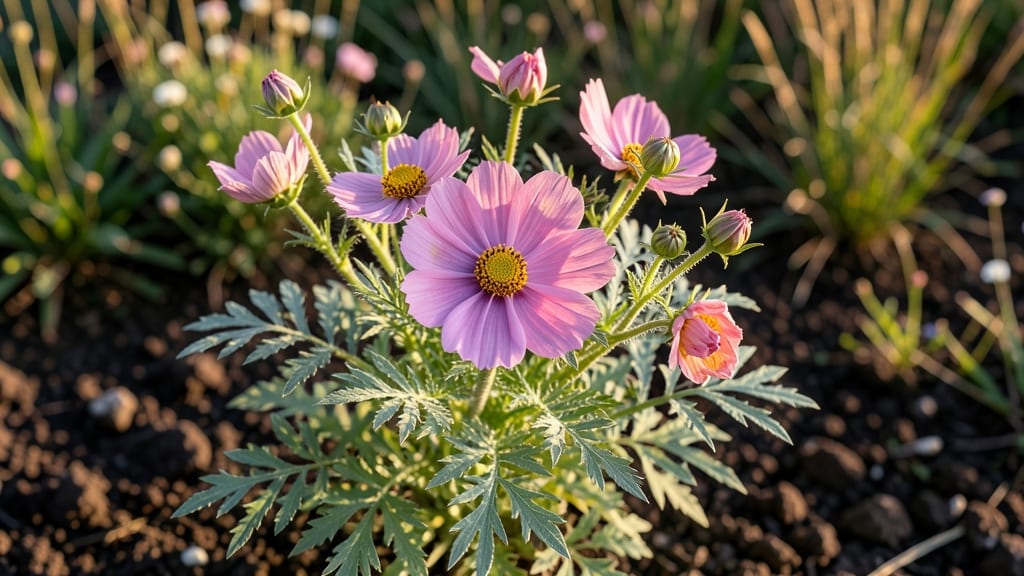
If you’re dreaming of a garden that bursts into color from late summer until frost, cosmos flowers bloom time is the secret to making it happen.
These cheerful blooms—like 🌸 pinks, whites, and purples—start their show as early as June in warmer zones and can stretch into October, giving you months of effortless beauty.
But here’s the catch: timing depends on where you live. In USDA Zone 6a, like many northern gardens, cosmos typically kick off in July, while southern zones might see them as early as May.
The key? Planting in spring (April-May) after the last frost ensures your cosmos get a strong start, setting the stage for a long, vibrant display.
Want to stretch that bloom time even further? The right care—like deadheading spent blooms and giving them full sun—can turn a 3-month show into a 5-month spectacle. Plus, choosing the right varieties (like ‘Bright Lights’ or ‘Sensation Mix’) makes all the difference.
Let’s break down the exact months your cosmos will bloom based on your zone, plus the simple tricks to keep them flowering all season long. Your garden’s summer-to-fall color party starts here!
When do cosmos flowers bloom? Exact months by USDA zone
Cosmos flowers are the effortless stars of summer and fall gardens, offering cheerful blooms from early summer until frost. But their exact bloom time depends heavily on your USDA zone and local climate.
In warmer zones, you might see continuous flowering from June through November, while cooler zones enjoy a shorter but still stunning display from July to October.
Whether you're planting dwarf cosmos for containers or tall varieties as cut flowers, knowing your zone helps you plan for peak color. Early varieties like 'Sensation Mix' often bloom first, while late varieties like 'Bright Lights' extend the season.
Let’s break down the month-by-month timeline so you can enjoy cosmos all season long.
🌱 Pro Tip: Cosmos thrive in full sun and drought-tolerant soil. If your zone has hot summers, provide afternoon shade to prevent wilting while maintaining vibrant blooms.
| USDA Zone | First Blooms | Peak Blooms | Last Blooms | Notes |
|---|---|---|---|---|
| Zones 3-5 | Mid-July | August | Early October | Short season; plant after last frost. |
| Zones 6-7 | Early July | July-September | Mid-October | Ideal for cut flowers; deadhead for reblooms. |
| Zones 8-9 | Late June | June-October | November | Longest season; may rebloom after light frost. |
| Zones 10-11 | May-June | June-November | December (mild climates) | Plant year-round; blooms nearly nonstop. |
In Zones 3-5, cosmos are late bloomers due to cooler springs. Start seeds indoors in March for earlier flowers, or direct-sow after your last frost date. These zones benefit from black plastic mulch to warm the soil and jumpstart growth.
Gardeners in Zones 6-7 enjoy the golden window for cosmos, with blooms stretching from July to October. For a longer display, interplant early varieties like 'Purity' with late varieties like 'Cosmic Orange'. In humid climates, space plants 12-18 inches apart to improve airflow and prevent mildew.
Warmer Zones 8-11 offer the longest bloom seasons, with some varieties flowering from June to November. In these regions, cosmos often self-seed prolifically. To prevent overcrowding, deadhead regularly and consider annual varieties for controlled growth.
If you live in a coastal zone (e.g., Zone 9 near the ocean), expect earlier blooms due to milder winters. However, salt spray can damage foliage, so plant cosmos 10+ feet from shore or use drip irrigation to rinse leaves.
For container gardening, dwarf cosmos like 'Ladybird' bloom 2-4 weeks earlier than standard varieties. Place pots in south-facing spots and use lightweight potting mix to prevent root rot during summer downpours.
🌿 Climate Adjustment: In high-altitude zones (e.g., Zone 6 at 5,000 ft), cosmos may bloom 2-3 weeks later than sea-level gardens. Extend the season by planting in raised beds, which warm up faster than in-ground soil.
To maximize cosmos blooms, pair them with companion plants like marigolds (repel pests) or basil (improves flavor if used in edible gardens). Avoid planting near fennel, which inhibits growth. With the right timing and care, your cosmos will thrive until frost—or even beyond!
How to extend cosmos bloom time: pro tips for longer flowers
Want your cosmos to bloom from June until frost? The secret lies in a few simple but powerful strategies. First, delaying the first blooms by a few weeks gives your plants more energy to produce flowers later in the season.
This is especially useful if you’re in cooler zones where blooms might taper off too soon.
Another game-changer is encouraging reblooming—a technique that tricks cosmos into producing fresh flowers instead of going dormant. Deadheading (removing spent blooms) is your best friend here, but timing matters.
Combine this with light fertilization every 4-6 weeks, and you’ll see a second wave of blooms that can last well into fall.
🌸 5 Pro Tips to Extend Cosmos Bloom Time
- 🌱 Delay first blooms by planting late-summer varieties (e.g., 'Seashells') in July-August for a fall show.
- ✂️ Deadhead daily—snip off spent blooms to redirect energy to new flowers.
- 💧 Water deeply in morning only to prevent fungal issues that stunt blooms.
- ☀️ Ensure 6+ hours of sun—cosmos wilt in shade, cutting bloom time by 30-50%.
- 🌿 Plant with companions like basil or marigolds to deter pests and boost reblooming.
If your cosmos start fading too early, early frost might be the culprit. To protect them, choose tall varieties (like 'Bright Lights') that handle cooler temps better. You can also cover plants with frost cloth on chilly nights, extending their season by 2-3 weeks.
For the longest displays, pair cosmos with companion plants that share their love for sun and drought. Marigolds repel pests, while basil enhances flavor (if you’re growing near herbs). This trio creates a low-maintenance, high-impact garden that blooms nonstop.
With these tricks, your cosmos will reward you with months of color—no fancy fertilizers or complicated schedules required. Just sun, deadheading, and a little patience, and you’ll have a garden that feels like a perpetual summer party.