
Planting
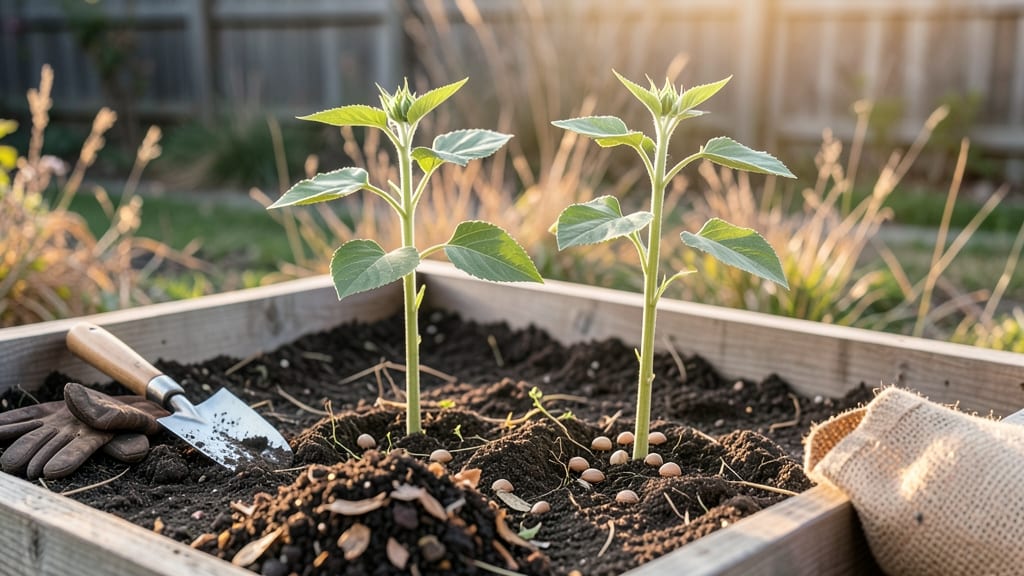
Planting sunflowers in fall might seem counterintuitive, but with the right approach, you can actually grow hardy varieties that survive frost and even bloom before winter. While most gardeners wait for spring, late-season sunflowers offer a unique opportunity to extend your growing season and enjoy vibrant flowers in unexpected months.
If you're in USDA Zone 6a or a similar climate, timing is everything. Some sunflower varieties, like 'Autumn Beauty' or 'Moulin Rouge,' are bred to withstand cooler temperatures, making them perfect candidates for fall planting.
The key is choosing the right type and preparing your soil properly to ensure strong root development before the first frost hits.
There are risks, of course—slow germination in cold soil or unexpected early frosts can derail your plans. But with a few smart strategies, like starting seeds indoors or using frost blankets, you can give your sunflowers the best chance to thrive.
Let’s explore how to make fall sunflower planting work for your garden.
Whether you're looking to beat the winter blues with cheerful blooms or simply curious about pushing your garden’s limits, fall-planted sunflowers could be the game-changer you didn’t know you needed. Ready to try it?

Best fall-planted sunflower varieties that survive frost
Fall-planted sunflowers might sound risky, but certain cold-hardy varieties actually thrive when sown in late summer or early fall. These frost-tolerant types can survive light frosts and may even bloom before winter—adding unexpected color to your garden.
The key is choosing fast-growing, compact varieties that mature before the first hard freeze.
While most sunflowers are summer annuals, some varieties like 'Autumn Beauty' and 'Moulin Rouge' are bred for extended seasons. These late-season performers can handle temperatures down to 20°F (-6°C) once established, making them perfect for fall gardens in USDA Zones 4-9.
Their secret? Thick stems and deep-rooted systems that store energy for winter survival.
For best results, plant these cold-hardy sunflowers 4-6 weeks before your first frost date. This gives them time to germinate and develop strong roots before temperatures drop.
In warmer climates (Zones 8-10), you might even get winter blooms—though in colder regions, they’ll focus on root growth and survive until spring.
Here’s a quick comparison of the top 5 frost-tolerant sunflower varieties for fall planting, including their growth speed, mature height, and ideal planting window:
'Autumn Beauty' is my top recommendation for fall planting—it’s fast-growing (60-70 days) and produces bicolor blooms that last through winter in mild climates. Its compact size (4-5 ft) makes it ideal for small gardens or containers, and it tolerates light frosts without damage. For colder regions (Zones 4-5), opt for 'Teddy Bear', which matures quickly and produces sequential blooms for extended color.
If you’re in a warmer zone (8-10),
Step-by-step guide: how to plant sunflowers in fall for winter blooms
Fall-planted sunflowers can be a stunning surprise when they bloom just before winter, but success depends on precise timing and preparation. The key is to plant 4-6 weeks before your first frost date, allowing enough time for germination and early growth.
In USDA Zone 6a, this typically means sowing seeds in early to mid-September. Choose a sunny location with at least 6 hours of sunlight daily, as sunflowers need ample light to establish strong roots before cooler temperatures set in.
Before planting, test your soil’s drainage and pH. Sunflowers prefer slightly acidic to neutral soil (pH 6.0-7.0) and well-draining conditions to prevent root rot. Amend heavy clay soil with compost or sand to improve aeration.
If your soil is nutrient-poor, mix in a balanced fertilizer (10-10-10) at planting time to give your sunflowers a growth boost before winter slows things down.
🌱 Step-by-Step Fall Sunflower Planting Guide
-
Step 1: Choose the Right Variety
Select cold-hardy varieties like 'Autumn Beauty' or 'Moulin Rouge,' which tolerate light frosts and grow quickly. Avoid tall varieties (over 6 ft) for fall planting—they may flop under winter winds.
-
Step 2: Prep the Soil
Loosen soil to a depth of 12 inches with a garden fork. Remove weeds and mix in 2-3 inches of compost to enrich the soil. For heavy soils, add perlite or coarse sand for better drainage.
-
Step 3: Plant Seeds at the Right Depth
Sow seeds 1 inch deep and 6 inches apart in rows 18-24 inches apart. Space dwarf varieties (under 3 ft) closer together to save space. Water gently to settle soil around seeds.
-
Step 4: Water Consistently
Keep soil moist but not soggy until seeds sprout (5-10 days). After germination, water deeply 2-3 times per week to encourage deep root growth. Avoid overhead watering to prevent fungal diseases.
-
Step 5: Protect from Frost
Once seedlings reach 4-6 inches tall, cover them with a frost blanket or row cover on cold nights. Remove covers during the day to allow sunlight. For extra protection, mound straw or mulch around the base of plants.
-
Step 6: Thin Seedlings
When seedlings are 2-3 inches tall, thin them to 12-18 inches apart (closer for dwarf varieties). This reduces competition and strengthens remaining plants. Harvest thinned seedlings for microgreens or compost.
-
Step 7: Monitor for Pests
Watch for aphids or slugs, which thrive in cool, damp conditions. Use neem oil or diatomaceous earth for organic pest control. Avoid chemical sprays, which can harm beneficial insects.
One of the biggest challenges with fall sunflowers is slow germination in cold soil. To speed things up, soak seeds in warm water for 24 hours before planting or use a seedling heat mat if temperatures drop below 50°F (10°C).
If your area experiences early frosts, consider starting seeds indoors 4-6 weeks before transplanting to give them a head start.
With the right care, your fall-planted sunflowers could surprise you by blooming as early as late October or November, adding a splash of color to your winter garden.
Just remember: patience and protection are key. Even if they don’t bloom, healthy seedlings will store energy in their roots for a stronger spring comeback.
Ready to try? Grab your seeds and a frost blanket—your winter sunflowers are waiting to shine! 🌻