
Light Requirements
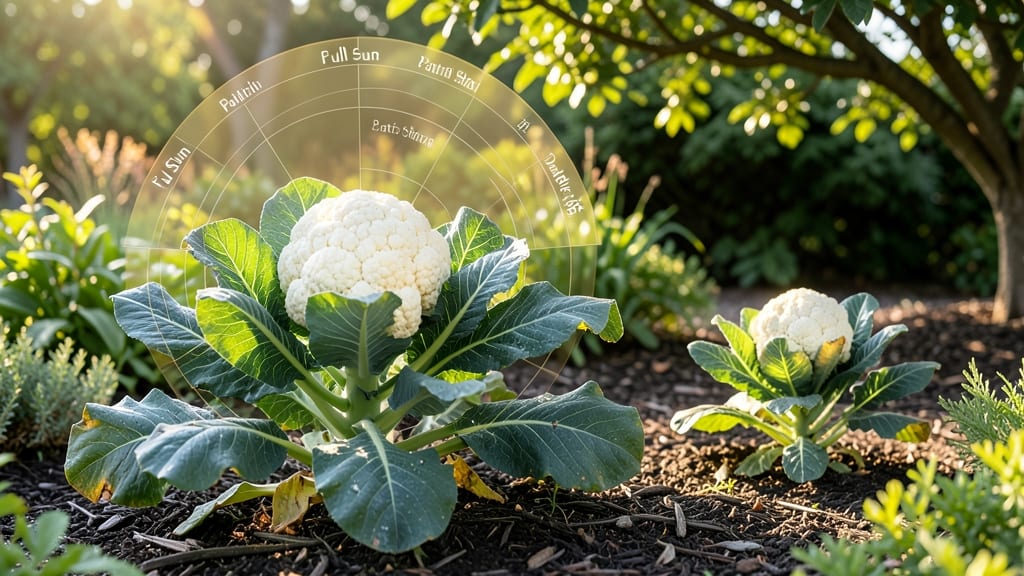
How many sunlight hours cauliflower needs (and what happens if you get it wrong)
Cauliflower thrives with 6 to 8 hours of direct sunlight daily, but the exact needs depend on your climate and variety. Too little light results in loose, bitter heads, while excessive heat can cause yellowing leaves and bolting.
Understanding these sunlight requirements is key to growing tight, creamy curds that look perfect in your garden. Let’s break down the ideal conditions and what happens when you get it wrong.
Most cauliflower varieties—like Snowball, Purple of Sicily, or Romanesco—require full sun exposure to form compact heads. However, in hot climates (USDA Zones 8-10), afternoon shade can prevent heat stress.
If you’re growing cauliflower in containers, ensure they receive at least 6 hours of sunlight daily, as pots can overheat faster than in-ground beds. Without enough light, your plants will stretch and produce small, loose heads that lack the tight texture we all love.
If your cauliflower isn’t getting enough sunlight, you’ll notice tall, leggy plants with small heads. This happens because the plant stretches toward light, diverting energy away from head formation. In extreme cases, cauliflower may bolt (flower prematurely), turning bitter and inedible.
On the other hand, too much direct sunlight in hot weather can cause the leaves to yellow or brown, especially if temperatures exceed 85°F. This stress forces the plant to prioritize survival over head development.
For cool climates (Zones 3-6), full sun is ideal year-round, but in hot climates (Zones 7-10), afternoon shade is crucial. Use shade cloth (30-50%) during peak afternoon hours to protect plants from scorching.
I’ve found that planting cauliflower near taller crops like corn or sunflowers can provide natural shade while still allowing 6+ hours of morning sunlight, which is the most critical window for growth.
This strategy works especially well in USDA Zone 9 or 10 gardens, where summer heat can be brutal.
Another pro tip: Rotate your cauliflower plants every few days to ensure even sunlight exposure. This prevents one side from becoming leggy while the other stays stunted.
If you’re growing cauliflower in containers, place them on a rolling cart or balcony to move them as the sun shifts throughout the day. This simple adjustment can make a huge difference in head quality, especially in small urban gardens where space is limited.
When temperatures dip below 50°F at night, cauliflower growth slows, and heads may fail to form properly. To combat this, use row covers or cold frames during chilly evenings. I’ve had great success with floating row covers in early spring, which trap heat without blocking sunlight.
Just remember to remove them during the day to avoid overheating. Balancing sunlight and temperature is the secret to growing tight, creamy cauliflower heads that rival store-bought quality.
One common mistake gardeners make is assuming all brassicas (like broccoli and kale) have the same sunlight needs. While they’re related, cauliflower is more sensitive to heat and shade. For example, broccoli can tolerate slightly less sunlight, but cauliflower will struggle to form heads if deprived.
Pay attention to the color of your leaves: dark green means healthy growth, while pale or yellowing leaves signal sunlight issues. If you see purple tinges on stems or leaves, it’s often a sign of too much heat combined with insufficient light.
To maximize your cauliflower’s sunlight exposure, plant it in the southernmost part of your garden, where it gets the most sun. Avoid planting near tall trees or structures that cast long shadows.
If you’re in a north-facing garden, consider using reflective surfaces like white walls or mulch to bounce extra light onto your plants. Even a few extra hours of sunlight can improve head size and tightness.
For container gardeners, a south-facing window is non-negotiable—west or east-facing windows won’t provide enough light for optimal growth.
Finally, remember that cauliflower is a cool-season crop, so it thrives in spring and fall but struggles in peak summer heat. If you live in a hot climate, opt for heat-tolerant varieties like 'Cheddar' or 'Graffiti', which can handle slightly higher temperatures.
Pair these with drip irrigation and mulch to keep roots cool and retain moisture. With the right sunlight balance, you’ll be harvesting perfect cauliflower heads in just 65-80 days
Best sunlight strategies for different climates (hot, cool, and partial shade solutions)
Cauliflower thrives with 6+ hours of sunlight daily, but extreme heat or deep shade can ruin your harvest. In hot climates, afternoon shade prevents bolting, while cool regions need morning sun to kickstart growth.
Let’s break down the best strategies for each scenario—plus how to tweak your garden setup for perfect heads every time.
Whether you’re battling scorching summers or chilly mornings, small adjustments like shade cloth, mulch, and companion plants can make all the difference. I’ll share my top climate-specific hacks to keep your cauliflower happy, no matter where you garden.
- 1 Hot Climates: Use 30-50% shade cloth for afternoon sun (2 PM–6 PM). Pair with white mulch to reflect heat and retain moisture.
- 2 Cool Climates: Maximize south-facing beds for winter sun. Add row covers in early spring to warm soil and speed up germination.
- 3 Partial Shade: Choose dwarf varieties (e.g., ‘Snowball Y Improved’) and plant near tall plants like sunflowers for dappled shade in peak heat.
- 4 Container Growing: Move pots to morning sun only in summer. Use black containers to absorb heat for cooler evenings.
- 5 Companion Plants: Plant bush beans or lettuce nearby to shade roots and reduce evaporation. Avoid tomatoes—they compete for nutrients.
For hot climates, I swear by shade cloth rated 30-50%—it filters just enough light to prevent bolting while keeping leaves lush. Hang it at a 45-degree angle to create moving shade as the sun shifts.
Pair this with straw mulch 2-3 inches deep to lock in moisture and cool roots.
In cool or cloudy regions, focus on early-season warmth. I’ve had the most success with black plastic mulch in spring—it raises soil temps by 5-10°F and speeds up growth. If your area gets frost after transplanting, use floating row covers until daytime temps hit 55°F consistently.
If your garden only gets partial shade, opt for early-maturing varieties like ‘Purple of Sicily’ (50 days) and supplement with a grow light for 4 hours/day if natural light drops below 4 hours.
I’ve also had luck planting near trees with dappled shade—just avoid dense canopies that block all light.
Pro tip: Monitor leaf color as your guide. Yellowing leaves mean too much heat or drought, while purple stems signal phosphorus deficiency (often from stress). Adjust your shade or watering immediately to prevent head issues.