
Blooming
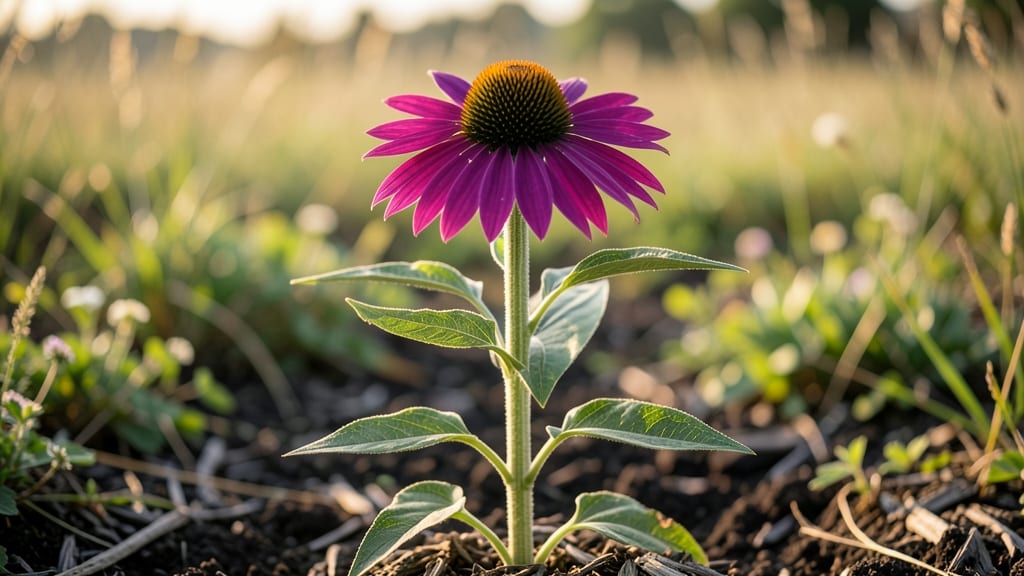
If you've ever wished for a garden that stays vibrant from summer into fall, understanding coneflower bloom season is your secret weapon. These hardy perennials—like the beloved 🌼 Echinacea purpurea—burst into color with minimal fuss, but timing makes all the difference for long-lasting displays.
In zones like 6a, coneflowers typically kick off their show in June, peaking through August and sometimes lingering until frost. But here’s the game-changer: with a few simple tricks—like deadheading spent blooms or choosing the right varieties—you can stretch that season well into September or even later.
Whether you're a first-time gardener or a seasoned pro, knowing when to plant, prune, and protect your coneflowers ensures they thrive. I’ll walk you through the month-by-month rhythm of their blooms, plus how sunlight, soil, and even your local climate can shift their schedule.
Ready to transform your garden into a pollinator paradise? Let’s dive into the easiest ways to maximize your coneflowers’ beauty—and keep them blooming longer than ever.
Coneflower bloom season by month: what to expect year-round
Coneflowers (Echinacea purpurea) are summer garden stars, but their bloom timing varies dramatically by USDA zone and variety. In Zones 3-5, expect blooms to start 2-4 weeks later than in Zones 6-9 due to cooler springs.
Understanding these patterns helps you choose the right varieties and plan companion plantings for continuous color.
For example, 'Magnus' (a late bloomer) thrives in Zones 4-8 and often flowers until first frost, while 'PowWow White' (an early bloomer) may start as early as late May in Zone 9.
Climate also plays a role—drought stress can delay blooms, while consistent moisture in early summer encourages earlier flowering.
🌼
| Month | Bloom Stage | Key Varieties | USDA Zones | Climate Notes |
|---|---|---|---|---|
| March-April | Bud Formation | All varieties | 6-9 | Warm springs trigger growth |
| May | First Blooms | 'PowWow White' | 7-9 | Early bloomers in heat zones |
| June-July | Peak Bloom | 'Magnus', 'Raspberry Wine' | 3-9 | Full sun = longest blooms |
| August-Sept | Late Blooms | 'White Swan' | 4-8 | Cool nights extend season |
| Oct-Nov | Seed Head Formation | All varieties | 3-9 | Leave for winter interest |
| Pro Tip: Deadhead spent blooms in July-August to encourage fall reblooms in warmer zones. | ||||
In Zone 3, coneflowers often wait until late June to bloom due to shorter growing seasons, while Zone 9 gardeners may see flowers as early as May. The 'Raspberry Wine' variety typically blooms 2 weeks later than 'Magnus', making it ideal for staggered color displays.
For northern climates, consider starting seeds indoors 8-10 weeks before your last frost date to jumpstart blooming.
Regional climate patterns also affect timing. In arid Southwest (Zone 7-9), coneflowers may bloom earlier due to intense summer heat, while Pacific Northwest plants often wait until July because of cooler summers.
To adjust timing, I recommend mulching heavily in spring to retain soil moisture and fertilizing lightly in early summer to support bud development.
For gardeners in Zones 4-5, late-summer varieties like 'Green Envy' are excellent choices—they bloom 2-3 weeks later than standard types, extending your color palette into September.
In Zone 6 and below, focus on early-blooming types that can handle shorter summers, such as 'Hot Papaya', which often starts flowering by mid-June.
One common misconception is that coneflowers bloom only once per season. With proper deadheading (removing spent blooms), many varieties will produce secondary blooms in late summer, especially in Zones 6-9.
I’ve seen 'PowWow White' plants in my Zone 7 garden continue flowering until October when I remove faded blooms regularly. This technique works best when combined with consistent watering during dry spells.
🌻
If you’re planting coneflowers for pollinator gardens, timing is critical. Bees and butterflies are most active during
How to extend coneflower bloom season for continuous color
Want your coneflowers to bloom from June through October instead of just a few weeks? The secret lies in simple, science-backed techniques that trick your plants into producing more flowers.
Start with deadheading—removing spent blooms—right after they fade. This redirects the plant’s energy from seed production to new flower growth, giving you weeks of extra color.
Another game-changer is companion planting. Pairing coneflowers with lavender or catmint not only deters pests but also creates a microclimate that encourages longer blooming.
These plants share similar growing conditions and repel common coneflower pests like Japanese beetles, letting your coneflowers focus on flowering instead of fighting off damage.
Soil health is the foundation of extended blooms. Amend your soil with compost or aged manure in early spring to boost nutrient retention.
Coneflowers thrive in well-draining, slightly alkaline soil (pH 6.0–7.0), but adding organic matter improves moisture retention, which is critical during hot, dry spells when blooms can wilt prematurely.
Extending Coneflower Bloom Season: Pros & Cons
✅ Pros
- Deadheading boosts new blooms by 30-50%.
- Companion plants deter pests naturally.
- Organic fertilizers improve soil health long-term.
- Extended blooms attract pollinators for weeks longer.
❌ Cons
- Synthetic fertilizers risk over-fertilization.
- Over-pruning can stress young plants.
- Companion plants may compete for nutrients.
- Requires consistent watering during dry spells.
When it comes to fertilizers, organic options like compost tea or fish emulsion win for long-term benefits. They release nutrients slowly, matching the plant’s natural uptake cycle and preventing the burn risk of synthetic fertilizers.
For a quick boost, use a balanced 5-10-10 fertilizer in early summer, but avoid heavy nitrogen—it promotes leafy growth at the expense of flowers.
Seasonal pruning is another key strategy. Cut back 1/3 of the plant’s height in late winter or early spring to encourage bushier growth and more flower stems.
In fall, leave the seed heads for winter interest and bird food, but remove them in early spring to prevent self-seeding where you don’t want it.
Finally, water deeply but infrequently. Coneflowers are drought-tolerant once established, but consistent moisture during their first year ensures robust root systems. Mulch around the base with straw or wood chips to retain moisture and suppress weeds, which compete for nutrients that could otherwise fuel more blooms.
With these techniques, your coneflowers will reward you with continuous color from early summer well into fall—turning your garden into a pollinator magnet for months on end. 🌼✂️💧