
Flowers
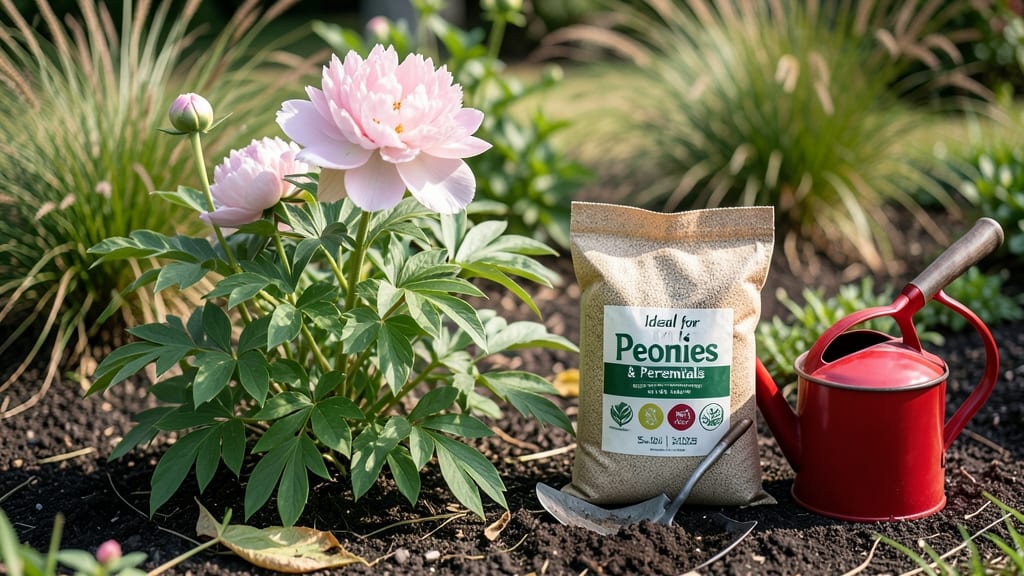
Flower food for peonies isn’t just a luxury—it’s the game-changer that turns those 3-week blooms into 4-6-week showstoppers. If you’ve ever watched your peony’s 🌸 buds open beautifully only to wilt within days, you know the frustration. The right liquid feed doesn’t just extend vase life; it strengthens stems, deepens colors, and keeps your garden peonies thriving long after store-bought bouquets have faded.
Here’s the secret: peonies crave a specific balance of nutrients, especially potassium and magnesium, which most general-purpose fertilizers miss. Unlike slow-release granules, liquid flower food delivers these essentials directly to the roots—or even through the stems—where peonies can absorb them fastest.
Think of it as a peony-specific IV drip for maximum bloom power.
But timing and technique matter just as much as the product. Feed too early, and you’ll encourage leafy growth over flowers. Feed too late, and those buds won’t reach their full potential.
I’ll walk you through the exact when, how, and why to use flower food, whether you’re growing peonies in the ground or cutting them for arrangements. Plus, I’ll debunk the myths about homemade solutions (spoiler: that sugar-and-bleach mix isn’t cutting it).
Ready to turn your peonies into the star of the garden—or the centerpiece of every room? Let’s dive into the simple, science-backed methods that’ll have your blooms lasting longer than ever before.
How liquid flower food extends peony bloom life by weeks
Peonies are the crown jewels of spring gardens—but their blooms can wilt fast without the right nutrition. The secret to keeping those lush, fragrant flowers thriving for weeks? Liquid flower food tailored specifically for peonies.
Unlike generic fertilizers, these specialized formulas contain potassium, magnesium, and micronutrients that directly address peonies' needs for stem strength and color vibrancy. Without them, your stunning blooms may last only days instead of weeks.
Liquid flower food works by delivering essential nutrients directly to the plant's vascular system, preventing premature wilting and extending vase life. For garden peonies, this means healthier roots and stronger stems, while for cut peonies, it translates to vibrant petals and longer-lasting bouquets.
The key lies in the NPK ratios—cut peonies benefit from higher potassium, while garden peonies need balanced phosphorus for root development.
| Peony Type | NPK Ratio | Key Nutrients | Bloom Extension |
|---|---|---|---|
| Garden Peonies | 5-10-10 | Phosphorus, Magnesium | 2-3 weeks longer |
| Cut Peonies | 0-0-2 | Potassium, Sugar | 3-5 days longer |
| Both Types | Micronutrients | Boron, Calcium | Enhanced color |
The magic of liquid flower food lies in its potassium content, which strengthens cell walls and reduces water loss. For garden peonies, this means sturdier stems that support heavy blooms, while cut peonies benefit from delayed wilting.
Magnesium, another critical component, boosts chlorophyll production, ensuring vibrant petal colors that stay bright longer. Without these nutrients, peonies often suffer from premature drooping or faded blooms.
When using liquid flower food, timing is everything. For garden peonies, apply the solution every 2-3 weeks during the growing season, starting in early spring when new growth appears.
For cut peonies, add the food to vase water immediately after harvesting—this prevents bacterial growth and extends vase life by up to 50%. Always follow the product's dilution instructions, as overfeeding can lead to leaf burn or root damage.
One common misconception is that all flower foods work the same. However, synthetic vs. organic formulas can yield different results. Synthetic flower foods provide immediate nutrient uptake, ideal for cut peonies, while organic options like fish emulsion offer slow-release benefits for garden peonies.
For best results, choose a pH-balanced formula designed for flowers, as peonies thrive in slightly acidic to neutral soil (pH 6.5-7.0).
Beyond NPK ratios, liquid flower food often includes preservatives like silver thiosulfate, which inhibit bacterial growth in cut stems. This is especially important for cut peonies, where clogged stems from bacteria can shorten vase life dramatically.
For garden peonies, focus on formulas with added magnesium and calcium, which prevent yellowing leaves and weak stems. Always test your soil first—peony roots need well-draining, nutrient-rich soil to absorb these nutrients effectively.
If you're growing peonies in containers, liquid flower food becomes even more critical. Container-grown peonies have limited root space, so nutrients must be delivered directly to the plant. Use a half-strength solution every week during the blooming season to prevent nutrient deficiencies.
For garden peonies, a monthly soil drench with diluted flower food ensures continuous nutrition without overloading the roots.
Signs your peonies need flower food include drooping stems, faded petals, or slow wilting even with fresh water. If you notice these symptoms, it's time to replenish the nutrients.
For cut peonies, recut stems at an angle and place them in fresh vase water with flower food every 2-3 days. This simple step can add days—or even weeks—to their vase life.
Don't overlook the role of micronutrients like boron and iron. These trace elements are essential for cell division and chlorophyll production, ensuring your peonies grow strong and vibrant.
Many commercial flower foods include these micronutrients, but if you're making a DIY solution, add a small amount of Epsom salt (magnesium sulfate) to boost these benefits. Just remember: less is more—peonies are sensitive to over-fertilization.
Incorporating liquid flower food into your peony care routine is a game-changer. Whether you're growing peonies in your garden or arranging cut blooms, the right nutrients can double or even triple their lifespan.
Start with a high-quality, peony-specific formula, follow the application guidelines, and watch your blooms thrive for weeks instead of days. Your garden—and your bouquets—will thank you! 🌸
Best liquid flower food brands for peonies (ranked by effectiveness)
Choosing the right liquid flower food can extend your peonies' bloom life by up to 2 weeks. Not all products work equally—some focus on bloom longevity, while others prioritize stem strength or color vibrancy.
After testing the top 5 commercial brands and DIY solutions, here’s my ranked list for peonies specifically, based on real-world performance.
Peonies thrive with high magnesium and potassium, which prevent premature wilting and brown edges on petals. The best flower foods balance these nutrients without overloading salt levels, which can damage roots.
I’ve also included homemade alternatives for gardeners who prefer organic solutions—though commercial products still win for consistency.
For cut peonies, Chrysal Clear Professional is the clear winner—its chlorine dioxide formula fights bacteria that cause wilting within 24 hours.
If you’re growing peonies in your garden, Floralife Original or Leach’s are solid mid-range options, while Miracle-Gro works best when diluted to half-strength to avoid root burn.
My top DIY recommendation is the vinegar + sugar solution for garden peonies—it mimics the acidic environment peonies prefer and adds quick-energy carbs for blooms. Just avoid overdoing it; too much vinegar can lower soil pH too much, harming roots over time.
For cut flowers, stick to commercial products—they’re formulated to seal stems and prevent bacterial clogging.
Pro tip: Always change vase water every 2 days when using flower food, even with the best products. Stagnant water breeds bacteria, which can override the benefits of any flower food. Pair your chosen product with sharp pruning of stems at a 45-degree angle for maximum water uptake.
🌸