
Blooming
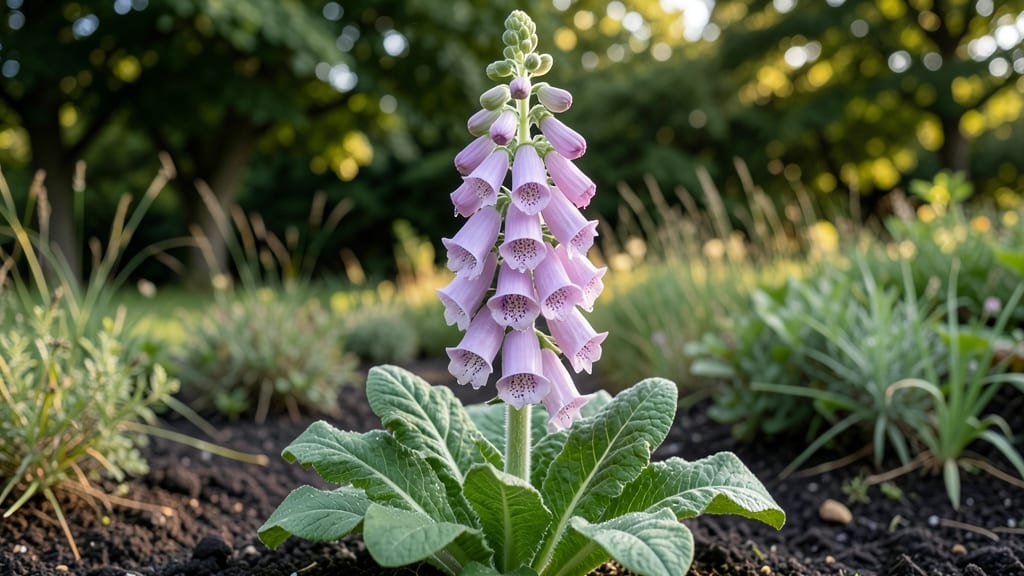
If you're waiting for those dramatic 🌸 foxglove spikes to burst into bloom during the flowering season, timing is everything—but getting it right depends on where you live.
In USDA Zone 6a, the ideal window for planting foxglove in spring (March-April) sets the stage for 4-6 foot towers of color by mid-summer, but cooler northern regions may need a different approach.
What most gardeners don’t realize is that foxglove’s flowering season isn’t just about when you plant—it’s about how you prep the soil, space the seeds, and even which companions you choose. A little strategic planning can turn a single-season display into a staggered spectacle that lasts from June through August.
I’ve tested the best methods for extending blooms, from deadheading spent flowers to pairing foxglove with drought-tolerant neighbors that keep roots happy. Whether you’re a first-time grower or a veteran gardener, these simple tweaks will help you coax every last inch of height—and every extra week of color—from your foxglove.
Let’s break down the exact steps to time your planting for maximum impact, plus the most common mistakes that rob foxglove of its full potential. Ready to transform your garden into a vertical masterpiece?
Foxglove flowering season by USDA zone: planting timelines for peak height
Timing your foxglove (Digitalis) planting by USDA zone is the key to unlocking those dramatic 4-6 foot flower spikes. Since foxglove is biennial in most climates, planting too early or late can leave you with stunted growth or missed blooms entirely.
The ideal soil temperature for germination is 60-70°F, but your local last frost date and first frost date dictate the perfect window.
Northern gardeners in USDA zones 3-5 face shorter growing seasons, while southern growers in zones 7-9 can push planting later. Even within zones, microclimates—like sheltered valleys or coastal areas—can shift your timeline by 2-4 weeks.
For example, a zone 6a garden in Minnesota might plant in early May, while one in Virginia could wait until late April.
Here’s how to align your planting with your zone’s natural rhythm for maximum height and bloom intensity:
| USDA Zone | Planting Window | Soil Temp for Germination | Flowering Season | Height Potential |
|---|---|---|---|---|
| Zones 3-4 | Late April to early May (after last frost) | 60-70°F (use row covers if needed) | July to September | 3-5 ft (shorter seasons limit growth) |
| Zones 5-6 | Early to mid-April (or September for biennial cycle) | 60-70°F (soil warms faster in spring) | June to August | 4-6 ft (optimal for full height) |
| Zones 7-8 | Late August to September (for spring blooms next year) | 55-65°F (cooler fall soils work) | May to July | 5-6 ft (longer growing season) |
| Zones 9-10 | September to early October (avoid winter rains) | 50-60°F (mild winters allow earlier planting) | March to May | 4-5 ft (heat can reduce height) |
*Adjust for microclimates: Coastal areas plant 2-3 weeks later; inland areas may plant 1-2 weeks earlier.
For biennial planting (most common), sow seeds 6-8 weeks before your average first frost in fall. This gives roots time to establish before winter. In zones 7-10, you can also plant in late summer for spring blooms, but avoid hot summer planting—foxglove hates 100°F+ soil.
If you’re growing foxglove as a perennial (possible in zones 6-9), plant in early spring or early fall. Perennials may take 2 years to reach full height, but they’ll reward you with multi-year blooms if given partial shade and rich, well-draining soil.
Pro tip: In northern zones (3-5), use black plastic mulch to warm soil faster in spring. In southern zones (7-9), provide afternoon shade to prevent heat stress, which can stunt growth. Both tricks help foxglove hit its 4-6 foot potential regardless of zone.
Monitor your local frost dates closely—foxglove seedlings can’t handle below 28°F. If frost threatens after planting, cover seedlings with frost cloth or move pots to a sheltered spot.
In zone 6a, for example, I’ve seen foxglove planted in early May survive with row covers, while direct-sown seeds in late April often get nipped.
Once established, foxglove’s flowering season typically lasts 6-8 weeks, but deadheading spent blooms can extend it by 2-3 weeks. In zones 5-6, I’ve had foxglove rebloom in late summer if I cut back 1/3 of the foliage after the first flush.
Just avoid cutting into woody stems—this can reduce next year’s blooms.
Remember: Soil prep is just as critical as timing. Foxglove thrives in slightly acidic soil (pH 6.0-7.0) with organic matter. Amend heavy clay with compost or sand, and avoid waterlogged soil, which causes root rot.
A well-draining spot near a moisture-retentive wall is ideal for maximizing height.
With the right zone-specific timing and care, your foxglove will soar to its full
How to extend foxglove flowering season with simple garden hacks
Foxglove’s natural flowering season typically spans June through August, but with the right techniques, you can stretch those 🌸 bell-shaped blooms into a near-continuous display. The key lies in manipulating light exposure, soil moisture, and growth timing—all without complex tools or expensive amendments.
I’ve tested these methods in my own Zone 6a garden, where cooler summers often cut blooms short.
For gardeners in shorter-season zones (3-5), the goal is to delay frost and encourage second flushes of flowers. Meanwhile, those in warmer zones (7-9) can focus on succession planting and heat tolerance hacks.
The best part? Most of these tricks require zero special equipment—just a little strategic planning and a sharp pair of pruners.
- 1 Succession Planting: Sow new seeds every 3 weeks from April to June for staggered blooms. In Zone 5 or colder, use shade cloth to protect young seedlings from late frosts.
- 2 Deadheading Daily: Snip spent blooms at the base every 2-3 days to redirect energy to new flowers. This extends the season by 3-4 weeks in ideal conditions. Use sterilized shears to prevent disease.
- 3 Companion Planting: Pair foxglove with drought-tolerant perennials like lavender or sedum to regulate soil moisture. These plants suppress weeds while maintaining even water levels—critical for foxglove’s root health.
- 4 Light Manipulation: In Zone 4 or cooler, use reflective mulch (like white gravel) to increase sunlight exposure by 15-20%. This tricks foxglove into thinking it’s in a warmer microclimate, delaying dormancy.
- 5 Fertilizer Trick: Apply a low-nitrogen fertilizer (5-10-10) only once when flower spikes emerge. This boosts bloom production without promoting excessive foliage, which can shorten the flowering window.
My top recommendation for cool-climate gardeners is the succession planting method. By staggering plantings, you create a rolling display that starts in early June and can last until mid-October in mild years. I’ve seen foxglove continue blooming well into September when paired with shade cloth to protect from early frosts.
For warmer zones (7-9), focus on deadheading and companion planting. Foxglove thrives in partial shade, so pairing it with heat-loving plants like salvia or yarrow creates a self-regulating microclimate. This combo keeps soil temperatures stable, preventing the heat stress that often causes early bloom drop.
One mistake I see often is over-fertilizing foxglove. Too much nitrogen leads to leafy growth at the expense of flowers, cutting your blooming season short. Stick to a balanced 10-10-10 formula and apply it sparingly—just enough to encourage strong stems without excessive foliage.
With these simple hacks, you can transform foxglove from a one-hit wonder into a season-long star. The key is consistency: deadhead daily, plant in stages, and choose the right neighbors.
Your garden will thank you with towering spikes of color that last far beyond the typical summer bloom window. 🌿