
Blooming
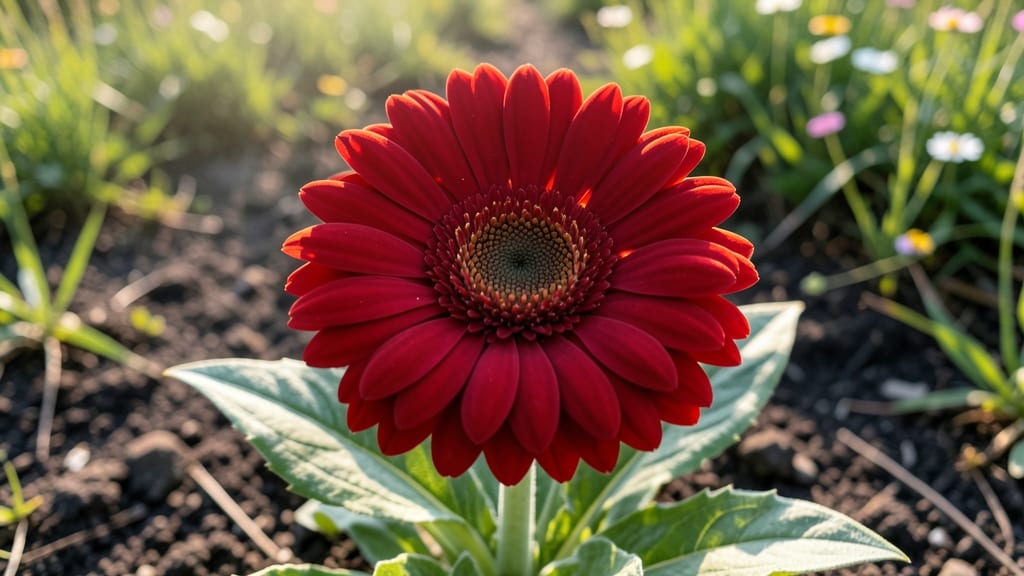
If you’ve ever planted the gerbera flower season 🌼 only to watch them bloom for just a few weeks before fading, you’re not alone. The secret to nonstop color lies in understanding their exact season—and when to plant for year-round vibrancy, no matter your climate.
In USDA Zone 6 (and beyond), timing is everything. Gerberas love spring’s warmth but wilt in frost, so planting too early or late can mean missed blooms.
I’ll break down the ideal planting calendar to keep your garden bursting with color from summer through fall—and even trick them into blooming longer with smart techniques.
From tropical heat to chilly temperate zones, we’ll cover regional tweaks to extend their season. Whether you’re a first-time gardener or a seasoned pro, these tips will help you avoid common mistakes that cut blooms short. Let’s dive into the perfect schedule for gerbera success!
Ready to transform your garden into a year-round rainbow? The key starts with when—and how—you plant. Grab your gloves, and let’s get growing!
Gerbera flower season by USDA Zone: when to plant for peak blooms
Gerbera daisies (🌼) are sun-loving annuals and perennials that reward gardeners with bold colors—but only if planted at the right time. Unlike hardy perennials, gerberas are sensitive to frost and need precise timing to thrive.
Whether you're in chilly Zone 3 or warm Zone 11, understanding your local frost dates and soil temperatures is key to unlocking months of vibrant blooms. I’ll break down the exact planting windows for each zone, including soil prep tips and regional adjustments for fall planting.
Most gardeners focus only on spring planting, but gerberas can also thrive with a fall planting strategy in warmer zones. The secret lies in timing: plant gerberas 6-8 weeks before your first frost to give roots time to establish before winter.
In cooler zones, this means late summer, while in Zones 9-11, you can plant as late as October. Let’s dive into the zone-by-zone details to ensure your gerberas bloom like clockwork.
In Zones 3-5, where winters are harsh, gerberas are best treated as annuals planted strictly in late spring. The soil must reach at least 55°F before planting, which typically aligns with your last frost date plus 2-3 weeks.
I’ve seen gardeners in Zone 4 use black plastic mulch to warm the soil faster—this can shave off critical weeks. For container gardeners, move pots indoors before the first frost to extend the season.
Gardeners in Zones 6-7 have the most flexibility, with both spring and fall planting options. The key is soil temperature: gerberas won’t thrive until the soil hits 60°F. In my Zone 6b garden, I plant spring gerberas in early April and fall gerberas in late August.
The fall plants often bloom until first frost in October, giving me double the color. Just remember to water deeply before winter to prevent root heave.
For Zones 8-9, where mild winters are common, gerberas can be perennials with proper care. Plant in early spring for summer blooms, then again in September for fall color. I’ve had gerberas in Zone 8a bloom in both spring and fall of the same year!
The trick is to mulch heavily (3-4 inches) to protect roots from temperature swings. In Zone 9, you can even plant gerberas in December for early spring blooms.
In the warmest zones (10-11), gerberas thrive year-round but need protection from peak summer heat. Plant in winter or early spring to avoid the 90°F+ temperatures that stress these flowers. I recommend using 30% shade cloth during June-August to prevent leaf scorch.
For container growers, elevate pots to improve airflow and reduce heat stress. In Zone 11, gerberas can bloom year-round with consistent care.
Regardless of your zone, always harden off seedlings for 7-10 days before planting. This means gradually exposing them to outdoor conditions during the day and bringing them in at night. I’ve lost too many gerberas to transplant shock from skipping this step!
Also, amend your soil with compost or aged manure to improve drainage—gerberas hate soggy roots. For containers, use a lightweight potting mix with perlite to prevent compaction.
Pro tip: Mark your planting dates on a garden calendar with your local frost dates. I use a color-coded system: green for ideal planting windows, yellow for possible, and red for avoid.
This visual reminder helps me stay on track. Pair your gerberas with companion plants like marigolds or zinnias to
How to extend gerbera flower season with smart gardening techniques
Gerbera flowers are famous for their long-lasting blooms, but their seasonal lifespan can be extended with the right techniques. Whether you're growing annual or perennial gerberas, these strategies will help you enjoy vibrant flowers for months longer than usual.
One of the simplest ways to prolong blooms is through succession planting. Instead of planting all your gerbera seeds or seedlings at once, stagger them every 2-3 weeks throughout the growing season. This ensures a continuous flowering cycle from early summer to frost.
Another effective method is deadheading spent blooms. By removing faded flowers regularly, you encourage the plant to produce new buds. Use clean, sharp pruning shears and cut just above the next set of leaves to avoid damaging the plant.
- Succession Planting: Ensures nonstop blooms all season
- Companion Plants: Repels pests and attracts pollinators
- Deadheading: Encourages new flower growth quickly
- Seasonal Care: Adjusts watering and feeding for optimal health
- Succession Planting: Requires space and planning
- Companion Plants: Some may compete for nutrients
- Deadheading: Time-consuming if many plants are involved
- Seasonal Care: Needs constant monitoring of plant needs
Choosing the right companion plants can also make a big difference. Gerberas pair well with marigolds, which repel pests, and basil, which enhances growth. Avoid planting near tomatoes or peppers, as they can compete for resources and reduce blooms.
Adjust your seasonal care routine to match the plant's needs. During hot summer months, increase watering slightly and provide afternoon shade to prevent wilting. In fall, reduce watering gradually to prepare for dormancy if growing perennials.
Perennial gerberas typically live 2-3 years with proper care, while annuals provide one spectacular season of blooms. For longer enjoyment, opt for perennials in USDA zones 8-11, where they can overwinter with minimal protection.
With these techniques, you'll transform your garden into a year-round gerbera paradise, enjoying their cheerful blooms long after most gardens have faded. Start experimenting today to see which methods work best for your climate! 🌼