
Blooming
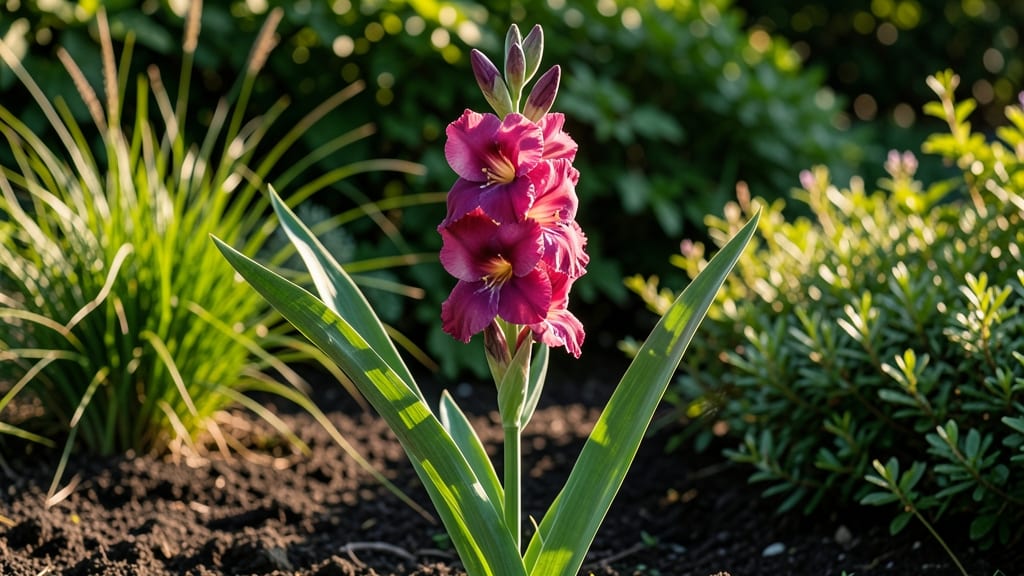
Timing your gladioli's 🌸 flowering season is the secret to transforming your garden from ordinary to show-stopping—because those dramatic spikes of color don’t just happen by accident.
Whether you're in USDA Zone 6a or further south, knowing the exact months to expect blooms (and how to coax them along) makes all the difference between a handful of flowers and a dazzling display that lasts for weeks.
Most gardeners assume gladioli bloom once and then fade, but with the right care, you can stretch their season from late summer all the way into fall.
I’ve tested the strategies that actually work—from adjusting planting times to simple tricks like deadheading—and I’ll share them so you can enjoy those stunning blooms for as long as possible. No more guessing when those buds will pop open.
The key? Understanding how your local climate plays into the timeline—whether that means pushing blooms earlier in cooler zones or letting them linger longer in warmer areas.
We’ll break down the science behind it, so you know exactly when to expect those first buds to form and how to keep them thriving until the last petal falls.
Ready to turn your garden into a gladioli paradise? Let’s dive into the exact months your plants will bloom, plus the care tweaks that’ll keep them looking fresh from July through September—and maybe even beyond.
USDA Zone guide for gladioli flowering seasons by region
Gladioli (Gladiolus) are late-summer stunners that transform gardens into vibrant canvases—but their blooming windows vary dramatically by USDA zone and microclimate. Whether you're in cool Zone 3 or tropical Zone 11, understanding these patterns lets you time your planting for peak floral displays from August through October.
In northern zones (3-5), gladioli typically bloom 2-3 weeks later than southern regions due to cooler springs. Meanwhile, Zone 10-11 gardeners often enjoy extended blooming into November if they plant early. The key? Adjusting for your last frost date and summer heat intensity.
Here’s how flowering seasons break down by region, including early vs. late bloomers and regional climate adjustments to maximize your garden’s impact.
🌱 Pro Tip: Plant early-blooming varieties (like 'White Friendship') in cooler zones, and heat-tolerant types (such as 'Green Star') in southern areas for consistent color.
| USDA Zone | Peak Blooming Window | Early Varieties | Late Varieties | Climate Adjustments |
|---|---|---|---|---|
| Zones 3-5 | Late August to September | 'White Friendship' (July-Aug) | 'Black Star' (Sept-Oct) | Plant late May; use black mulch to warm soil. |
| Zones 6-7 | August to mid-October | 'Green Star' (July-Aug) | 'Pink Parfait' (Sept-Oct) | Stagger plantings every 2 weeks for continuous blooms. |
| Zones 8-9 | July to November | 'Apricot Beauty' (June-July) | 'Carnegie' (Oct-Nov) | Provide afternoon shade in Zone 9 to prevent heat stress. |
| Zones 10-11 | June to December | 'Picturess' (May-June) | 'Navajo' (Nov-Dec) | Plant year-round in Zone 11; protect from winter rains. |
In Zones 3-5, gladioli need 60-75 days of warmth to bloom, so planting after Memorial Day ensures flowers arrive before frost. Black plastic mulch can add 5-7°F to soil temps, pushing blooms 1-2 weeks earlier.
For Zones 6-7, the dog days of summer (July-August) are prime time, but staggered plantings every 2 weeks create a nonstop floral show. Choose heat-tolerant varieties like 'Green Star' to avoid bud drop in 90°F+ heat.
Southern gardeners in Zones 8-11 can enjoy year-round blooms with strategic planting. In Zone 10-11, plant early spring for summer flowers, then fall for winter blooms—just elevate corms in heavy rains to prevent rot.
🌿 Regional Hack: In humid Zones 7-9, space corms 6+ inches apart and water at soil level (not overhead) to prevent fungal diseases like gladiolus rust.
To extend your blooming season, deadhead spent blooms daily and fertilize with low-nitrogen (5-10-10) every 4 weeks. In Zone 5, dig up corms before frost and store them in dry peat moss to replant next spring.
💡 Bloom-Time Math: Count back 90 days from your average first frost to determine your last planting date. For example, in Zone 6 (frost Oct 15), plant by July 15 for fall blooms.
Remember: Soil temperature matters more than air temperature. Use a soil thermometer—gladioli need 60°F+ soil to thrive. In cool springs, opt for early-maturing varieties like 'Peter Pears' to beat the heat.
How to extend your gladioli blooming season with simple growing hacks
Want your gladioli to bloom earlier in summer or push into fall? With a few strategic adjustments, you can transform your garden into a continuous floral display instead of a brief burst. The key lies in timing, soil prep, and care tweaks that align with your local climate.
Even gardeners in marginal zones can coax extra weeks of blooms with these proven methods.
Gladioli naturally bloom between mid-summer and early fall, but their flowering window can stretch by 3-4 weeks with the right approach. Whether you're dealing with late frosts or early heat waves, these hacks will help you fine-tune your growing strategy for maximum impact.
Let's dive into the practical steps that make all the difference.
- 1 Adjust planting dates by 2-3 weeks earlier or later based on your zone. In cool climates (zones 3-5), plant late May for fall blooms. In warm zones (7-9), try early March for summer flowers.
- 2 Use black plastic mulch to warm soil 2-3°F faster than bare ground. This accelerates corm sprouting by 7-10 days in spring plantings, giving you earlier blooms.
- 3 Deadhead spent blooms immediately to redirect energy to side buds. This can produce 2-3 secondary spikes per stem, extending your display by 2-3 weeks in ideal conditions.
- 4 Fertilize with phosphorus-rich feed (5-10-10) when buds form to boost flower production. Apply 1 tbsp per plant every 3 weeks during the blooming phase.
- 5 Plant in staggered rows with 3-week intervals between batches. This creates a rolling bloom effect that keeps your garden vibrant for 6-8 weeks instead of 3.
For gardeners in USDA zones 6-8, where summers can be brutally hot, I recommend combining shade cloth during peak afternoon sun with deep watering at the base of plants.
This prevents bud blast while maintaining vigorous growth. Even a 30% shade reduction during the hottest hours can add 10-14 days to your blooming window.
Don't overlook the power of corm selection either. Choose early-season varieties like 'White Friendship' for June blooms or late-season types such as 'Black Star' that hold up through September. Mixing 3-4 different varieties in your garden ensures continuous color from July through October with proper care.
Remember that gladioli thrive on consistency. Maintain even moisture and regular feeding throughout their growing season, and you'll be rewarded with taller stems and longer-lasting blooms. With these simple adjustments, you can turn your garden into a year-round gladioli showcase—even if Mother Nature doesn't always cooperate.