
Blooming
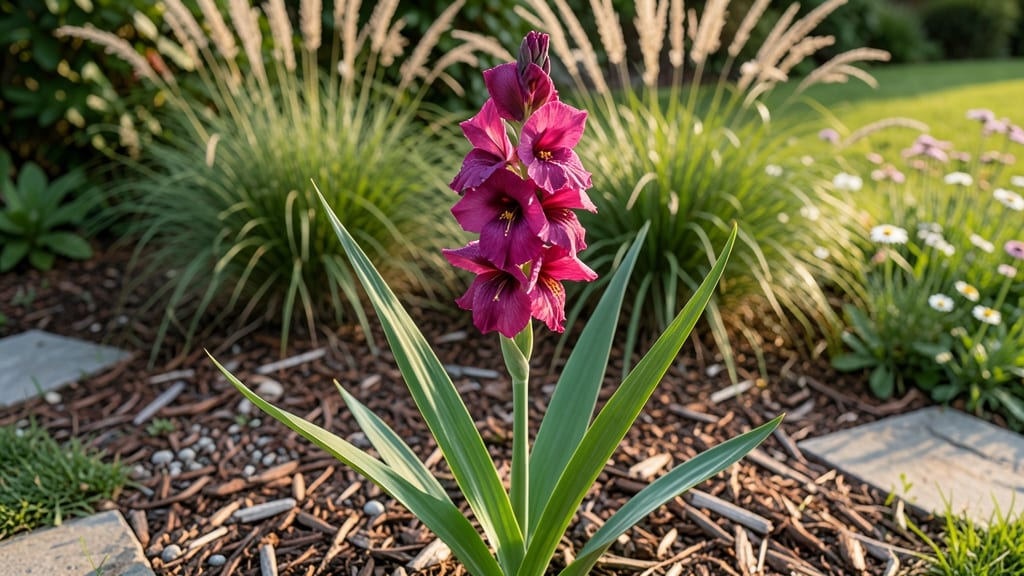
Timing your gladiolus flowering season right means the difference between a garden bursting with towering 🌸 blooms and a season of disappointment. These dramatic flowers don’t wait for anyone—they follow nature’s calendar, and missing their narrow window can leave you with nothing but empty stems.
If you’ve ever planted gladiolus corms in Zone 6a or warmer, only to watch them bloom weeks earlier or later than expected, you know how frustrating it can be.
The truth is, your location plays a bigger role than you might think—whether you’re in a temperate climate where summer stretches into September or a tropical zone where heat can push blooms earlier.
Here’s the good news: with the right planting schedule and a few simple care tweaks, you can extend your gladiolus season by 4-6 weeks.
I’ll show you exactly when to plant for summer or fall blooms, how to spot the first signs of trouble, and why some gardeners swear by succession planting to keep their 🌸 displays going strong.
Ready to transform your garden into a parade of color from July through September? Let’s dive into the secrets of gladiolus timing—because the most stunning blooms start with the right moves in spring.
Gladiolus flowering season by USDA Zone: exact months for each region
Timing your gladiolus planting is the secret to those jaw-dropping summer blooms. These tall, dramatic flowers only thrive when planted at precise intervals, and their flowering season shifts dramatically depending on your USDA hardiness zone.
In cooler northern zones, you’ll see blooms as early as late June, while southern gardeners enjoy them well into September. Let’s break down the exact months for each region so you never miss peak season.
Your gladiolus blooms depend entirely on when you plant their corms—those bulb-like roots. In Zones 3–5, you’ll want to plant in late April to early May for summer blooms, while Zones 6–8 can start as early as March.
Southern gardeners in Zones 9–11 often plant in August or September for fall displays. The key? Match your planting to your last frost date and local climate quirks.
Climate affects bloom timing more than you’d think. Humid southern summers can push blooms earlier, while dry western zones may delay them. Even 1–2 weeks of temperature swings can shift your gladiolus flowering season by a month. That’s why adjusting your planting schedule based on your microclimate is crucial—especially if you want continuous blooms from June through September.
| USDA Zone | Planting Time | Early Varieties Bloom | Mid-Season Bloom | Late Varieties Bloom |
|---|---|---|---|---|
| Zones 3–4 | Late April–May | Late June | July–early August | Mid-August |
| Zones 5–6 | Early April–May | Early June | June–July | Late August |
| Zones 7–8 | March–April | Late May | June–July | September |
| Zones 9–10 | August–September | October | November | December (mild winters) |
| Zone 11 | Year-round (succession) | Spring | Summer | Fall |
If you live in Zones 3–5, focus on mid-to-late season varieties like 'Friendship' or 'White Wings'—they’ll give you the longest gladiolus flowering season in your area. These varieties bloom from July through August, just in time for summer weddings and garden parties.
For earlier blooms, try 'Green Star' or 'Black Pearl', which can push your season back to late June in cooler climates.
Gardeners in Zones 6–8 have the advantage of a longer flowering window. Here, you can mix early bloomers like 'Pictorial' with late-season stars such as 'Red Beauty' to stretch your display from late May through September.
The trick? Plant two batches—one in March and another in June—for a non-stop show. Just ensure your soil stays well-draining to prevent rot in humid summers.
For southern gardeners (Zones 9–11), the game changes entirely. Instead of spring planting, aim for late summer to avoid scorching heat. Varieties like 'Navajo' or 'Pink Parfait' thrive in these zones, blooming from October through December.
In Zone 11, you can even plant year-round for continuous color, though succession planting every 6–8 weeks works best. Just watch for pests like thrips, which love warm climates.
Adjusting your planting schedule based on your zone isn’t just about timing—it’s about climate proofing your garden.
For example, if you’re in Zone 7 but experience early heatwaves, plant your gladiolus corms in late April instead of March to avoid bolting (when plants flower too early and produce weak stems).
Similarly, in Zone 5, a cold snap in May might delay blooms—so have row covers ready to protect emerging shoots.
Pro tip: Use mulch to regulate soil temperature and moisture. A 2–3 inch
How to extend your gladiolus flowering season with smart planting
Want to enjoy gladiolus blooms from July through September instead of just a few weeks? The secret lies in strategic planting—because these towering beauties follow a strict schedule, but you can bend it to your advantage.
By using succession planting and heat-tolerant varieties, I’ve stretched my own gladiolus season by nearly 6 weeks, creating a nonstop parade of color in my garden.
Even in cooler zones like USDA Zone 6a, where frost can sneak up early, container gardening and soil prep tricks can push blooms later. The key is understanding how to time your plantings and adjust care for your specific climate.
Let’s break down the three proven methods I use to extend my gladiolus season—plus a simple checklist to keep your plants thriving.
- 1. Succession Planting: Plant 3 batches of corms 3 weeks apart (April, May, June) for staggered blooms. Example: Early batch blooms in July, mid-batch in August, late batch in September.
- 2. Heat-Tolerant Varieties: Choose late-season types like 'Green Star' or 'Black Star' for longer vase life in hot climates. These thrive in Zones 7-11 and bloom 2-3 weeks later than standard varieties.
- 3. Soil Prep & Containers: Amend soil with compost + perlite for drainage, and use black containers to absorb heat in cooler zones. This extends the growing season by 10-14 days before the first frost.
Start with succession planting—this is my go-to trick for a continuous display. Plant your first batch of gladiolus corms in early April (after the last frost), then follow up with two more batches in late May and early June.
Each batch will bloom 3-4 weeks apart, ensuring you never have a gap in your garden’s color palette. For example, my early batch always bursts into bloom in mid-July, while the late batch holds on until early September.
If you’re in a hotter climate (Zones 8-11), focus on heat-tolerant varieties like 'Pink Parfait' or 'White Prosperity.' These varieties not only handle the heat better but also produce larger, more vibrant blooms later in the season.
I’ve found that planting these in late May instead of April gives me an extra 2-3 weeks of blooms before the heat becomes overwhelming.
For gardeners in cooler zones (Zones 3-6), container gardening is a game-changer. Use black plastic pots (they absorb heat) and place them in full sun. Add a slow-release fertilizer at planting to give your gladiolus a head start.
I’ve seen this method extend the blooming season by 10-14 days in my Zone 6a garden, making all the difference when frost threatens early.
Don’t forget to water deeply in the morning and mulch around the base to retain moisture. Overwatering or poor drainage can stress your plants and cut blooms short—so always ensure your soil has good drainage and isn’t waterlogged.
With these tips, you’ll enjoy gladiolus blooms for nearly half the summer instead of just a few weeks.
Ready to put it into action? Grab your corms and start planting—your garden will thank you with a show-stopping display that lasts all season! 🌸