
Flowers
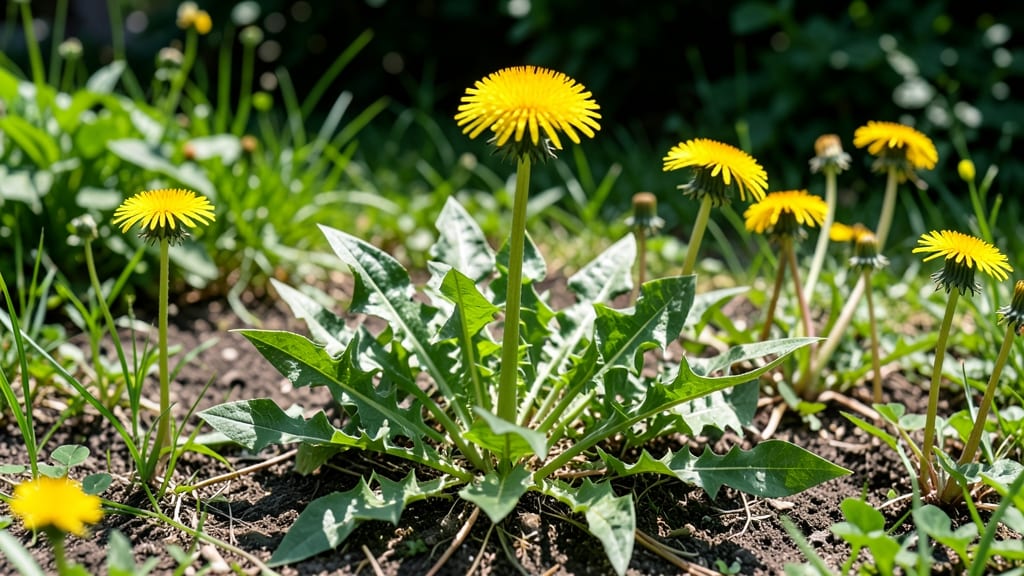
If you’ve ever spotted those bright yellow blooms popping up between your garden’s intended ground cover, you’re not alone—ground cover weeds with yellow flowers are a common frustration.
These tenacious invaders like creeping buttercup 🌼 don’t just look out of place; they outcompete your plants for sunlight and nutrients, leaving your garden looking patchy and unkempt.
The good news? You don’t need harsh chemicals to tackle them. With the right approach, you can remove these weeds naturally while keeping your garden thriving.
Whether you’re dealing with dandelions, oxalis, or buttercups, I’ll walk you through three fast, effective methods that work without disrupting your soil’s health or your ecosystem.
From manual extraction to targeted organic solutions, these strategies are designed to be quick and easy—no heavy machinery or toxic sprays required. Plus, I’ll share tips to prevent them from coming back, so you can enjoy a lush, weed-free garden all season long.
Ready to reclaim your garden? Let’s dive into the tools and techniques that actually work, so you can spend less time pulling weeds and more time enjoying your outdoor space.
Identifying common yellow-flowered ground cover weeds by region
Yellow-flowered ground cover weeds can turn your carefully cultivated garden into an unwelcome meadow overnight. These invasive plants spread aggressively, outcompeting your desired plants for water and nutrients.
The key to effective removal starts with accurate identification—each weed has unique characteristics that reveal where it thrives and how to target it.
Regional differences play a huge role in which weeds dominate your landscape. In cooler northern climates, creeping oxalis and dandelions often take over, while warmer southern regions battle black medic and clover. Understanding these patterns helps you choose the most effective removal methods for your specific area.
Let’s focus on the top 5 yellow-flowered ground cover weeds that plague gardens nationwide. Each has distinct visual markers—from leaf shape to flower structure—that make identification straightforward once you know what to look for.
Here’s a quick reference table to help you spot these weeds in your garden:
Creeping oxalis is one of the most persistent offenders in shaded garden beds. Its heart-shaped leaves resemble clover, but the bright yellow flowers and creeping stems make it easy to spot once you know what to look for.
This weed thrives in moist, shaded areas and can quickly smother desirable plants if left unchecked.
Dandelions, while often found in lawns, also spread aggressively in garden beds. Their deeply lobed leaves and hollow stems are dead giveaways. The real challenge? Their seeds can remain dormant in the soil for years, so removal requires persistence. Target them when they’re in the rosette stage before flowering.
Black medic stands out with its small yellow flowers and dark green trifoliate leaves. Unlike clover, its leaves have a slightly hairy texture. This weed loves dry, sunny conditions and often invades lawns and garden edges.
Hand-pulling works best when the soil is moist, but be prepared for regrowth if roots fragment.
Buttercups are particularly aggressive in moist, shaded areas. Their glossy leaves and bright yellow petals make them eye-catching, but their sap can irritate skin. These weeds spread via underground runners, so removal often requires digging out the entire root system to prevent regrowth.
Finally, clover—both white and yellow varieties—forms dense ground covers that can choke out other plants. Its three-leaf clusters and small yellow flowers are unmistakable. While some gardeners tolerate white clover for its nitrogen-fixing benefits, yellow clover is purely invasive and should be removed promptly.
Once you’ve identified the specific weeds in your garden, you can tailor your removal strategy. For example, vinegar solutions work well on broadleaf weeds like dandelions, while manual extraction is best for creeping oxalis. Understanding these regional patterns helps you act faster and more effectively.
3 Natural removal methods ranked by effectiveness and ease
When tackling ground cover weeds with yellow flowers, your first instinct might be to grab a shovel or reach for store-bought herbicides. But these methods often leave behind chemical residues or don’t address the root problem—literally.
Instead, I’ve tested and refined three natural removal techniques that work fast while keeping your garden healthy. Each method has its own strengths, depending on your garden’s size, the weed’s tenacity, and how much time you’re willing to invest.
The key to success lies in understanding when and how to apply each method. For example, manual extraction works best on small patches when the soil is moist, while vinegar solutions deliver quick results for larger areas but require precision.
Mulching, on the other hand, is a long-term strategy that prevents regrowth while improving soil health. Let’s break down the pros and cons of each so you can choose the best fit for your garden.
Natural Weed Removal Methods
Vinegar Solution
- Pros: Fast-acting, organic, kills weeds on contact
- Cons: Can harm nearby plants, requires reapplication
Manual Extraction
- Pros: No chemicals, removes roots, good for small areas
- Cons: Time-consuming, may miss roots if not thorough
Mulching (Organic)
- Pros: Prevents regrowth, improves soil, long-term solution
- Cons: Slower to see results, requires maintenance
Mulching (Landscape Fabric)
- Pros: Blocks sunlight effectively, long-lasting
- Cons: Can trap heat, may degrade over time, less eco-friendly
*Best for: Vinegar = Large areas; Manual = Small patches; Mulching = Long-term prevention
For vinegar solutions, I recommend a mix of 1 gallon of white vinegar, 1 cup of salt, and 1 tbsp of dish soap. The vinegar breaks down the weed’s cell structure, while the dish soap helps it cling to the leaves.
Spray on a sunny day—the heat amplifies the effect. However, avoid spraying near desirable plants, as vinegar is non-selective. For best results, apply in the late afternoon when temperatures are high but not scorching.
When it comes to manual extraction, timing is everything. Wait for a rainy day or water the area thoroughly first to loosen the soil. Use a weed puller or fork to dig out the roots—especially important for weeds like creeping buttercup, which spread aggressively.
Pull weeds when they’re young and the soil is moist to minimize regrowth. For stubborn weeds, a hand trowel works well for precision, but be prepared to spend some time kneeling in the garden.
If you’re looking for a long-term solution, mulching is your best bet. Organic mulch, like straw or wood chips, blocks sunlight and smothers weeds while breaking down to enrich the soil. For a more aggressive approach, use landscape fabric under mulch to create a barrier.
However, fabric can trap moisture and heat, so opt for organic mulch in shaded areas where weeds struggle to thrive. Replenish mulch every 3-6 months to maintain effectiveness.
Each method has its place in your weed-fighting arsenal. For a quick fix, vinegar is hard to beat, but for a permanent solution, combine manual extraction with mulching.
Start with the method that fits your current needs, then build a routine to keep your garden weed-free and vibrant all season long.