
Flowers
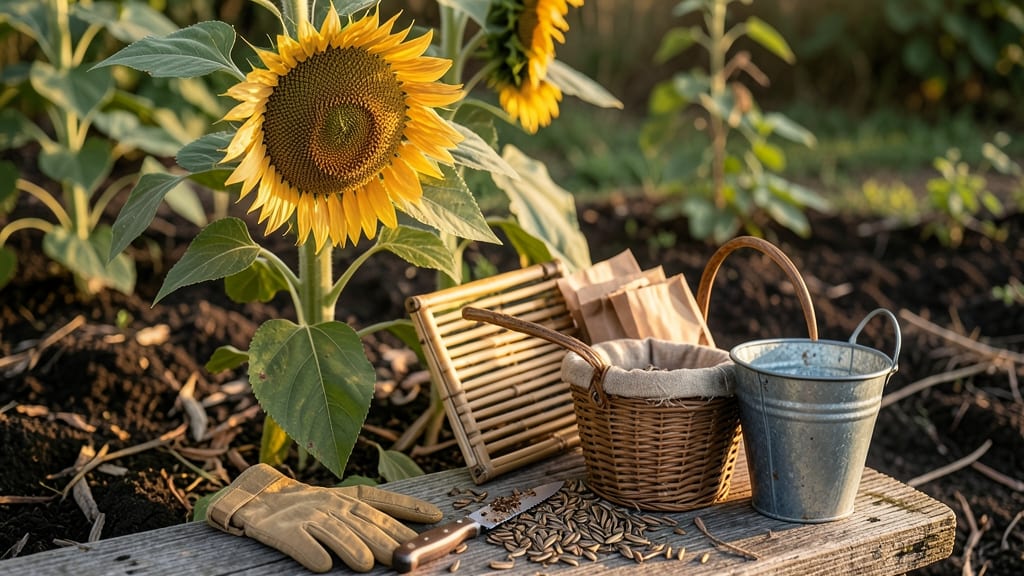
How are sunflowers harvested at the right moment transforms your garden into a treasure trove of seeds and blooms—if you know the secrets. That perfect timing isn't just about waiting for the 🌻 to droop; it's about checking the seed head's color, testing stem strength, and avoiding common pitfalls that ruin your hard work.
I've spent years growing sunflowers, and what I've learned will save you from wasted effort. Whether you're harvesting for fresh eating, bird feed, or oil production, the techniques I'm about to share make all the difference. Let's dive into how to get it right every time.
The key to a successful harvest lies in understanding when your sunflowers are truly ready. You'll discover the exact visual cues to look for—from seed head color changes to that telltale rattle—plus how to test stem strength without damaging your plants. These simple checks ensure you're harvesting at peak maturity.
From there, I'll walk you through the tools you'll need and the step-by-step process for cutting, drying, and storing your sunflowers. We'll cover everything from commercial-scale harvesting to small home gardens, so you can maximize your yield no matter your setup. Ready to turn your sunflowers into a bountiful harvest?
When to harvest sunflowers: the perfect timing for seed maturity & stem strength
Timing your sunflower harvest correctly ensures you get the most flavorful seeds and sturdiest stems for arrangements or drying. The key lies in watching for seed head color changes and stem maturity—two critical signs that often get overlooked by beginners.
Miss these cues, and you might end up with seeds that are either too green or too brittle to use effectively.
Most sunflower varieties take between 60 to 120 days to reach harvest readiness, depending on the type. Dwarf varieties like 'Teddy Bear' mature faster (50-60 days), while giant varieties like 'Russian Giant' can take up to 120 days.
Paying attention to these timelines helps you avoid the frustration of waiting too long or harvesting too soon.
Here’s the golden rule for perfect timing: Harvest when the back of the seed head turns yellow-brown and the petals begin to droop and fall off. This stage signals that the seeds inside are fully mature and ready for processing.
Skipping this step means risking seeds that are either underdeveloped or overripe and prone to falling out of the head.
Pro Tip: Shake the seed head gently over a white surface. If seeds rattling inside sound crisp and dry, it’s time to harvest. If they feel soft or mushy, wait another 3-5 days. This simple test saves hours of guesswork and ensures you’re ready at the perfect moment.
| Stage | Seed Head Color | Petal Condition | Stem Test | Action |
|---|---|---|---|---|
| Early Bloom | Green | Upright, vibrant | Firm, no hollow sound | Wait 4-6 weeks |
| Late Bloom | Yellow-brown | Drooping, falling | Hollow near base | Harvest now! |
| Overripe | Fully brown | Fallen off | Brittle, cracks easily | Seeds may drop |
Don’t overlook the stem strength test, which is just as important as seed color. Press your thumb firmly near the base of the stem. If it feels hollow and dry (like pressing a cardboard tube), the stem is ready for cutting.
A solid stem means the plant still has moisture and isn’t fully mature yet—wait another 2-3 days for optimal results.
Harvesting too early is a common mistake that leads to underdeveloped seeds with poor flavor and low oil content. These seeds won’t store well and may even sprout prematurely if stored improperly.
On the flip side, waiting too long risks seed loss as birds or wind scatter them before you can collect them.
For commercial growers, timing is everything—especially if you’re selling sunflowers for seed or oil production. The ideal harvest window is when 80-90% of seeds in the head are fully mature.
Use a seed moisture meter (10-12% moisture) for precision, but even home gardeners can achieve great results by sticking to the color and rattle tests.
Once you’ve confirmed the perfect timing, act quickly! Cut the sunflower stems with clean pruners or shears, leaving 6-12 inches of stem attached. This extra length makes drying and processing easier.
Hang the heads upside down in a dry, well-ventilated area (like a garage or shed) for 1-2 weeks to fully dry the seeds before storage.
Remember, every sunflower variety has slight variations in maturity. For example, 'Moulin Rouge' (a double-flowered variety) may take longer to dry, while 'Autumn Beauty' matures faster. Keep a garden journal to track your plants’ specific rhythms—this knowledge pays off in future harvests!
With these tips, you’ll never second-guess your sunflower harvest timing again. Whether you’re growing for seeds, bird feed, or decorative arrangements, mastering this skill ensures a bountiful and stress-free harvest every season. Happy gardening! 🌻
Step-by-step sunflower harvesting techniques for maximum yield
Now that you’ve mastered the perfect timing for harvesting, let’s dive into the step-by-step techniques that ensure you maximize your yield without wasting a single seed.
Whether you’re harvesting for fresh eating, bird feed, or seed saving, these methods will help you preserve every last seed in your sunflower heads.
First, gather your harvesting tools. You’ll need a sharp pair of pruning shears or a clean knife, a bucket or basket for collecting heads, and a glove to protect your hands from thorns.
For larger-scale harvesting, a harvesting sickle or even a pruning saw can make the job easier, especially for towering varieties like 'Russian Giant'.
- 1 Cut the stem: Use clean pruners or shears to cut the stem 6-12 inches below the seed head. This length ensures stability during drying and processing.
- 2 Remove petals: Gently strip off the wilted petals by hand or with a small knife. This prevents moisture retention and speeds up the drying process.
- 3 Hang to dry: Suspend the seed heads upside down in a well-ventilated, dry area like a garage, barn, or even under a covered porch. Avoid direct sunlight, which can cause cracking.
- 4 Dry for 1-2 weeks: Allow the heads to dry completely until the seeds rattle freely when shaken. Test by gently pressing a seed—it should feel hard and dry, not soft or moist.
- 5 Process the seeds: Once fully dry, rub the seed head over a clean sheet or bucket to remove seeds. For stubborn seeds, use a seed thresher or even a rolling pin.
- 6 Store properly: Keep seeds in an airtight container in a cool, dark place (like a pantry) for up to 6 months. For long-term storage, freeze them to preserve freshness.
If you’re harvesting for fresh eating, you can skip the drying process and simply roast the seeds in a 350°F oven for 10-15 minutes until golden brown.
For bird feed, leave the seeds in the heads until birds strip them clean—this is a great way to attract wildlife to your garden!
For commercial growers, consider using a mechanical thresher or combine harvester for large quantities. These tools speed up the process and reduce seed loss, but they require careful calibration to avoid damaging the seeds.
Always test a small batch first to ensure the machine isn’t crushing or breaking the seeds.
One critical tip: Avoid harvesting on rainy or humid days, as moisture can cause mold or spoilage. If you must harvest in damp conditions, dry the heads immediately under a fan or in a dehydrator set to 120°F for 2-3 hours to speed up the process.
With these techniques, you’ll transform your sunflower harvest into a bountiful yield of seeds, blooms, or even fresh snacks. Every step counts—from the cutting to the storing—so take your time and enjoy the process! 🌻