
Size
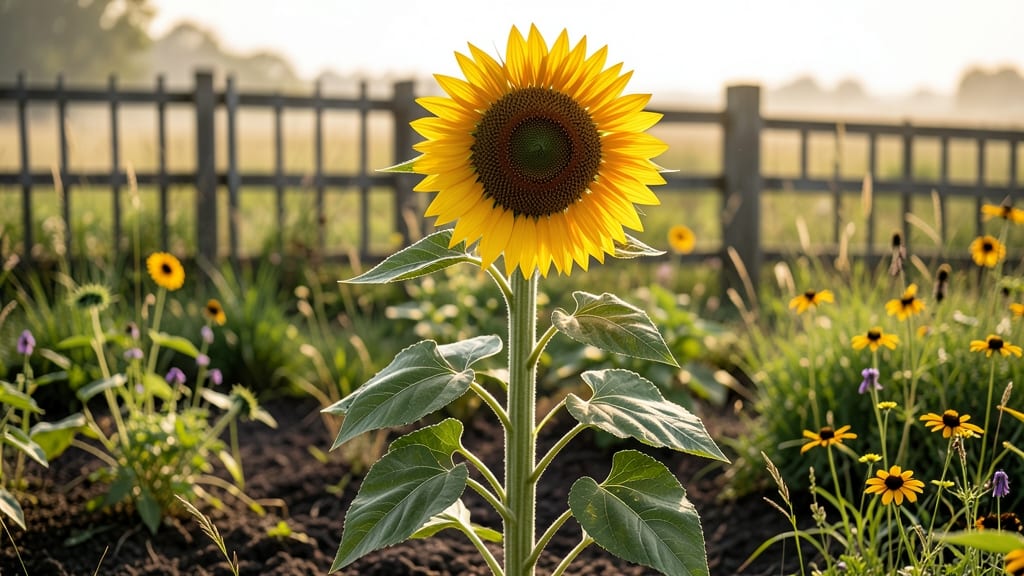
If you're dreaming of a sunflower so tall it could outshine your neighbor's two-story house, you'll want to know exactly how big Mammoth sunflowers get before planting. These giants of the garden can reach 12 to 16 feet—sometimes even taller—making them the ultimate statement piece for any landscape.
But their impressive height isn't the only thing to consider. Mammoth sunflowers 🌻 also develop thick, sturdy stems that spread 2 to 3 feet wide, demanding plenty of space and support. Without proper planning, these beauties can quickly outgrow their welcome, leaning dangerously or crowding out nearby plants.
The good news? With the right location and a few simple care tips, you can help them grow to their full potential while keeping your garden looking intentional. Whether you're a seasoned gardener or a first-timer, understanding their growth habits is the key to a show-stopping display.
Let's break down exactly what to expect from these towering plants—so you can give them the room and care they deserve to thrive.
Mammoth sunflower height & spread by variety: exact dimensions
Mammoth sunflowers are the superstars of the garden world, but their massive stature demands careful planning. These giants can reach heights that rival small trees, making them perfect for dramatic focal points—but only if you account for their space requirements and growth habits.
Whether you're dreaming of a sunflower towering over your fence or fitting them into a small urban garden, understanding their exact dimensions will save you from overcrowding or disappointment.
Not all Mammoth sunflowers are created equal. Some varieties grow 12 feet tall while others can stretch to 16 feet or more, with stalks as thick as your wrist. Their spread is also significant, often requiring 18-24 inches of space between plants to prevent competition.
Below, I’ve broken down the most popular varieties so you can pick the perfect fit for your garden’s layout and your climate’s growing conditions.
The Russian Giant variety is the undisputed champion of height, often reaching 16 feet or taller in ideal conditions. This makes it perfect for creating a dramatic backyard centerpiece, but it also means you’ll need to allocate serious space.
If your garden has limited room, the Autumn Beauty variety is a great compromise, typically maxing out around 12 feet while still delivering stunning blooms.
Spreading isn’t just about height—it’s also about how much horizontal space your sunflowers will occupy. Most Mammoth varieties need at least 18 inches of space between plants to prevent overcrowding.
If you’re growing them in rows, space them 24 inches apart for optimal airflow and to reduce the risk of fungal diseases. For smaller gardens, consider container growing, but be prepared for slightly shorter plants unless you use large, deep pots.
One often overlooked factor is stalk thickness. Thicker stalks (like those of the Giant Russian variety) are more wind-resistant and less likely to lodge (lean or fall over). However, even the thickest stalks may need support stakes in windy climates or if planted in loose, sandy soil.
I recommend using 3-inch-wide bamboo stakes buried 18 inches deep for added stability, especially if you’re in a region prone to storms.
Growth habits vary too. Some varieties, like Mammoth Single, produce a single, upright stem, while others may develop multiple stems from the base. This can affect how you plan your garden layout.
For example, if you’re growing Mammoth sunflowers near a fence, leave extra space for sideways growth if the variety tends to branch out. Always check the seed packet or plant description for specifics on growth habits before planting.
Climate plays a huge role in how big your Mammoth sunflowers will grow. In warmer climates (USDA Zones 8–10), these giants can reach their full potential, while in cooler zones (like Zone 6), they may max out at 10–12 feet.
If you’re in a shorter growing season, opt for early-maturing varieties or start seeds indoors to give them a head start. I’ve found that Russian Giant performs best in long, hot summers, while Autumn Beauty is more adaptable to shorter seasons.
For urban gardeners or those with limited space, don’t dismiss Mammoth sunflowers just yet. With container gardening, you can still grow these beauties—just expect slightly shorter heights (around 8–10 feet). Use 5-gallon
How to choose the right location for giant sunflowers
Selecting the perfect spot for your Mammoth sunflowers is the foundation of their success. These towering plants need more than just space—they require full sun exposure, deep soil, and protection from strong winds.
Without these, even the hardiest varieties can struggle to reach their 12- to 16-foot potential or may topple over before blooming.
Start by assessing your garden’s sunlight. Mammoth sunflowers demand at least 6-8 hours of direct sunlight daily, ideally in an open area where they won’t be shaded by trees or structures.
A south-facing location is ideal, as it captures the most sunlight throughout the day. Even partial shade can stunt growth or reduce flower size, so prioritize open, sun-drenched spaces.
Next, consider soil depth and quality. These giants need deep, well-draining soil to support their massive root systems. Amend heavy or clay soils with compost to improve drainage and aeration.
A soil test can reveal nutrient deficiencies, which should be addressed before planting to ensure robust growth from the start.
With heights reaching 12-16 feet and stems only 2-3 inches thick, these sunflowers are prone to lodging (falling over) in windy conditions. Plant them in sheltered spots or use stakes and ties for support. Avoid exposed areas like open fields or near tall structures that funnel wind.
Spacing is another critical factor. Give each plant 18-24 inches of space between stems to prevent overcrowding, which can lead to competition for nutrients and increased disease risk. If planting multiple rows, space them 3 feet apart to allow airflow and easier maintenance.
Overcrowding not only stunts growth but also makes it harder to stake or support taller varieties.
Wind resistance is often overlooked but crucial for Mammoth sunflowers. Even gentle breezes can cause these tall plants to sway, weakening their stems over time. If your garden is windy, consider planting them near a fence, trellis, or windbreak.
Alternatively, use bamboo stakes or cages inserted at planting to provide early support and reduce swaying.
Finally, think about accessibility and aesthetics. Place your Mammoth sunflowers where you can enjoy their dramatic height without obstructing pathways or views. A focal point near a patio or garden entrance ensures they’re both functional and visually stunning.
With the right location, these giants will thrive and become the centerpiece of your garden.