
Flowers
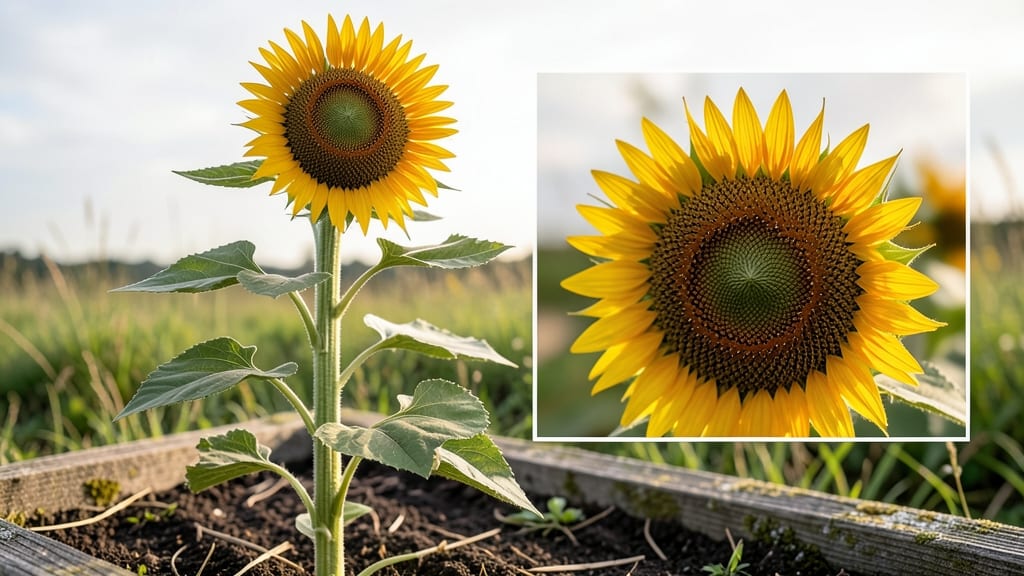
If you’ve ever planted a sunflower and wondered just how towering these cheerful faces can grow, you’re in for a surprise—some varieties stretch taller than a basketball hoop, while others stay compact enough for containers.
The size of your 🌻 sunflower isn’t just a matter of luck; it depends on the variety you choose, the care you provide, and even where you plant it.
From dwarf sunflowers that barely reach your knees to giants that dwarf two-story houses, the height range is staggering. Whether you’re dreaming of a dramatic garden focal point or a low-maintenance border, understanding these differences is the key to picking the perfect plant for your space.
Let’s break down what to expect—and how to help your sunflowers thrive.
Growing conditions play a huge role in how big your sunflowers get. Rich soil, plenty of sunlight, and proper spacing can push a sunflower toward its full potential, while poor conditions might stunt its growth.
I’ll share the secrets to maximizing height—or keeping it manageable—so you can enjoy sunflowers that fit your garden’s needs.
Ready to turn your garden into a sunflower wonderland? Whether you’re a first-time gardener or a seasoned pro, these insights will help you choose the right variety and care for it like a pro. Let’s get growing!
Sunflower height ranges by popular varieties: from dwarf to giant
Sunflowers aren’t just cheerful garden stars—they’re architectural giants, with some varieties stretching taller than a basketball hoop. But not all sunflowers reach skyward equally, and their growth depends on more than just genetics.
From compact dwarf varieties perfect for containers to towering giants that need wide-open spaces, understanding these height ranges helps you choose the perfect sunflower for your garden. Let’s explore the three main height categories and the popular varieties that define them.
If you’re planning your garden layout, knowing how big sunflowers get is essential. A 3-foot dwarf won’t compete for space with a 16-foot giant, and each variety has unique care requirements.
Whether you’re aiming for a whimsical border, a dramatic focal point, or a bird-friendly seed source, selecting the right height ensures your sunflowers thrive without crowding other plants.
Dwarf sunflowers (1–3 feet) are ideal for small gardens, containers, or urban spaces. Their manageable size makes them perfect for cut flowers or patio displays, while still attracting pollinators. On the opposite end, giant sunflowers (8–16 feet) are showstoppers that need ample space and sturdy support. Medium-height varieties (3–6 feet) strike a balance, offering versatility for borders, cut arrangements, or even small backyard focal points.
For dwarf sunflowers, varieties like Teddy Bear and Moulin Rouge are perfect for small spaces. These compact plants reach just 1–3 feet tall, making them ideal for container gardening or window boxes.
They thrive in well-draining soil and require minimal staking, though a light support may help in windy areas. Their smaller stature also means they’re easier to maintain and harvest, making them a favorite for beginners.
Medium-height sunflowers, such as Lemon Queen and Autumn Beauty, offer a balanced height of 3–6 feet. These varieties are versatile enough for garden borders or cut flower arrangements while still being manageable in most backyard settings.
They require slightly more spacing (24–30 inches) to ensure proper airflow and prevent disease, but their sturdy stems usually hold up well without additional support.
If you’re dreaming of garden giants, Mammoth and Russian Giant sunflowers will leave you in awe. These towering varieties can reach 8–16 feet, rivaling the height of a two-story house.
Plant them in wide-open spaces where they can spread their roots freely, and be prepared to provide sturdy stakes or cages to support their massive blooms. Their bold presence makes them perfect for rural gardens or large backyard focal points.
When selecting sunflowers, consider not just their height but also their growth habits. Some varieties, like Russian Giant, produce single, massive blooms that demand space, while others, like Autumn Beauty, offer multiple smaller flowers on a single stem.
This diversity allows you to mix and match varieties for a dynamic garden display, combining heights and colors for visual interest
Factors that influence sunflower height: soil, sunlight, and spacing
Sunflower height isn’t just about the variety you plant—your soil quality, sunlight exposure, and spacing strategy play starring roles. Even the tallest varieties like 'Mammoth' sunflowers (12-16 ft) can struggle to reach their potential in poor conditions.
Let’s break down how to optimize—or control—their growth for your garden’s needs.
Rich, well-draining soil packed with organic matter fuels rapid vertical growth. Sunflowers thrive in loamy soil with a pH between 6.0-7.5. Amend heavy clay or sandy soil with compost to create the ideal foundation.
I’ve seen 'Russian Giant' sunflowers grow 3 feet taller in amended soil compared to unamended plots.
🌱 Sunflower Height Quick Guide
| Factor | Impact on Height |
|---|---|
| Soil Quality | Poor soil = 30-50% shorter than potential |
| Sunlight | <6 hrs sun = stunted growth; 8+ hrs = maximum height |
| Spacing | Crowding = shorter, weaker stems; 18"+ spacing = taller, sturdier |
| Watering | Consistent moisture = 20% taller than drought-stressed plants |
💡 Pro Tip: For dwarf varieties (1-3 ft), use containers to limit root space and encourage bushier growth.
Sunlight is non-negotiable—sunflowers need 6-8+ hours of direct sun daily to reach their full height. I’ve watched 'Autumn Beauty' sunflowers (6-8 ft) grow only 3 feet tall when planted in partial shade. Even tall varieties like 'American Giant' (10-12 ft) will lean or produce smaller blooms with insufficient light.
Proper spacing prevents competition for nutrients and sunlight. Plant dwarf varieties (1-3 ft) 12-18 inches apart, while giant varieties need 24-36 inches between plants. Overcrowding forces sunflowers to compete, resulting in shorter, weaker stems that may snap in wind or rain.
Watering techniques also impact height. Deep, consistent watering (1-2 inches per week) encourages strong root development, while shallow, frequent watering leads to leggy, weak stems. I’ve found that mulching around the base retains moisture and reduces stress, helping sunflowers reach their genetic height potential.
To control height in small gardens, try these tricks: prune young plants to encourage bushier growth, use container gardening with limited root space, or choose dwarf or semi-dwarf varieties.
For maximum height, focus on nutrient-rich soil, full sun exposure, and proper spacing—your sunflowers will thank you with towering stems and vibrant blooms! 🌻