
Blooming
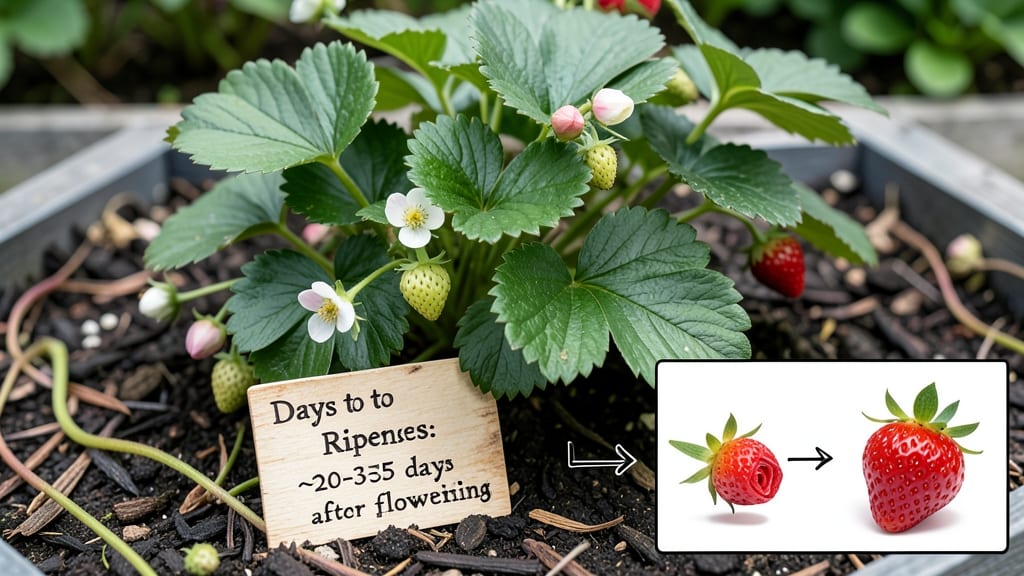
If you're eagerly waiting to know how long do strawberries take to grow after flowering, you're not alone—patience is key, but timing matters even more.
From the moment those blossoms open, it typically takes 4 to 6 weeks for your strawberries to reach peak ripeness, though a few factors can speed up or slow down the process.
Understanding this timeline helps you plan ahead, whether you're tracking your garden's progress or troubleshooting why your berries aren't maturing as expected. The journey from flower to fruit involves critical stages—like fruit set and color change—that reveal whether your plants are thriving or struggling.
But here’s the catch: not every flower guarantees a berry, and environmental factors like temperature or pollination can throw off your schedule.
I’ll break down the week-by-week growth cycle, plus pro tips to ensure your strawberries ripen faster and more reliably—so you can enjoy that first sweet bite sooner than you think.
Ready to turn those blooms into a harvest? Let’s dive into what happens after flowering and how you can give your strawberries the best shot at success.


Strawberry growth timeline after flowering: week-by-week breakdown
Once your strawberry plants bloom, the real magic happens—but the wait for ripe fruit can feel endless if you don’t know what to expect. On average, strawberries take 4–6 weeks from flowering to harvest, though this timeline shifts based on variety, climate, and care.
Understanding each stage helps you track progress and troubleshoot delays before they become problems.
Not all flowers produce fruit—some may drop off due to poor pollination or stress. Focus on the fruit set stage (when tiny green berries form) as your starting point. From there, growth accelerates with proper conditions, culminating in that deep red color and sweet flavor we all crave.
Let’s break down what happens each week and how to optimize your crop.
Week 1 kicks off with fruit set, where pollinated flowers transform into pea-sized green berries. This stage is critical—if berries drop, it’s often due to poor pollination (common in greenhouses) or temperature stress (below 50°F or above 90°F).
To help, gently shake plants to encourage bee activity or use a soft paintbrush to transfer pollen manually.
By Week 2, your strawberries enter their rapid enlargement phase, growing from a marble to a cherry size. This is when consistent moisture and nutrients matter most.
Overwatering causes splitting, while drought stunts growth. Aim for 1–1.5 inches of water per week, delivered at the soil level to avoid fungal diseases like gray mold.
Weeks 3–4 bring the most visible change as berries shift from green to pink or red hues. This color development signals sugar accumulation, but it’s also when strawberries become vulnerable to bird damage and sun scorch.
Protect them with lightweight row covers or shade cloth during extreme heat, and harvest promptly once fully colored.
In Weeks 5–6, your strawberries reach peak ripeness—deep red, fragrant, and ready to harvest. The key now is timing: pick berries when they’re fully colored but still firm.
Overripe strawberries bruise easily and attract pests. For everbearing varieties, like 'Albion' or 'Seascape,' this timeline may repeat 2–3 times per season, while June-bearing types produce one massive harvest.
Environmental factors can speed up or delay this timeline. Warmer climates (Zones 8–10) may see ripening in just 3–4 weeks, while cooler regions (Zones 3–5) could stretch it to 7–8 weeks. Container-grown strawberries often ripen faster due to warmer root zones, but they also dry out quicker—monitor soil moisture daily.
Pro tip: Track your strawberries’ progress with a growth journal. Note the date of flowering, fruit set, and harvest to refine your approach for next year.
For example, if your plants consistently take 7 weeks to ripen, adjust planting dates to avoid late-season frosts or heatwaves that can ruin your crop.
Remember, not all flowers will set fruit—some may abort due to nutrient competition or overcrowding. Thin out excess berries to 2–3 per stem to ensure larger, sweeter fruit. With the right care, your patience will pay off with a bountiful harvest of juicy, homegrown strawberries.
Why your strawberries aren’t ripening on schedule (and how to fix it)
Strawberries typically take 4–6 weeks to ripen after flowering, but delays happen—especially when pests, weather, or poor care interfere. If your berries are staying small, pale, or never turning red, don’t panic. Most issues have simple fixes, and understanding the root cause can save your crop.
First, check if your strawberries are even setting fruit. Not all flowers develop berries—some varieties like June-bearing types produce fewer fruit compared to everbearing or day-neutral types.
If you see blooms but no fruit, pollination might be the culprit. Bees love strawberries, but indoor gardens or cool weather can limit their visits.
🚨 callout-warning 🚨
⏰ How Long Do Strawberries Take to Grow After Flowering?
Under ideal conditions, strawberries ripen in 4–6 weeks post-flowering. However, delays beyond 8 weeks often signal problems like:
- 🌡️ Temperature stress (below 55°F or above 90°F)
- 🐜 Pest damage (slugs, birds, or spider mites)
- 💧 Over/under-watering (affects nutrient uptake)
- 🌱 Nutrient deficiencies (lack of phosphorus or potassium)
💡 Action: Inspect plants weekly for signs of stress or pests.
Temperature extremes are a top offender. Strawberries thrive in 60–80°F during fruiting. If nights dip below 50°F, growth slows dramatically. Heatwaves above 90°F can cause berries to split or turn bland. Shade cloth (30–50%) can help in hot climates, while row covers protect against late frosts.
Nutrient deficiencies often masquerade as slow ripening. Strawberries need phosphorus (P) for root development and potassium (K) for fruit sweetness. Yellow leaves with purple stems? That’s a classic phosphorus deficiency. Feed with a 10-10-10 fertilizer when flowers appear, but avoid nitrogen-heavy mixes—they boost leaves, not fruit.
Pests and diseases can derail ripening faster than you think. Slugs and birds love young berries, while powdery mildew (white powder on leaves) weakens plants. Set up beer traps for slugs, use netting for birds, and spray neem oil preventatively.
If you spot black spots on leaves, prune infected foliage immediately to redirect energy to fruit.
Finally, overcrowded plants compete for resources, stunting berry size. Thin out runners in June-bearing varieties to focus energy on existing fruit. For everbearing types, remove the first flush of flowers if your goal is larger berries—this trick forces the plant to produce fewer but bigger fruits later in the season.