
How To
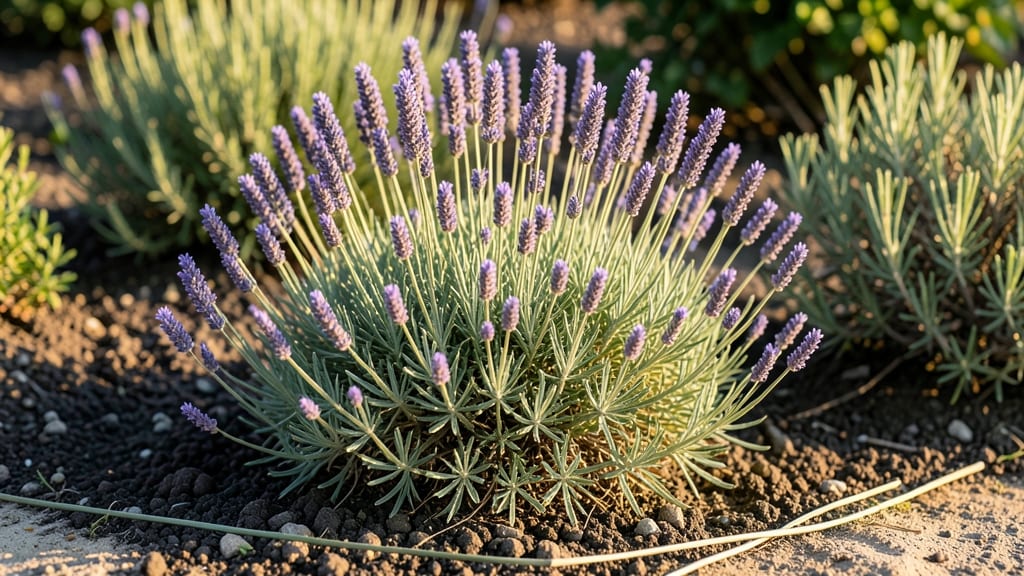
Wondering how long it takes for lavender to flower? If you planted in spring, you might be surprised to learn that patience is key—especially since some varieties take up to two years to reach their full flowering potential.
While young lavender plants often focus on root and stem growth in their first year, mature bushes typically bloom between June and August in USDA Zone 6a. But here’s the catch: factors like sunlight, soil, and even pruning can shift that timeline dramatically.
Let’s break down exactly what to expect and how to coax those flowers along faster.
You’ll discover the realistic blooming windows for popular varieties, plus the 5 critical mistakes that delay flowers—and how to avoid them. Whether you’re growing English lavender for its height or Spanish lavender for its hardiness, knowing these secrets will transform your garden’s timing game.
Ready to turn your lavender patch into a fragrant paradise? Let’s dive into the exact months you can expect blooms, plus pro tips to encourage earlier (and more abundant) flowers—no guesswork required.
Lavender flowering timeline by popular variety (with exact months)
If you planted lavender expecting fragrant purple spikes within months, you might be surprised—most varieties take 1-2 years to reach peak flowering. The timeline varies dramatically by type, with English lavender blooming earliest and Spanish lavender often waiting until year two.
Understanding these differences helps you set realistic expectations and adjust care for faster blooms.
Climate plays a huge role too. In USDA Zone 7-9, lavender typically flowers from June to August, while cooler zones like Zone 5 may see blooms delayed until July or even September.
Even within the same region, French lavender might bloom a month earlier than Grosso lavender. Let’s break down the exact months for each popular variety so you know what to expect.
| Variety | First-Year Blooms | Mature Bloom Months (Zone 7-9) | Notes |
|---|---|---|---|
| English Lavender (Lavandula angustifolia) | Minimal (small buds) | June–July | Fastest bloomer; prefers cooler climates |
| French Lavender (Lavandula dentata) | None (focuses on foliage) | July–August | Heat-loving; blooms later but longer |
| Spanish Lavender (Lavandula stoechas) | None | June–July (earlier in warm zones) | Unique "rabbit ear" blooms; drought-tolerant |
| Grosso Lavender (Lavandula x intermedia) | None | July–August (longest blooms) | Hybrid; largest flowers; needs winter protection |
Notice how English lavender often produces a few small buds in its first year, while French and Spanish varieties focus entirely on foliage growth before flowering.
This is why Grosso lavender, a hybrid, can be the most rewarding for gardeners in Zone 8+—it blooms later but produces longer, denser spikes that last into early fall.
If you’re in a cooler climate (Zone 5-6), expect blooms to shift 2-4 weeks later. For example, English lavender in Zone 5 might not bloom until late July instead of June.
The key is to plant in full sun and avoid overwatering, as soggy soil delays flowering by weeks.
One common misconception is that lavender flowers only once per year. While most varieties bloom once annually, Grosso lavender can produce a second, lighter flush in fall if pruned correctly.
To encourage this, cut back stems by half after the first bloom—this trick works best in warmer zones (Zone 7+).
For container-grown lavender, flowering times can be 1-2 weeks earlier because pots warm up faster in spring. However, containers dry out quicker, so use well-draining soil with perlite and water only when the top 2 inches are dry.
This small adjustment can push blooms forward by 10-14 days.
Pruning plays a surprising role in timing. If you don’t prune after flowering, your lavender may produce fewer blooms the next year because energy goes into seed production. Instead, trim 1/3 of the plant in late summer to encourage stronger stems and earlier blooms the following season.
This is especially critical for Spanish lavender, which needs regular pruning to maintain its compact shape.
Finally, soil pH affects flowering time. Lavender thrives in neutral to slightly alkaline soil (pH 6.5–7.5). If your soil is too acidic (pH below 6.0), blooms may be delayed by 3-4 weeks or produce smaller flowers.
Test your soil and amend with lime if needed—this simple step can make a huge difference
5 Critical factors that speed up or delay lavender blooms
Lavender’s blooming timeline isn’t set in stone—it’s directly influenced by five key factors that gardeners can control.
From sunlight exposure to pruning techniques, each plays a pivotal role in whether your lavender will burst into fragrant purple blooms in one year or linger in a vegetative state for two years or more. Let’s explore how to optimize these factors for faster, more abundant flowers.
First, sunlight exposure is non-negotiable. Lavender thrives in full sun (6+ hours daily), but even an hour less can delay blooming by several weeks. If your garden lacks direct sunlight, consider growing lavender in containers and moving them to sunnier spots during peak daylight hours.
This simple adjustment can double your blooming potential in just one season.
Soil pH is another game-changer. Lavender prefers alkaline soil (pH 6.5–7.5), and even a slightly acidic soil can stunt growth and delay flowers. Test your soil’s pH and amend it with crushed limestone or wood ash if needed.
A well-balanced pH ensures your lavender isn’t wasting energy struggling to absorb nutrients, allowing it to focus on flower production instead.
- Sunlight Exposure: 6+ hours of full sun daily speeds up blooming by 30–50%. Shade delays flowers by 1–2 years.
- Soil pH: Ideal 6.5–7.5 (alkaline). Acidic soil (pH <6) stunts growth and delays blooms by up to 6 months.
- Watering Habits: Deep watering weekly (not daily) prevents root rot and encourages faster maturation. Overwatering delays blooms by 1–2 years.
- Pruning Techniques: Prune after flowering (late summer) to promote new growth and next year’s blooms. Pruning at wrong times can halt flowering entirely.
- Winter Hardiness: Protect young lavender from harsh winters (Zone 5 and below) with mulch. Cold damage delays blooming by 6–12 months.
Watering habits often trip up new lavender growers. While lavender is drought-tolerant, consistent deep watering (every 7–10 days) ensures steady growth. Avoid shallow, frequent watering, which leads to root rot and stunted blooming.
Instead, water deeply in the morning to encourage strong root development—this is the secret to faster flowering.
Pruning is where many gardeners go wrong. Timing is everything: Prune lavender right after it finishes blooming (late summer) to encourage new growth for next year’s flowers. If you prune in spring or fall, you risk removing next year’s flower buds entirely.
A sharp pair of shears and a light trim (never more than 1/3 of the plant) keeps lavender healthy and blooming on schedule.
Finally, winter hardiness can’t be overlooked. Young lavender plants are particularly vulnerable to freezing temperatures, which can delay blooming by up to a year. In colder climates (USDA Zones 5 and below), mulch heavily around the base of your plants and consider winter protection like burlap wraps.
This small effort ensures your lavender emerges strong and ready to bloom in spring or early summer.