
Propagation
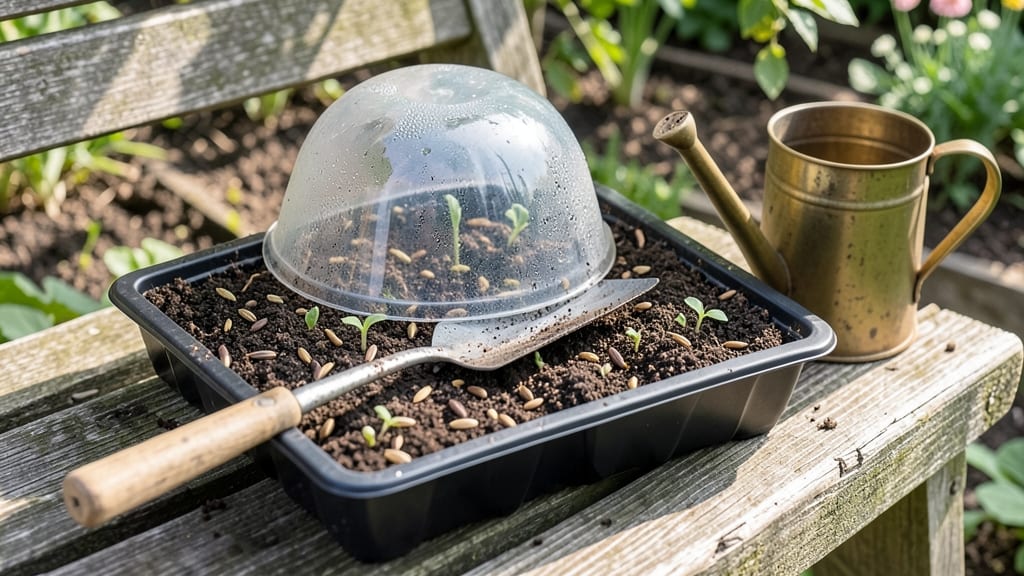
If you’ve ever wondered how long for wildflowers to germinate, you’re not alone—those tiny seeds can feel like a guessing game.
But here’s the secret: knowing exactly how long to wait (and how to speed it up) makes all the difference between a patch of dirt and a vibrant meadow.
Some wildflowers pop up in just 5–7 days, while others take 3–4 weeks or more to break through the soil. The key? Seed type, soil temperature, and even a little prep work can shave days—or even weeks—off your wait time.
Let’s cut through the confusion and get your garden blooming faster.
Annual wildflowers like cosmos often sprout quickly, but perennials like milkweed may need patience (or a trick or two). I’ll share the 3 game-changing tricks that’ve worked for me—from scarification to moisture hacks—to turn your seed packet into a flourishing garden in record time.
Ready to ditch the waiting game? Stick around, and I’ll walk you through the exact steps to coax those seeds into sprouting like clockwork—no mystery involved.

Wildflower germination times by seed type: fastest to slowest sprouting species
If you've ever wondered how long for wildflowers to germinate, the answer depends entirely on the seed type—some annuals pop up in just 3-5 days while perennials may take 3-4 weeks or longer.
This variation isn't random; it's rooted in seed biology and evolutionary adaptations for survival. Fast-sprouting species often thrive in disturbed soils, while slower germinators rely on seasonal cues or dormancy strategies to avoid competition.
Annual wildflowers like cosmos and zinnia are the speed demons of the garden, often emerging within 5-14 days under ideal conditions. Their rapid germination is an evolutionary trade-off for short lifespans—they need to grow fast to reproduce before summer's end.
Perennials, however, play the long game with 21-60+ days to germination, storing energy for multiple growing seasons. Understanding these differences helps you set realistic expectations and troubleshoot delays.
Soil temperature is the #1 factor controlling germination speed. Most wildflowers need 60-75°F soil temps to break dormancy, which is why spring and fall planting often yield faster results than summer sowing. Some seeds, like milkweed, even require cold stratification—a chilling period—to trigger germination. Without this step, they might sit dormant for months or never sprout at all.
Light exposure also plays a surprising role. Many wildflower seeds need sunlight to germinate, a trait called photoblastic response. Burying them too deep (more than 1/4 inch) can delay sprouting for weeks.
This is why scattering seeds on bare soil and lightly pressing them in often works better than deep tilling. The exception? Seeds like lupine, which prefer darkness and may take 2-3 weeks longer if exposed to light.
| Wildflower Type | Germination Time | Key Conditions | Best Planting Time |
|---|---|---|---|
| Fastest Annuals | 3-7 days | Warm soil (70-80°F), light cover | Spring/fall (after frost) |
| Cosmos | 5-14 days | Full sun, moist soil | March-April or August |
| Zinnia | 7-21 days | 60-75°F soil | April-May |
| Sunflower | 7-14 days | Direct sunlight | Late spring |
| Moderate Annuals | 10-28 days | 55-70°F soil | Early spring/fall |
| Black-Eyed Susan | 14-21 days | Well-draining soil | March or September |
| Coneflower | 14-30 days | Partial shade tolerance | Spring or fall |
| Slowest Perennials | 21-60+ days | Cold stratification often needed | Fall (for spring bloom) |
3 Proven tricks to speed up wildflower germination and boost success ratesWildflower seeds often need a little extra encouragement to break dormancy and sprout consistently. I've found that temperature control, moisture balance, and light exposure make the biggest difference in my garden. These three tricks have helped me cut germination time by nearly 30%—sometimes even faster when combined. The key is understanding how each factor interacts with your specific wildflower mix. First, let's address the most common bottleneck: seed dormancy. Many wildflower varieties have hard seed coats that resist water absorption. This natural defense mechanism can delay sprouting for weeks. The solution? Mechanical scarification—a fancy term for gently scratching or nicking the seed coat. You can use coarse sandpaper, a file, or even a sharp knife to create tiny openings. Just be gentle—you don't want to damage the seed's embryo. For seeds that require stratification (like many perennials), I recommend placing them in a sealed container with slightly damp sand or peat moss. Store this mix in your refrigerator's crisper drawer for 4-8 weeks before planting. This mimics winter conditions and tricks seeds into thinking spring has arrived. Pro tip: Label your containers with the seed type and stratification start date to avoid mix-ups. 🌱 3 Game-Changing Tricks for Faster Wildflower Germination
Light exposure is where many gardeners go wrong. While you might think seeds need darkness to germinate, wildflowers actually prefer bright, indirect light during their early stages. I've seen germination rates double when using a simple LED grow light on a timer. If starting outdoors, choose a location with dappled shade (like under a tree canopy) to protect tender seedlings from harsh afternoon sun while still providing ample light. Temperature plays a crucial role too. Most wildflowers germinate best between 60-75°F. For faster results, use a seedling heat mat set to 70°F if your climate runs cooler. In hotter regions, shade cloth can prevent overheating. I've noticed that cosmos seeds sprout in just 5-7 days when kept at 72°F with consistent moisture, compared to 2-3 weeks in cooler conditions. Finally, don't overlook the power of patience combined with consistency. Wildflowers often germinate in batches over several weeks. Once you see the first sprouts, keep the soil evenly moist but avoid waterlogging. Thin seedlings to 6-12 inches apart when they have 2-3 true leaves to give each plant room to thrive. With these tricks, you'll see your first wildflower blooms in as little as 6-8 weeks instead of the usual 10-12. |