
Plants
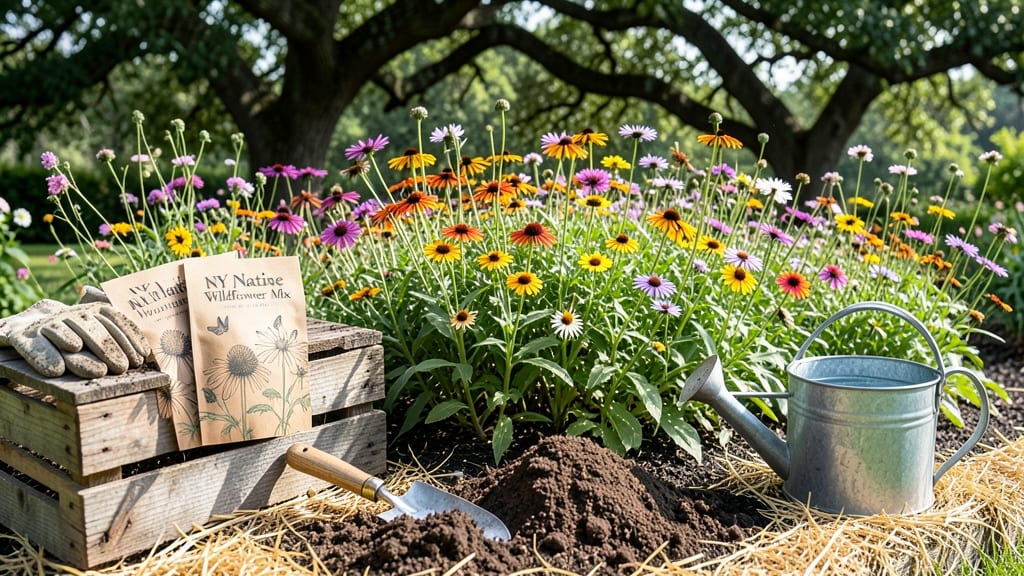
Planting wildflower seeds in New York at the wrong time can mean the difference between a vibrant meadow and wasted effort—especially when frost dates vary from late April in NYC to late May in Buffalo.
The key is timing: scatter your seeds in early spring (March-May) or early fall (September-October) to give them the best shot at thriving through summer blooms.
Why does timing matter so much? Wildflowers like 🌼 native species need consistent moisture and warmth to germinate, but planting too early risks frost damage, while waiting too long can leave them struggling in summer heat.
Whether you're in Upstate's cooler zones or Long Island's milder climate, I’ll break down the exact months that work best for your region.
You don’t need a green thumb to succeed—just a little preparation. We’ll cover soil prep, seed selection, and how to avoid common mistakes that even experienced gardeners make. By the end, you’ll know exactly when to plant for maximum blooms and how to keep your wildflowers flourishing all season long.
Ready to transform your yard into a pollinator paradise? Let’s get started with the NY-specific schedule that’ll have your wildflowers blooming like clockwork.
NY wildflower planting calendar by region: best months for spring and fall blooms
New York’s three distinct regions—Upstate’s cool climates, NYC’s urban microclimates, and Long Island’s coastal moderation—each demand different planting windows for wildflower success. Timing your seeds right means avoiding late frosts in the Hudson Valley or summer droughts on Long Island’s sandy soils.
Let’s break down the ideal months for each region to ensure vibrant blooms from spring through fall.
Spring planting in Upstate NY (USDA zones 5a-6a) starts as early as late March for hardy annuals like black-eyed Susans and coreopsis, but wait until mid-April for perennials such as coneflowers and bee balm.
NYC’s warmer microclimates (zones 6b-7a) allow planting from early April, while Long Island’s coastal zone 7b can start as early as February for drought-tolerant varieties like purple prairie clover.
Fall planting is equally critical, with Upstate NY favoring September for seeds to establish roots before winter, while NYC and Long Island can extend planting until early October.
This timing ensures seedlings aren’t stressed by first frosts, which hit Upstate by late September but linger into mid-October near the coast.
Annual wildflowers like cosmos and zinnia thrive when planted in late spring (May), while perennials such as black-eyed Susans and goldenrod benefit from fall planting for deeper root establishment. Mixing both strategies creates year-round color in your garden.
For Upstate NY, focus on native perennials that thrive in well-draining soil.
Regions like the Adirondacks and Catskills benefit from early spring planting (late March) of wild bergamot and New England aster, which handle cooler temperatures better than southern varieties. NYC’s urban gardens often face compacted soil, so mix in compost before planting annuals like sunflowers or marigolds in April.
Long Island’s coastal climate allows for earlier planting of drought-resistant species such as seaside goldenrod or beach heather.
These varieties handle salty winds and sandy soil better than inland wildflowers. Fall planting here can extend into early November if mild weather persists, giving seeds extra time to germinate before winter.
Pro tip: Stratify seeds for fall planting by mixing them with moist sand and refrigerating for 4-6 weeks before sowing. This mimics natural winter conditions and boosts germination rates for Upstate perennials.
For NYC and Long Island, lightly mulch after planting to retain moisture in urban heat or coastal breezes.
Remember, annuals provide instant color but require replanting yearly, while perennials offer long-term beauty with less maintenance. Mixing both in your wildflower meadow ensures continuous blooms from May through October, supporting local pollinators year-round.
Start small with a 10x10 foot patch to test your region’s best varieties. Track which seeds thrive in your microclimate, and expand next year for a full meadow effect. Happy planting! 🌼
How to time wildflower planting for maximum NY blooms: soil prep and seed selection
New York’s variable soil types and unpredictable weather demand smart planning before planting wildflower seeds. Upstate’s clay-heavy soils retain moisture differently than Long Island’s sandy coastal mixes, and choosing the wrong seeds can mean sparse blooms.
The key? Preparing soil 4-6 weeks before planting and selecting native varieties that thrive in your specific region’s conditions.
For spring planting (March-May), focus on early bloomers like black-eyed Susan and coreopsis, which tolerate cooler soils. Fall planting (September-October) lets seeds establish roots before winter—ideal for goldenrod and aster.
But timing isn’t just about months; it’s about soil temperature (at least 50°F for 7+ days) and moisture levels.
NY’s regional microclimates change seed viability. For example, Upstate’s cooler zones (5a-6a) benefit from fall planting in early September, while Long Island’s warmer zones (7a-7b) can handle late spring planting until mid-May.
Always check Cornell’s frost maps for your exact location—last frost dates vary by 1-2 weeks even within the same county.
After planting, mulch lightly with straw to retain moisture without smothering seeds. Avoid synthetic mulches—they can overheat soils in NYC’s urban heat islands. Once established, wildflowers need minimal watering (just 1 inch per week), but first-year plants may require weekly deep watering during droughts, common in July-August.
Pro tip: Mix seed sizes for a continuous bloom season. Plant early bloomers (March-April), mid-season (May-June), and late-season (July-August) varieties together. This ensures pollinators have food year-round and your meadow stays vibrant from spring to fall.
Remember, patience is key. Some wildflowers, like coneflowers, take 2 years to reach full bloom. But with the right soil prep and seed selection, your NY meadow will reward you with years of color and pollinator support. 🌼🌿💧