
Flowers
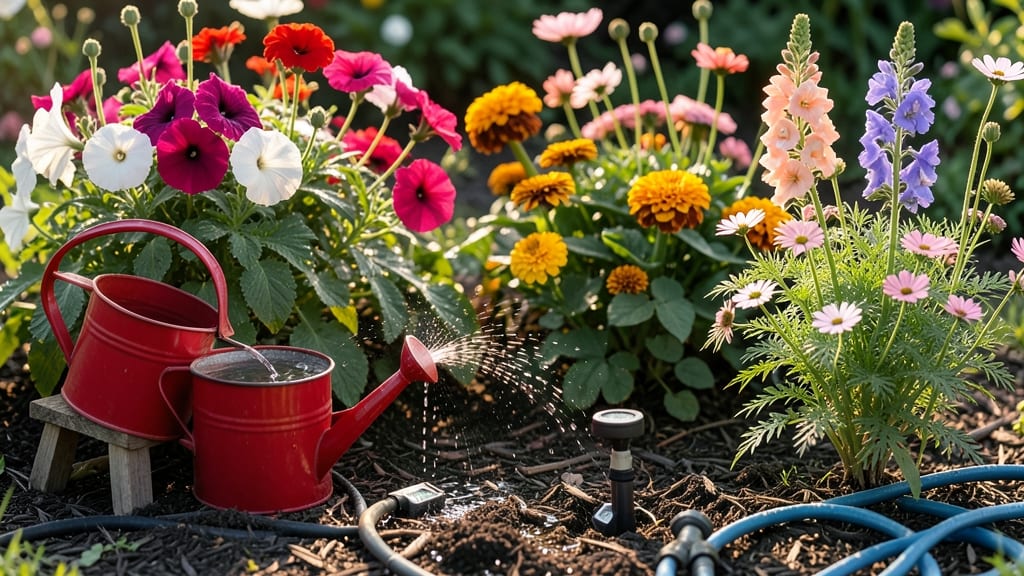
Seasonal watering requirements for common flowers (with exact guidelines)
Watering your flowers correctly is the key to a thriving garden, but seasonal changes and plant types drastically alter their needs. In summer, thirsty varieties like hydrangeas may need daily watering, while succulents can survive on monthly moisture. Understanding these differences ensures your blooms stay vibrant—not wilted or drowned.
Most gardeners overestimate how much water flowers need, leading to root rot or stunted growth. The trick is checking soil moisture at the root level—stick your finger 2 inches deep.
If it’s dry, water; if damp, wait. Environmental factors like humidity and temperature also play a role, especially in hot climates where evaporation speeds up.
Spring is all about establishing roots, so aim for 1-1.5 inches of water weekly. Summer demands deep, frequent watering (1-2 inches every 2-3 days), while fall tapers off to bi-weekly sessions. Winter is minimal—just enough to prevent soil from freezing solid.
| Plant Type | Spring Watering | Summer Watering | Fall Watering | Winter Watering | Notes |
|---|---|---|---|---|---|
| Roses | 1.5" weekly | 2" every 2 days | 1" bi-weekly | Monthly light water | Needs mulch to retain moisture |
| Hydrangeas | 1.5" weekly | 2" daily (morning) | 1" every 10 days | None (dormant) | Loves moisture; avoid soggy soil |
| Succulents | 0.5" every 2 weeks | 1" monthly | 0.25" every 4 weeks | None (dry soil) | Drought-tolerant; overwatering kills |
| Petunias | 1" every 3 days | 1.5" daily | 0.75" weekly | None (annuals) | Needs even moisture for blooms |
| Lavender | 0.5" weekly | 1" every 5 days | 0.25" bi-weekly | None (dry soil) | Hates wet roots; well-draining soil |
For thirsty flowers like hydrangeas and roses, focus on deep watering early in the day to reduce evaporation and fungal risks. Use a moisture meter or the finger test to avoid guesswork—stick your finger 2 inches deep; if dry, water until moisture reaches 6 inches down.
In humid climates, reduce watering slightly to prevent fungal diseases like powdery mildew
Signs your flowers are overwatered or underwatered (and how to fix it)
Flowers are delicate—too much or too little water can quickly turn vibrant blooms into a sad, drooping mess. Overwatering and underwatering both cause stress, but the symptoms look different.
Learning to read your plants helps you adjust care before damage sets in. For example, petunias wilt dramatically when thirsty, while lavender turns yellow when overwatered.
Start by checking the soil. Stick your finger 1-2 inches deep—if it’s damp, hold off on watering. If dry, it’s time to hydrate. Mulch helps regulate moisture, but even with mulch, some flowers like roses need consistent watering, while succulents prefer bone-dry soil.
The key is understanding your plant’s unique needs.
⚠️ How Much Water Do Flowers Need?
General rule: Most flowers need 1-2 inches of water per week, but adjust for climate. Morning watering (before 10 AM) reduces evaporation and fungal risks. Drought-tolerant flowers (like lavender) need less, while thirsty blooms (like hydrangeas) crave more.
Test soil moisture: Press your finger into the soil—if it feels dry at 1 inch, water deeply. If soggy, wait 2-3 days. Container plants dry out faster and may need daily checks in hot weather.
Yellowing leaves are a classic sign of overwatering. If your geraniums or impatiens develop yellow patches, especially on lower leaves, root rot may be setting in. Mushy stems or a foul smell from the soil confirm the problem.
To fix it, stop watering immediately, let the soil dry out completely, and repot if roots are black and mushy.
Wilting flowers often signal underwatering, but don’t rush to water—some plants wilt naturally in the heat. Petunias and marigolds droop dramatically when thirsty, while lavender may curl its leaves.
Press the soil: if it’s bone-dry, give a deep watering. For container-grown flowers, soak the pot until water runs out the drainage holes.
Brown, crispy edges on leaves? That’s usually underwatering, but it can also mean too much sun. Zinnias and dahlias often show this symptom when stressed. Increase watering frequency slightly and mulch to retain moisture.
For indoor flowers, like African violets, use a humidity tray or pebble tray to mimic their natural environment.
For outdoor flowers, adjust your watering schedule by season. In summer, water deeply every 2-3 days, while in winter, cut back to once a month. Always water at the base of the plant to avoid wetting leaves, which can cause fungal diseases like powdery mildew.
Use a soaker hose or drip irrigation for even moisture distribution.
Remember, every flower is different. Succulents and cacti need almost no water, while hydrangeas and hostas thrive with consistent moisture. Pay attention to your plants’ behavior, and don’t be afraid to adjust your routine. A little trial and error goes a long way in keeping your garden blooming beautifully! 🌸