
Flowers
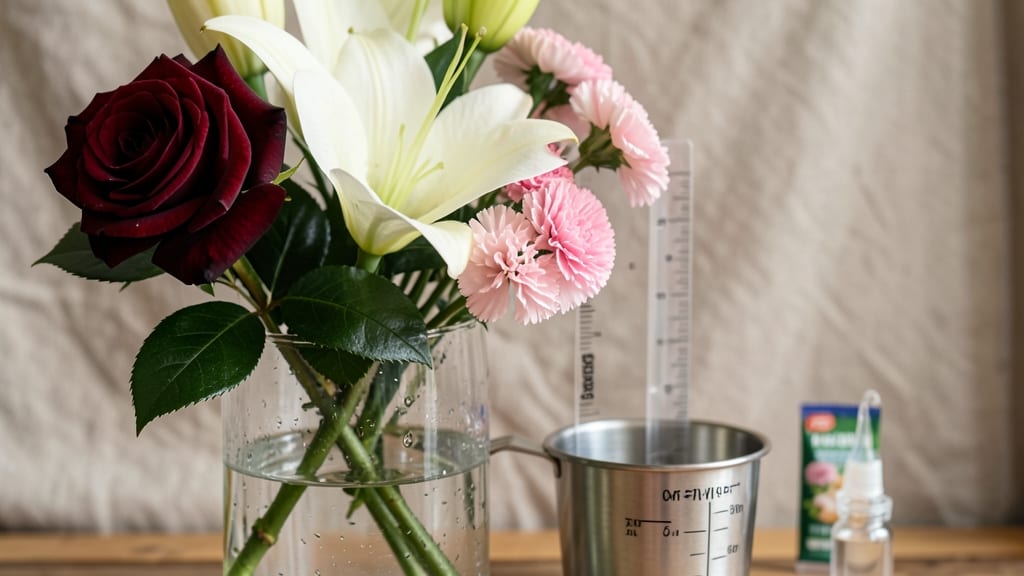
There’s nothing worse than watching your gorgeous 🌸 cut flowers wilt within days—only to realize you were overfilling (or underfilling) the vase with how much water in vase for flowers.
The right amount isn’t just about adding liquid; it’s about creating the perfect hydration balance to keep stems hydrated without inviting bacteria.
Most florists swear by the 1/3 rule: fill your vase only one-third full of water. This might sound counterintuitive, but it actually works—especially for stems that need room to drink without drowning.
Too much water? Bacteria thrives. Too little? Stems starve. Let’s break down the exact ratios for different flower types so your bouquet stays vibrant for days longer.
You’ll also discover why room temperature water works best, how to trim stems like a pro, and when to refresh the water (hint: it’s not as often as you think). These small tweaks make a huge difference—whether you’re arranging garden-picked blooms or store-bought stems.
Ready to transform your vase setup? By the end, you’ll know exactly how much water to use, plus bonus tricks to outlast wilting. Let’s get started!
The perfect water-to-flower ratio for different bloom types
Cutting flowers from your garden or buying a bouquet is exciting, but the real magic happens in the vase. The water-to-flower ratio determines how long those blooms stay vibrant. Too little water and stems wilt; too much creates bacterial slime.
The 1/3 rule—filling the vase only one-third full—is your starting point, but different flowers need different hydration strategies.
Stem thickness and flower type directly impact absorption rates. Thick-stemmed roses drink more than delicate lilies, while heavy-headed peonies may need extra support. Understanding these differences helps you avoid soggy stems or thirsty blooms. Let’s break down the science-backed ratios for your favorite flowers.
🌸 VASE WATER RATIO GUIDE
Roses are heavy drinkers due to their thick, porous stems. A 12-inch rose with a 1-inch stem diameter needs about 1.5 cups of water to hydrate fully.
If your vase holds more, the extra water just breeds bacteria. Always recut stems at a 45-degree angle before placing them in water to maximize absorption.
Lilies, on the other hand, have thin, hollow stems that absorb water differently. Overcrowding lilies in a vase reduces airflow, trapping moisture and speeding up decay.
Stick to 1 cup of water for a bouquet of 5-7 stems and space them evenly. Remove any leaves that would sit underwater to prevent rot.
Peonies are the heaviest blooms, often toppling over without support. Their stems are sturdy but short, so use a wider vase to stabilize them. Fill it with just 0.75 cups of water—too much causes stems to bend.
Add a flower preservative (or a splash of bleach + sugar) to extend their life by 2-3 days.
Tulips are low-maintenance drinkers but wilt faster than roses. Their stems are short and often bend under their own weight. Use a narrow vase with 0.5-1 cup of water and change it every 48 hours. Tulips also benefit from cool water—room temperature or slightly chilled slows wilting.
Sunflowers are the champions of water consumption. A single 24-inch sunflower can drink up to 2 cups of water in 24 hours. Trim leaves below the waterline to reduce bacterial growth.
For mixed arrangements, sunflowers should share a vase with lightweight blooms like baby’s breath or statice to balance hydration needs.
Dahlias have intermediate water needs but require careful leaf management. Remove any leaves that would submerge, as they rot quickly. Use 1-1.25 cups of water and add a commercial flower food packet to the vase. Dahlias also love warm water—lukewarm (not hot) encourages stem hydration.
Remember, the 1/3 rule is your baseline, but adjust based on stem thickness and flower weight. Heavy blooms need wider vases, while delicate stems thrive in narrow containers. Always use fresh, room-temperature water and change it every 2-3 days to keep your bouquet looking its best.
Experiment with ratios for your garden’s unique blooms. Track which combinations last longest—your ideal water-to-flower ratio might surprise you! 🌹
Common mistakes that ruin your flowers (and how to fix them)
Even with the perfect water-to-flower ratio, your blooms can still wilt prematurely if you overlook hidden pitfalls. The most common culprits? Stagnant water, bacterial buildup, and improper stem preparation.
These mistakes create the perfect storm for cloudy water, limp stems, and algae—all of which cut vase life by nearly 50%. The good news? Each has a simple fix.
Start with your vase’s water volume. Most gardeners assume "more is better," but overfilling traps air pockets that block stem absorption. Meanwhile, underfilling forces stems to compete for moisture, causing premature wilting. The ideal? Fill your vase to just 1/3 its capacity—this balances hydration without drowning delicate stems.
Cloudy water is your first sign of bacterial growth, which clogs stems faster than you can say "wilted petals." Bacteria thrive in stagnant water left in vases for more than 48 hours. My go-to fix?
Add 1 teaspoon of bleach per gallon of water when changing it—it kills bacteria without harming flowers. For a natural option, use 1/4 teaspoon of white vinegar per quart of water. Both methods clear cloudiness instantly.
Wilting stems often point to air bubbles trapped in the xylem (the plant’s water transport system). To fix this, place vases in a sink or bucket of warm water for 10-15 minutes to help stems rehydrate.
Avoid cold water—it shocks stems and accelerates wilting. Pro tip: Add a drop of dish soap to your vase water to reduce surface tension, helping stems drink up to 20% more water.
Algae growth isn’t just unsightly—it’s a red flag for poor water quality. If you spot green slime, your vase is likely getting too much indirect light. Move your arrangement to a shadier spot (like a bathroom or north-facing window) and change the water immediately.
For stubborn algae, scrub the vase with equal parts vinegar and water, then rinse thoroughly before refilling.
Here’s your quick-fix checklist for stubborn issues: ☑️ Cloudy water? → Change water + add bleach/vinegar ☑️ Wilting stems? → Recut stems + soak in warm water ☑️ Algae? → Move to shade + scrub vase ☑️ Slow absorption? → Use dish soap + check stem angles ☑️ Premature wilting? → Test water pH (aim for neutral 6.5-7.0)
Remember, consistency is key. Flowers from your garden or a bouquet need fresh water every 2-3 days, regardless of the variety. By nixing these common mistakes, you’ll see blooms last 2-3 times longer—no magic elixirs required. Happy arranging! 🌸