
Flowers
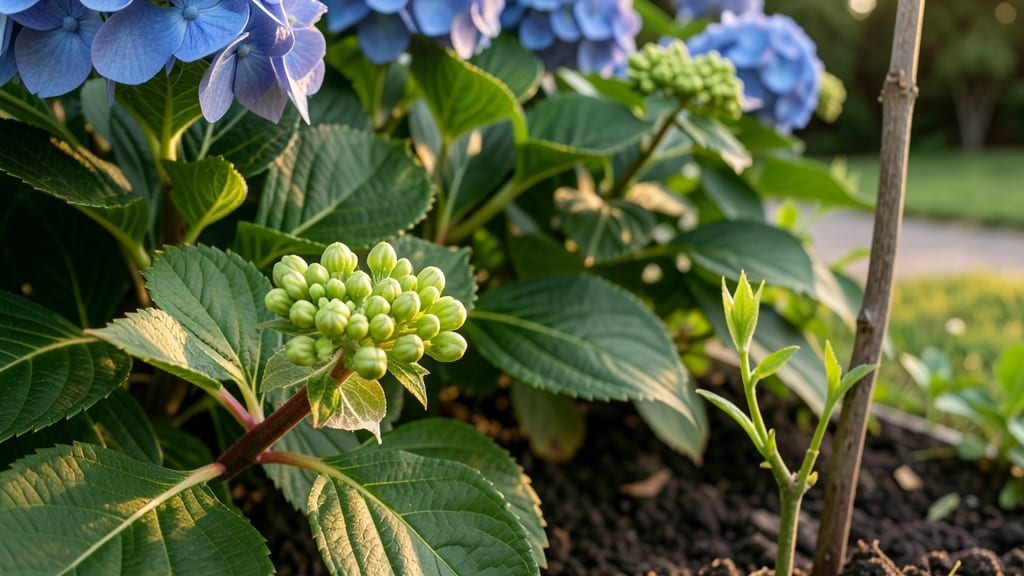
If you’ve ever stared at your hydrangeas 🌸 wondering why they bloom once and then disappear for months, you’re not alone—most gardeners assume these showstoppers flower just once a year, but the truth is far more interesting (and practical).
The frequency actually depends on the variety, your pruning habits, and even your local climate, meaning your blooms could last longer—or arrive earlier—than you think.
Take mophead hydrangeas, for example: they typically produce a single flush of flowers in late spring or early summer, but with the right care, you can coax them into reblooming later in the season.
Meanwhile, panicle varieties often flower twice—once in early summer and again in fall—if you follow a few simple timing rules. The key is understanding how each type behaves so you can adjust your garden strategy accordingly.
I’ve tested these methods in my own Zone 6a garden, and the results are game-changing: some adjustments take as little as 5 minutes per week but can extend your blooming season by months.
Whether you’re dealing with sparse flowers or wondering why your hydrangeas skipped a season entirely, this guide breaks down the science behind their cycles—and how to work with (not against) their natural rhythms.
Ready to transform your garden from a one-time floral display to a year-round spectacle? Let’s dive into the secrets of hydrangea timing, from pruning hacks to soil tricks that keep your shrubs blooming like clockwork.
Hydrangea flowering frequency by variety: annual vs. seasonal bloomers
Not all hydrangeas bloom on the same schedule, and understanding your variety’s natural cycle is key to maximizing those stunning floral displays. Some varieties produce just one flush of blooms per year, while others can deliver multiple flowering cycles with proper care.
The difference often comes down to their growth habits and where they form flower buds.
For example, mophead hydrangeas (like 'Endless Summer') are famous for their re-blooming abilities, producing flowers on both old and new wood. Meanwhile, lacecap varieties typically rely on old wood blooms, meaning they flower just once per year—unless you prune carefully.
Let’s break down how often each type blooms and what you can do to encourage more flowers.
Climate plays a huge role in when hydrangeas bloom. In warmer zones (USDA 8+), some varieties like 'Endless Summer' may produce smaller second flushes in fall, while cooler regions might see just one robust bloom cycle.
For example, lacecap hydrangeas in Zone 5 may delay blooming until July due to slower spring warming, while the same variety in Zone 9 could bloom as early as May.
If you’re growing panicle hydrangeas, their late-summer to fall blooming window makes them standout additions for autumn gardens. These varieties thrive in full sun and often produce long-lasting cone-shaped flowers that dry beautifully for winter interest.
The trade-off? They typically flower just once per year, so timing your pruning is critical to avoid cutting off next year’s buds.
For oakleaf hydrangeas, their one-time summer blooms are offset by stunning foliage that turns fiery red or purple in fall. These varieties are perfect for gardeners who want seasonal interest beyond just flowers.
To encourage more blooms, focus on soil moisture and mulching—oakleaf hydrangeas are particularly sensitive to drought stress, which can reduce flower production.
One common misconception is that all hydrangeas need spring pruning to bloom. This is false for old-wood bloomers like lacecaps and oakleaf varieties. Cutting back these plants in early spring can remove next year’s flower buds, leaving you with bare stems.
Always research your specific variety before reaching for the shears—this one mistake can set you back a full blooming season.
To extend blooming periods naturally, try deadheading spent flowers on re-blooming varieties like mopheads. This encourages the plant to redirect energy into producing new blooms rather than setting seed.
Pair this with regular feeding (every 4-6 weeks during growing season) and consistent moisture, and you’ll often see a noticeable second flush of flowers in late summer or fall.
For gardeners in hot climates, afternoon shade can help prevent bud blast—where buds form but then drop off due to heat stress. This is especially common with lacecap hydrangeas, which may produce fewer blooms in areas with summer temperatures above 90°F.
Providing afternoon shade with a sheer curtain or nearby trees can make a dramatic difference in bloom quantity.
Remember, hydrangeas are perennials, meaning they return year after year with proper care. While some varieties may seem finicky about blooming, most will reward patience with vibrant, long-lasting flowers when given the right conditions.
Start by identifying your hydrangea’s variety, then adjust your care routine to match its natural blooming cycle—your garden will thank you with bountiful, repeat performances each season. 🌿
How pruning type affects flowering frequency: when and how to cut for more blooms
Pruning hydrangeas isn’t just about shaping your shrubs—it directly controls how often and how heavily they flower. Different varieties respond to different pruning timing windows, and cutting at the wrong time can mean fewer blooms next season.
For example, mophead hydrangeas (Hydrangea macrophylla) produce flowers on old wood, while panicle hydrangeas (Hydrangea paniculata) bloom on new wood. Understanding this distinction is key to maximizing your plant’s floral potential.
Many gardeners make the mistake of pruning in late winter or early spring without considering their hydrangea’s flowering type. This can lead to missed blooms entirely if done incorrectly.
The right pruning strategy—whether it’s light trimming in summer or heavy pruning in late winter—can extend your blooming season by 3-6 weeks or even encourage year-round color with the right varieties. Let’s break down the best approaches for each type.
Old-wood bloomers (like mophead and lacecap) flower once per year on last year’s growth—prune too late, and you’ll lose next year’s blooms. New-wood bloomers (like panicle and smooth hydrangeas) can flower twice per year if pruned correctly in late winter or summer. Over-pruning removes flower buds before they form, resulting in bare stems for months.
Pro Tip: Always research your hydrangea’s variety and blooming type before reaching for the shears. A single miscut can delay blooms by 6-12 months!
For old-wood hydrangeas (mophead, lacecap), the golden rule is to prune immediately after flowering, typically in late summer or early fall. This allows the plant to set next year’s buds on the current season’s growth.
Skip spring pruning unless you’re removing dead or diseased wood—cutting back in spring risks removing flower buds that haven’t yet formed. I once pruned my Endless Summer hydrangea in March, and it took two full seasons to recover its usual summer-to-fall blooms.
On the other hand, new-wood hydrangeas (panicle, smooth, oakleaf) thrive with late winter or early spring pruning because they bloom on current year’s growth. You can even give them a second pruning in summer to encourage a fall rebloom.
For example, Limelight hydrangeas often produce two flushes of flowers—one in mid-summer and another in fallnever prune below the first set of leaves on mature stems.
If you’ve already over-pruned, don’t panic! Most hydrangeas are resilient and can bounce back with patience and proper care. Focus on watering deeply (1-2 gallons per plant weekly) and applying a balanced fertilizer (10-10-10) in early spring to encourage new growth.
Avoid heavy pruning the following year—instead, lightly shape the plant to redirect energy into flower bud formation. I’ve seen hydrangeas recover from 50% over-pruning within one growing season with this approach.
To maximize blooms, time your pruning with your local climate. In warmer zones (7-9), prune old-wood hydrangeas in June or July to avoid late-season heat stress. In colder zones (3-6), wait until late August to ensure buds have time to harden off before winter.
For new-wood types, prune in late February or March—just as new shoots begin to swell. This timing ensures you’re stimulating fresh growth without removing potential blooms.
Remember, the goal isn’t just more blooms—it’s healthier, longer-lasting flowers. By matching your pruning strategy to your hydrangea’s natural blooming cycle, you’ll enjoy vibrant color from early summer well into fall.
Start with one plant this season, experiment with timing, and soon you’ll have a hydrangea blooming calendar that keeps your garden in color all summer long. 🌸✂️🌿