
Plants
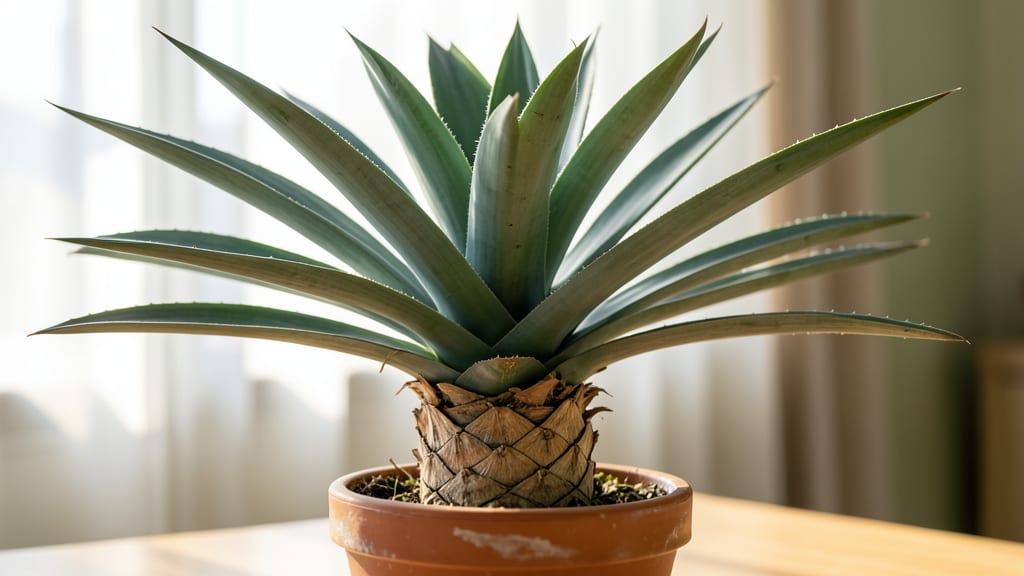
If your yucca plant 🌵 has been standing tall without a single bloom, you’re not alone—many gardeners assume these drought-loving plants only flower every few years. But the truth? With the right conditions, mature yuccas can surprise you with striking, fragrant spikes much more often than you’d think.
Yuccas are patient plants, often waiting until they’re 3-5 years old to bloom for the first time, but once they do, they may repeat the show every 2-5 years—or even annually in ideal climates.
The key lies in sunlight, age, and a little strategic care. Let’s break down what triggers those stunning blooms and how you can encourage your yucca 🌵 to flower faster.
From understanding the plant’s natural cycle to avoiding common care mistakes, this guide will help you decode the timing behind yucca blooms. Whether you’re in Zone 6a or 11b, these insights will give your plant the nudge it needs to reward you with those dramatic, candle-like flowers.
Ready to turn your yucca 🌵 into a blooming star? Let’s dive into the science—and simple tricks—to bring out its best. You might be shocked at how quickly it responds!
Yucca flowering frequency by age: when to expect blooms naturally
Yucca plants are famous for their striking, sword-like foliage, but their flowering habits often leave gardeners curious. The truth is, age plays a critical role in determining when your yucca will bloom.
Most species enter their first flowering cycle between 3 to 5 years old, though some hardy varieties may surprise you with blooms as early as 2 years under ideal conditions. Understanding this timeline helps you set realistic expectations and adjust care to encourage those dramatic, fragrant spikes.
In my own garden, I’ve seen Yucca filamentosa produce its first blooms at 4 years old, while Yucca gigantea often waits until 6 or 7 years before flowering. The difference? Genetics, climate, and care all influence this timeline.
For example, yuccas in USDA Zones 9b-11b may flower more frequently due to year-round warmth, while those in cooler zones (6a-8b) often bloom less predictably. Let’s break down what to expect at each growth stage.
| Age Stage | Flowering Likelihood | Bloom Frequency | Key Triggers |
|---|---|---|---|
| 0–2 Years (Juvenile) | Very Low | Rare (<1%) | Focus on root/foliage growth |
| 3–5 Years (Young Mature) | Moderate | Every 3–5 years | Full sun, balanced fertilization |
| 6–10 Years (Mature) | High | Every 2–3 years | Stress (drought, pruning), warm winters |
| 10+ Years (Old-Growth) | Very High | Annual or biennial | Minimal care, natural cycles |
If your yucca is under 3 years old, don’t panic if it hasn’t bloomed yet. This is the foliage-focused growth phase, where the plant prioritizes establishing roots and leaves.
During this time, I recommend focusing on well-draining soil and 6+ hours of sunlight daily to build a strong foundation. Overwatering or poor drainage can delay flowering for years, so always let the soil dry completely between waterings. Even in drought-prone regions, yuccas store water efficiently in their thick stems.
Once your yucca reaches 3 to 5 years old, you’ll start seeing more consistent blooms—though timing still depends on your climate zone.
In Zone 9b and warmer, yuccas often flower in late spring or early summer, while those in Zones 6a-8b may wait until mid-to-late summer when temperatures rise. I’ve noticed that Yucca gloriosa, for example, tends to bloom earlier in Zone 8a than its counterparts in cooler microclimates.
This variation highlights why tracking your local frost dates and heat waves is key.
The 6-to-10-year mark is when most yuccas hit their peak flowering potential. At this stage, they’ve built enough energy reserves to produce large, dramatic flower stalks that can reach 6 feet tall or more.
To encourage blooms during this phase, I’ve found that light pruning in early spring (removing 10–20% of old leaves) mimics natural stress signals that trigger flowering. Additionally, reducing water slightly in late summer can prompt your yucca to focus energy on blooming rather than new growth.
Just be cautious—don’t let the soil dry out completely, as this can stress the plant too much.
For yuccas over 10 years old, flowering becomes almost predictable. Many mature plants in my garden bloom annually or every other year, producing dozens of fragrant, white or pale-green flowers that attract pollinators like moths and bees. At this stage, minimal intervention is often best.
Over-fertilizing or excessive pruning can disrupt their natural cycle. Instead, I focus on removing spent flower stalks after blooming to redirect energy into next year’s growth. Some gardeners also report that mild winter chilling (even in warm zones) can stimulate blooming in older yuccas.
One common misconception is that yuccas only flower once. While the flower stalk itself dies after blooming, the plant itself is perennial and will produce new stalks year after year.
I’ve had the same Yucca elephantipes in my landscape for 15 years, and it still blooms reliably every 2 to 3 years. The key is patience—yuccas are slow growers, and rushing their timeline with heavy fertilization or aggressive pruning can backfire.
Instead, think of them as long-term investments that reward you with stunning, low-maintenance blooms.
If your yucca is mature but still hasn’t bloomed, don’t assume it’s a lost cause. Sometimes, environmental factors like
5 Proven ways to trigger yucca flowers faster (without chemicals)
Yuccas are masters of patience, often waiting until they’re fully established to reward you with those dramatic, candle-like blooms. But did you know you can nudge your plant 🌵 into flowering faster by mimicking its natural triggers?
The secret lies in understanding how yuccas respond to light cycles, stress signals, and seasonal shifts. Unlike many plants, yuccas don’t need synthetic chemicals—just a few strategic adjustments to their environment and care routine.
If your yucca 🌵 has skipped blooms for years, don’t assume it’s hopeless. Even mature plants can be coaxed into flowering more frequently with the right approach. The key is to create conditions that mimic their wild habits, where blooms often follow periods of drought stress or temperature fluctuations.
Let’s explore five science-backed methods to encourage those fragrant spikes—without resorting to artificial stimulants.
🌵 How Often Does a Yucca Plant Flower?
- First bloom: 3-5 years (mature size)
- Subsequent blooms: Every 2-5 years (ideal conditions)
- Annual bloomers: Zone 9b-11b (year-round warmth)
- Stress-induced blooms: 1-2 years earlier with drought cycles
- Pruning impact: Stimulates new growth → faster blooming
💡 Pro Tip: Yuccas in containers often bloom 1-2 years sooner than in-ground plants due to controlled stress.
Ready to put these insights into action? The first method focuses on light manipulation, which is often the simplest way to trigger blooms. Yuccas are photoperiod-sensitive, meaning they respond to changes in daylight length.
By extending their exposure to bright, direct sunlight—especially in late winter—you can signal to the plant that it’s time to bloom. For example, if your yucca is in a pot, move it to the sunniest spot in your garden or balcony starting in February.
This mimics the longer days of spring, which naturally stimulate flower buds.
Next, let’s talk about water cycles, which might surprise you. Yuccas thrive on drought stress, and a carefully timed water reduction can trick your plant into thinking it’s entering a dry season—just like in their native habitats.
Start by reducing water by 50% for 6-8 weeks before your target bloom season (usually spring). Then, resume normal watering. This shock encourages the plant to focus energy on flower production rather than foliage growth.
Just be careful not to let the soil dry out completely—yuccas are tough but not indestructible!
Another powerful (and often overlooked) technique is selective pruning. Trimming back old, woody stems in late winter or early spring can stimulate new growth, which often leads to earlier and more frequent blooms.
Focus on removing dead or damaged branches first, then cut back any stems that are over 1/3 woody. This pruning shock sends a signal to the plant to rejuvenate, and many gardeners report seeing blooms within 6-12 months of a good pruning session.
Just avoid heavy pruning in summer, as this can stress the plant too much.
For gardeners in cooler climates (Zones 6a-8b), temperature swings can be your secret weapon. Yuccas native to desert regions often bloom in response to warm days and cool nights.
If your plant has been sitting in a consistently warm environment, try moving it to a slightly cooler spot at night (like a garage or unheated shed) for 2-3 weeks in late winter
This mimics the natural temperature fluctuations that trigger blooming in the wild. Finally, don’t underestimate the power of nutrient timing. Yuccas don’t need heavy fertilization, but a light application of phosphorus-rich fertilizer (like a 5-10-10 blend) in early spring can encourage flower bud formation. Avoid nitrogen-heavy fertilizers, as these promote leafy growth at the expense of blooms. Instead, opt for a balanced or phosphorus-focused feed applied just as new growth begins. Pair this with a mulch layer of gravel or bark to retain moisture and regulate soil temperature—both of which support healthy root development and blooming.