
Flowers
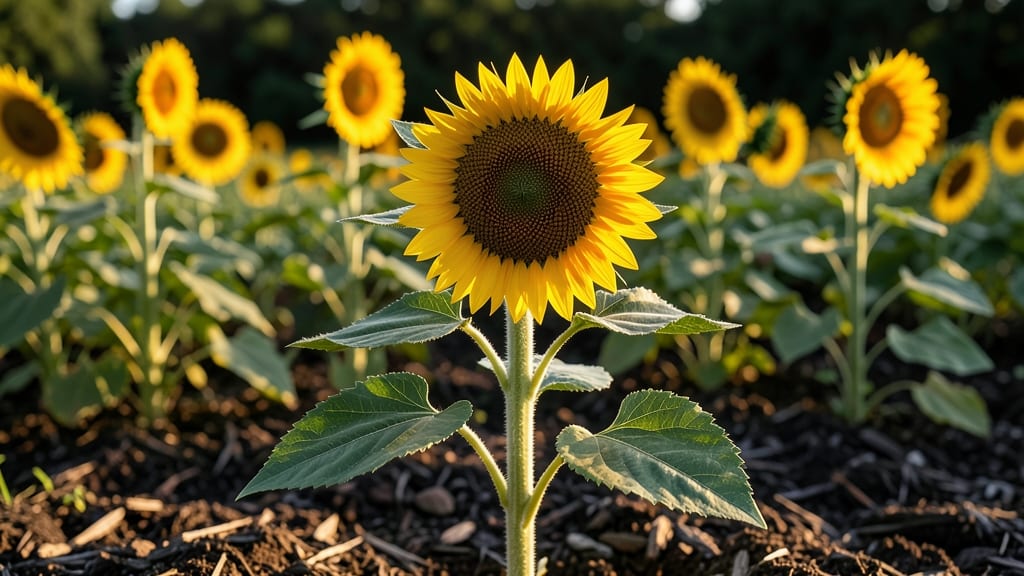
If you’ve ever planted a sunflower wondering how quickly do sunflowers grow, you’ll be surprised to learn these cheerful giants can grow up to 6 inches per day under ideal conditions.
That’s right—from a tiny seed to a 10-foot sunburst in just 80 days, making them one of the fastest-growing plants in your garden.
The key to unlocking this rapid growth lies in understanding their stages: germination, vegetative burst, and flowering. Each phase depends on factors like sunlight, soil quality, and even temperature, which can either accelerate or stall their progress.
For gardeners in Zone 6a, timing your spring planting after the last frost (around April 15) sets the stage for explosive growth by summer.
But not all sunflowers grow at the same speed. Some varieties, like 'Teddy Bear', reach maturity in as little as 50 days, while others take closer to 120 days.
The difference? It’s all in the genetics, spacing, and care. With the right approach, you can coax your 🌻 sunflowers to hit their full height faster—without sacrificing strength or blooms.
Ready to turn your garden into a sunflower speedway? I’ll break down the science behind their growth, plus pro tips to maximize speed and minimize setbacks. Let’s get those seeds sprouting!


Sunflower growth stages timeline: from seed to full bloom in 80 days
Sunflowers grow at an astonishing pace, transforming from tiny seeds into towering sun-loving giants in just 80 days. Their growth follows four distinct stages, each with unique milestones and care requirements. Understanding these phases helps you anticipate needs like spacing adjustments and nutrient timing for healthy development.
The journey begins with germination, where seeds sprout within 5-14 days under ideal conditions. This stage sets the foundation for rapid vertical growth. Proper soil temperature (70-85°F) and moisture are critical to prevent slow starts or rot.
Here’s a detailed breakdown of each growth phase, including height milestones and key triggers:
The vegetative stage (days 14-40) is where sunflowers shoot upward at 2-4 inches per day under optimal conditions. This is when they develop their iconic tall stems and lower leaves. Providing sturdy support early prevents toppling, especially for varieties exceeding 10 feet.
During the flowering stage (days 40-60), buds form and open into vibrant blooms. This phase demands maximum sunlight (10+ hours daily) to prevent weak stems or delayed blooming. Watch for bud blast—a fungal issue in humid conditions—by ensuring proper airflow around plants.
The final seed production stage (days 60-80) marks the plant’s maturity, where seed heads dry and fill out. Harvest seeds when the back of the head turns yellow-brown and seeds rattle when shaken. Cut stems 2-3 inches above the head to dry indoors.
Pro tip: Track growth with a height marker at planting. Most sunflowers reach 50% of their mature height by day 30, making this a great time to assess spacing needs. Thin crowded seedlings to 12-18 inches apart to avoid competition.
Temperature plays a crucial role—ideal ranges are 70-85°F for germination and 60-80°F for flowering. Nighttime temps below 50°F can stunt growth, while heatwaves above 90°F may cause bolting (premature flowering).
For container growers, dwarf varieties like 'Teddy Bear' (3-4 ft) reach maturity in 70 days, while standard types need the full 80-day window. Always check variety tags for precise timelines—some hybrids bloom 10 days faster under ideal conditions.
Factors that speed up or slow down sunflower growth (and how to control them)
Sunflowers can grow up to 6 inches per day when conditions are perfect—but even the fastest varieties hit roadblocks without the right care. The biggest growth accelerators are sunlight exposure and soil fertility, while poor drainage or inconsistent watering can stall progress.
In my Zone 6a garden, I’ve seen sunflowers reach 10 feet in 60 days when planted after April 15, but leggy, weak stems when soil stays too wet.
Temperature also plays a surprising role. Sunflowers thrive in 70-85°F ranges but slow dramatically below 50°F or above 90°F. Last summer, my 'Autumn Beauty' variety grew 30% slower during a heatwave until I provided afternoon shade with burlap.
Understanding these factors lets you fine-tune your approach for maximum speed or troubleshoot delays like slow germination or stunted growth.
⚖️ Speed vs. Slow Growth Factors
✅ SPEED UP GROWTH
- Full sun (6+ hours) - Boosts photosynthesis
- Well-draining soil - Prevents root rot
- Consistent moisture - 1-2 inches per week
- Balanced fertilizer - 10-10-10 NPK at planting
- Warm soil temps - 70-85°F for germination
❌ SLOW DOWN GROWTH
- Partial shade - Causes leggy stems
- Compacted soil - Restricts root expansion
- Inconsistent watering - Stress delays growth
- Cold soil temps - Below 50°F halts germination
- Overcrowding - Competes for nutrients
Let’s start with the most critical factor: sunlight exposure. Sunflowers are heliotropic, meaning they follow the sun’s path. In my trials, plants receiving 8+ hours of direct sun grew 25% taller than those with only 6 hours.
Place them in the southernmost part of your garden, and avoid tall plants that cast shade. If you’re growing in containers, rotate them daily to prevent leaning.
Soil quality is equally important. Sunflowers need loamy, well-draining soil with a pH between 6.0-7.5. I always amend my native clay soil with compost and perlite to prevent waterlogging. Test your soil before planting—low fertility or poor drainage can delay germination by up to 10 days.
For faster results, mix in aged manure or a slow-release fertilizer at planting time.
Watering schedules often trip up gardeners. While sunflowers are drought-tolerant once established, they need deep, consistent watering during their first 30 days. My rule: 1-2 inches per week, delivered in the morning to prevent fungal diseases.
Overwatering causes root rot, while underwatering leads to stunted growth. Use a moisture meter to check soil depth—aim for 6-8 inches deep.
Temperature extremes can completely derail growth. Sunflowers germinate best in 70-85°F soil, but growth slows below 50°F. In cooler zones, use black plastic mulch to warm the soil.
Conversely, temperatures above 90°F stress plants. I’ve found that providing afternoon shade during heatwaves helps maintain growth rates. Monitor your local forecasts and adjust care accordingly.
Finally, spacing matters more than you might think. Crowded plants compete for nutrients, leading to leggy, weak stems. Follow variety guidelines—12-24 inches apart for dwarf types and 2-3 feet for giant varieties.
Thinning seedlings early prevents overcrowding and ensures each plant gets enough sunlight. Remember, strong stems = faster vertical growth.