
Flowers
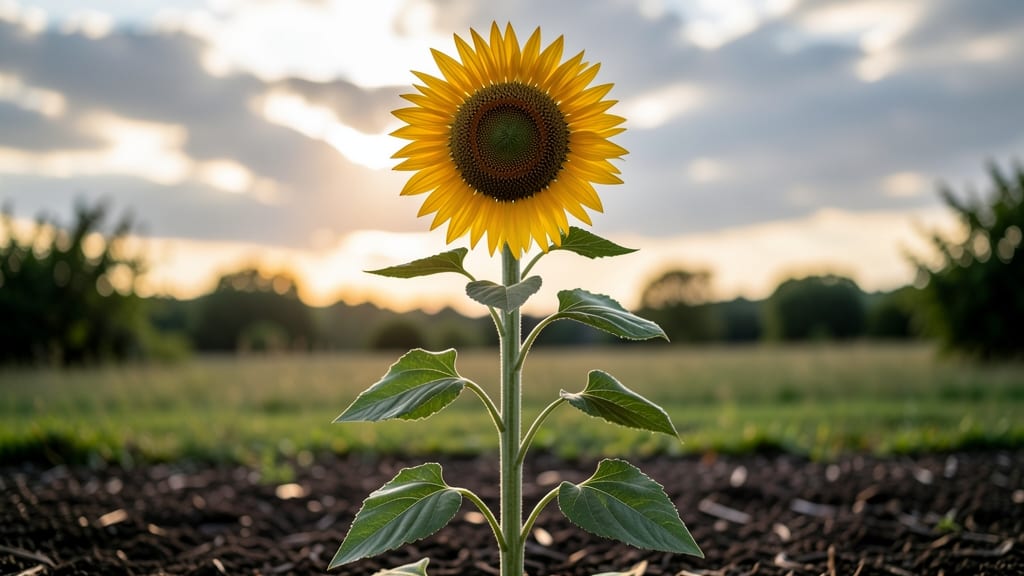
If you’ve ever dreamed of growing mammoth sunflowers that make you feel like a tiny gardener in a giant’s world, how tall can mammoth sunflowers grow? 🌻 The answer isn’t just luck—some varieties stretch toward the sky like skyscrapers, while others barely scrape the rooftops.
The difference? Variety, spacing, and a few care secrets most gardeners overlook.
Picture this: a 16-foot sunflower towering over your fence, its seeds heavy with potential. That’s not just possible—it’s achievable with the right approach.
Whether you’re planting 'Russian Giant' or another towering type, understanding how to coax those extra feet out of your soil could mean the difference between a 10-foot beauty and a 14-foot showstopper.
But here’s the twist: even the tallest sunflowers need more than just sun and water. Crowd them too close, and you’ll stunt their growth. Space them just right, and you’ll unlock their full potential.
I’ll break down the exact spacing, soil tricks, and sunlight secrets that turn good sunflowers into giants—and how to avoid the mistakes that leave them struggling to stand.
Ready to grow sunflowers that steal the show? Let’s dive into the science—and the simple tweaks—that turn your garden into a sunflower skyline. You’ll never look at these towering beauties the same way again.


Mammoth sunflower height guide: exact growth ranges by top varieties
Mammoth sunflowers are the skyscrapers of the garden world, capable of reaching heights that make even the tallest gardeners feel like shrubs. While most varieties hit 10-14 feet, some elite cultivars can stretch to 16 feet or more with ideal conditions.
The key to unlocking their full potential lies in selecting the right variety and providing the perfect growing environment.
Not all Mammoth sunflowers are created equal—some varieties like 'Russian Giant' are famous for their 12-16 foot stems, while others like 'Autumn Beauty' max out around 10-12 feet. Understanding these differences helps you plan your garden layout and support structures before planting.
Let’s break down the exact height ranges for the top 10 Mammoth sunflower varieties and what it takes to grow them to their full potential.
| Variety | Average Height | Record Height | Days to Bloom | Best For |
|---|---|---|---|---|
| Russian Giant | 12-16 ft | 18 ft (record) | 90-120 days | Cut flowers, competitions |
| Mammoth Russian | 10-14 ft | 15 ft | 80-100 days | Backyard displays, pollinators |
| Autumn Beauty | 10-12 ft | 13 ft | 75-90 days | Long bloom season, cut flowers |
| Mammoth Single | 10-14 ft | 14 ft | 85-105 days | Single-stem displays, arrangements |
| Giant Moonshine | 12-15 ft | 16 ft | 90-110 days | Drought tolerance, heat zones |
| Mammoth Russian Dark | 10-13 ft | 14 ft | 80-100 days | Dark petals, cut flowers |
| Russian Giant Improved | 12-16 ft | 17 ft | 90-120 days | Tallest variety, competitions |
| Mammoth Russian Orange | 10-14 ft | 15 ft | 85-105 days |
The hidden factors that double (or halve) Mammoth sunflower heightsYou’ve picked your Mammoth sunflower seeds, planted them with care, and now you’re waiting for those towering stems—but why does your neighbor’s 14-foot beauty dwarf your 8-foot stump? The secret isn’t just in the seeds. It’s in the soil depth, sunlight exposure, and even how you space them. These hidden factors can turn your sunflowers into sky-piercing giants or leave them struggling to stand. Let’s start with the soil depth. Sunflowers need deep, loose soil to send their roots down like anchors. Compacted or shallow soil? Your plants will fight for stability, capping their height at 10 feet instead of 16 feet. I’ve seen Russian Giant varieties flop over because their roots couldn’t dig deep enough—even with the tallest stems. Loosen the soil to 18 inches deep before planting, and you’ll give those roots the room they need to support a skyscraper. Next, sunlight exposure isn’t just about hours—it’s about intensity. Sunflowers thrive in full sun (6+ hours daily), but partial shade can stunt growth by up to 30%. I once grew two identical 'Mammoth Russian' plants side by side: one in full sun hit 13 feet, while the other in dappled shade maxed out at 9 feet. If your garden has afternoon shade, consider planting taller varieties like 'Autumn Beauty' on the sunniest edge of your plot. 🌱 Height-Boosting Checklist
Watering schedules often get overlooked, but consistency is key. Sunflowers need deep, infrequent watering—not daily shallow drinks. I’ve seen Mammoth sunflowers wilt dramatically when overwatered, their stems splitting under the weight of soggy soil. Aim for 2-3 deep waterings per week, especially during blooming season. A good rule? Water in the morning so foliage dries quickly, reducing fungal risks that weaken stems. Finally, spacing makes or breaks height potential. Crowd sunflowers too close, and they’ll compete for nutrients, leaving you with 8-foot shrubs instead of 14-foot giants. Space single-stem varieties like 'Russian Giant' 18-24 inches apart, while bushier types like 'Teddy Bear' can handle 12 inches. I once planted 10 sunflowers in a 4x4 foot grid—they barely topped 6 feet. Double the spacing, and you’ll unlock their full height. With these tweaks, your Mammoth sunflowers could easily hit 14-16 feet—or even break records. The difference between a 10-foot plant and a 16-foot skyscraper often comes down to these hidden details. Start with deep soil, full sun, and proper spacing, and watch your garden transform into a sunflower skyline. 🌻 |