
Flowers
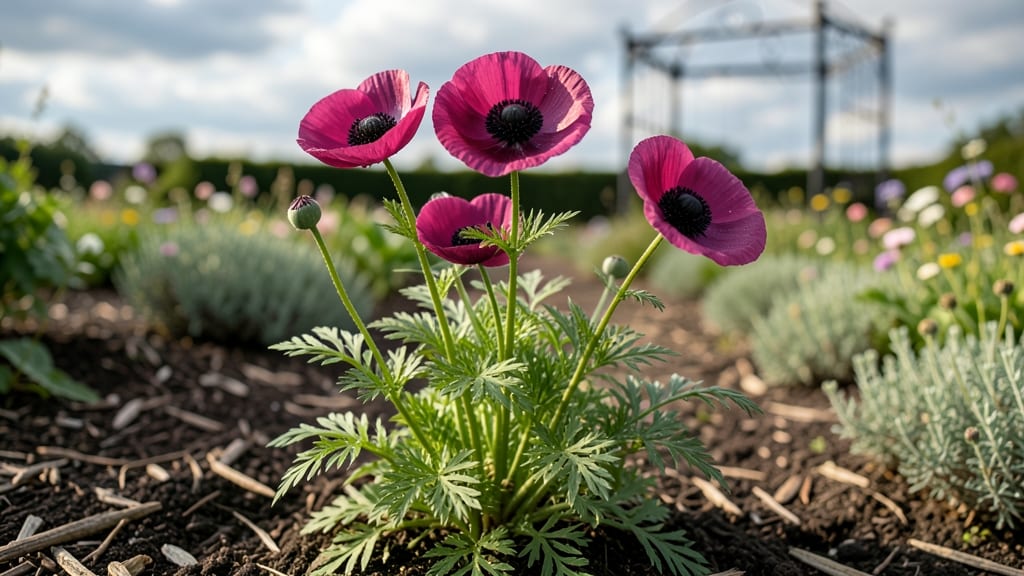
How tall do anemone flowers grow can truly surprise you—some stay as short as 8 inches while others stretch toward the sky at 4 feet. If you're planning your garden layout, knowing these differences is key to creating the perfect backdrop or foreground for your blooms.
Japanese anemones, for example, often reach 3 to 5 feet tall, making them ideal for adding drama to the back of borders. On the other hand, windflower anemones typically stay between 1 and 2 feet, perfect for containers or front-of-the-bed planting.
The right variety can transform your space without overwhelming it.
But here's the thing: height isn't the only factor. Sunlight, soil quality, and even pruning can influence how tall your anemones grow. I’ll walk you through how to choose the best type for your garden and keep them thriving—no matter how much (or little) space you have.
Ready to find the perfect anemone for your design? Let’s dive into the varieties and tips that will make your garden pop.


Anemone flower height by variety: from dwarf to towering types
Anemones are one of those versatile garden stars that can fit anywhere—from tiny containers to the back of borders. Their height ranges wildly, so picking the right variety ensures your garden stays balanced and stunning.
Some varieties stay under a foot tall, while others reach towering heights of 5 feet. Let’s explore the spectrum so you can match anemones to your space perfectly.
First, understand that anemones fall into two main groups: Japanese anemones (perennial) and windflower anemones (annual or short-lived). Japanese types grow upright and sturdy, while windflowers often sprawl or stay compact.
Even within these groups, heights vary—some dwarf varieties are perfect for rock gardens, while tall hybrids make dramatic focal points.
Here’s the key: soil quality and sunlight exposure can tweak heights by 10–20%. Rich, well-draining soil with partial shade (morning sun, afternoon shade) keeps anemones at their ideal height.
Too much sun or poor soil? Expect leggier growth. Now, let’s dive into the varieties and their heights—so you can visualize them in your garden.
| Variety | Average Height | Growth Habit | Best For |
|---|---|---|---|
| Japanese Anemone 'Honorine Jobert' | 3–4 ft | Upright, bushy | Back of borders, cottage gardens |
| Japanese Anemone 'Prince Henry' | 2–3 ft | Compact, rounded | Containers, small gardens |
| Windflower Anemone 'De Caen' | 8–12 in | Low-growing, spreading | Rock gardens, window boxes |
| Japanese Anemone 'September Charm' | 4–5 ft | Tall, slender stems | Focal points, tall borders |
| Windflower Anemone 'St. Brigid' | 1–2 ft | Clumping, mounding | Front of borders, mixed beds |
| Japanese Anemone 'Hadspen Abbey' | 3–4 ft | Bushy, multi-stemmed | Perennial borders, wildlife gardens |
Notice how Japanese anemones dominate the taller end of the spectrum, while windflower types stay shorter and bushier? This distinction is crucial when planning your garden layout.
For example, 'Honorine Jobert' (3–4 ft) would overwhelm a container, but it’s perfect for the back of a mixed border where its late-season blooms shine. Meanwhile, 'De Caen' (8–12 in) thrives in rock gardens or window boxes, adding color without stealing space.
If you’re working with limited vertical space, prioritize windflower varieties or dwarf Japanese types like 'Prince Henry'. These stay under 3 feet and work beautifully in containers or raised beds.
Pro tip: Pair taller anemones with low-growing companions like heuchera or ajuga to create a layered, lush effect without crowding.
For urban gardens or balconies, consider hybrid anemones bred for compact growth. Some modern hybrids reach only 18–24 inches but still produce showy blooms.
These are ideal for hanging baskets or small pots where you want color without bulk. Just ensure your container has drainage holes—anemones hate soggy roots.
One more factor: pruning habits can influence height. Deadheading spent blooms encourages more flowers but may slightly reduce stem length. If you’re growing anemones for cut flowers, let a few stems flower fully to see their natural height—some varieties surprise you with extra inches when unpruned.
For instance, 'September Charm' can stretch to 5 feet if given ideal conditions.
Finally, don’t overlook seasonal growth patterns. Most anemones bloom in late summer to fall, when many other plants have faded. Their height and color become the star of the show at this time.
Plan your garden’s vertical layers with this in mind—tall anemones will anchor your autumn displays while shorter varieties add texture earlier in the season.
Ready to pick your perfect anemone?
Best garden placement strategies based on anemone flower height
Choosing the right spot for your anemone flowers depends entirely on their mature height. Tall varieties like Japanese anemones (3-5 feet) thrive as dramatic backdrops, while dwarf types (8-12 inches) shine in containers or border fronts.
The key is matching their growth habit to your garden's layers for a balanced, eye-catching design.
For small gardens, semi-dwarf anemones (1-2 feet) create perfect mid-height accents. In larger spaces, taller types can anchor back-of-bed plantings or line pathways. Even container gardening works—just pick compact varieties like windflower anemones and ensure proper drainage to prevent root rot from overwatering.
🌸
🌿 Anemone Placement by Height
- 🌱 Dwarf (8-12"): Front-of-border or container gardens. Pair with low-growing perennials like ajuga or heuchera.
- 🌿 Semi-Dwarf (1-2'): Mid-border planting. Combine with salvia or catmint for layered texture.
- 🌹 Standard (2-4'): Back-of-bed or mixed borders. Plant behind shorter perennials like black-eyed Susan.
- 🌳 Tall (3-5'): Backdrop for pathways or tall garden structures. Use as a privacy screen in cottage-style gardens.
Pro Tip: Stake tall varieties early to prevent flopping in windy areas.
Layering is where anemones truly shine. Start with tall varieties at the back, then add medium-height types in the middle, and finish with dwarf anemones or ground covers in front. This creates depth and draws the eye through your garden like a living painting.
Containers are another game-changer for compact anemones. Choose shallow pots with drainage holes and mix in companion plants like fuchsia or sweet alyssum for color contrast. Place containers near seating areas or patios to enjoy their delicate blooms up close.
Don’t forget about seasonal transitions. Many anemones bloom in late summer or fall, so position them where they’ll catch the golden afternoon light for maximum impact. Pair with early bloomers like peony or daylily to extend your garden’s seasonal appeal.
With the right placement, your anemones will become the star of the show—whether they’re towering over your borders or adding delicate touches to containers. Experiment with different heights and watch your garden transform! 🌿