
Flowers
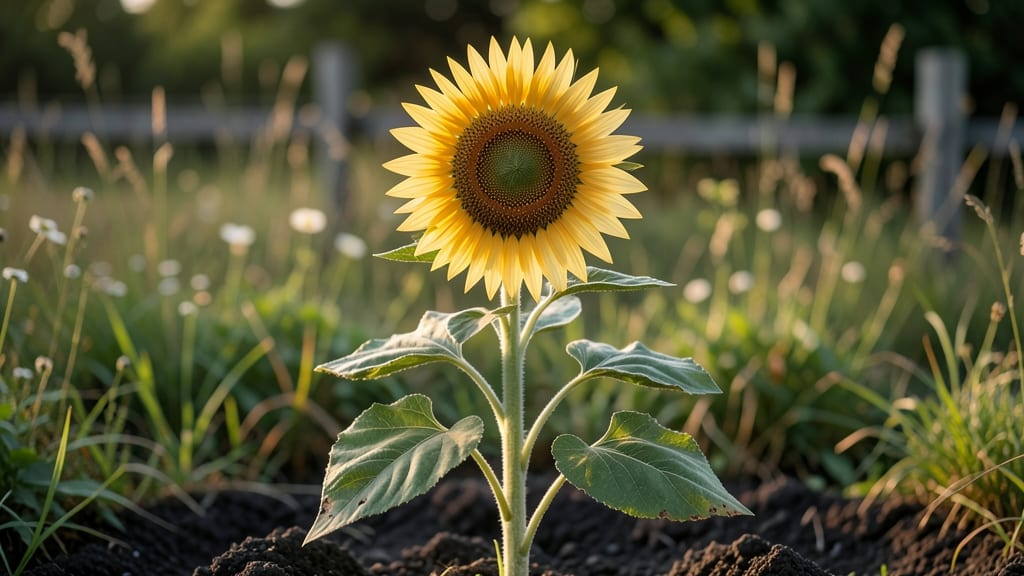
If you’ve ever planted a sunflower and marveled at how tall sunflowers grow, you’re not alone—these cheerful giants can shoot up like a green skyscraper from dwarf varieties under 3 feet to towering giants that dwarf even the tallest basketball hoop.
The height of your 🌻 sunflower isn’t just about luck; it’s a mix of genetics, care, and a few clever tricks that can help you coax those stems to their full potential.
Whether you’re dreaming of a backyard sunflower grove or planning a space-saving container garden, knowing the right variety is the first step. Dwarf types like 'Teddy Bear' stay compact, while 'Russian Giant' can stretch to 12+ feet—but only if you give them the perfect growing conditions.
Sunlight, soil, and even how you water can make the difference between a modest plant and a stunning vertical statement.
But here’s the thing: even the tallest sunflowers need a little help sometimes. Without proper support, strong winds or heavy blooms can cause them to lean or snap. That’s where staking, pruning, and smart planting techniques come in.
I’ll show you exactly how to maximize height—or keep them manageable—so your sunflowers thrive no matter where you live in USDA Zone 6a.
Ready to turn your garden into a sunflower wonderland? Let’s break down the height ranges by variety, the secrets to encouraging (or controlling) growth, and the best practices to keep your 🌻 sunflowers standing tall all season long.


Sunflower height ranges by variety: from dwarf to giant
Sunflowers are nature’s skyscrapers, with some varieties stretching toward the sky like 12-foot giants while others stay compact at just 2 feet tall. The height you’ll see in your garden depends entirely on the variety you choose—and how well you cater to their needs.
Whether you’re dreaming of a backyard sunflower skyline or a container-friendly patio display, knowing the height ranges helps you plan spacing, support structures, and even harvest strategies.
From the Russian Giant, which can dwarf a two-story house, to the Teddy Bear variety that fits snugly in a child’s hands, sunflowers offer a stunning range of heights.
But here’s the catch: even the tallest varieties need the right soil nutrients, sunlight exposure, and watering routine to reach their full potential.
Let’s break down the height spectrum so you can pick the perfect sunflower for your space—and coax it to grow as tall (or as short) as you’d like.
| Variety | Height Range | Best For | Sun Needs | Growth Time |
|---|---|---|---|---|
| Dwarf Varieties ('Teddy Bear', 'Moulin Rouge') | 1–3 ft | Containers, borders, kids' gardens | Full sun (6+ hrs) | 50–60 days |
| Medium Varieties ('Autumn Beauty', 'ProCut') | 3–6 ft | Cut flowers, mixed beds | Full sun (6–8 hrs) | 60–75 days |
| Standard Varieties ('Mammoth', 'Russian Giant') | 8–16 ft | Backyard focal points, pollinators | Full sun (8+ hrs) | 80–120 days |
| Giant Varieties ('American Giant', 'Mammoth Russian') | 12–16 ft | Large gardens, events, records | Full sun (8–10 hrs) | 100–120 days |
If you’re growing dwarf sunflowers like 'Teddy Bear' or 'Moulin Rouge', you’ll love their compact size (1–3 feet), making them perfect for containers, window boxes, or small gardens. These varieties bloom quickly—often in just 50–60 days—and their cheerful faces add color without overwhelming your space.
They’re also low-maintenance, requiring minimal staking and thriving in well-draining soil with 6+ hours of sunlight daily.
For medium-height varieties like 'Autumn Beauty' or 'ProCut', you’ll see stems reaching 3–6 feet tall, ideal for cut flower arrangements or mixed garden beds. These sunflowers strike a balance—tall enough to make a statement but sturdy enough to stand without support in most conditions.
They’re also great for pollinators, attracting bees and butterflies during their 60–75-day growth cycle. To maximize their height, focus on balanced fertilization (equal parts nitrogen and phosphorus) and consistent morning watering.
The standard and giant varieties are where things get dramatic. 'Mammoth' and 'Russian Giant' sunflowers can top 12 feet or more, turning your garden into a living skyscraper.
These varieties need ample space—plant them at least 18–24 inches apart to prevent overcrowding—and provide sturdy stakes or cages to support their weight. They also demand rich, nutrient-dense soil with plenty of phosphorus to fuel their rapid growth.
Without proper care, even these giants can struggle, so monitor for pests like sunflower moths and diseases like powdery mildew.
Here’s a pro tip: if you’re growing giant sunflowers and notice your plants leaning or bending, it’s not necessarily a sign of poor health—it’s often their natural phototropic response to follow the sun.
To correct this, gently tie stems to stakes as they grow, guiding them upward without restricting their movement. You can also rotate containers
How to maximize sunflower growth: soil, sun, and secrets
Sunflowers thrive when given the right conditions, but their height potential depends on more than just variety selection. While some dwarf varieties stay under 3 feet, giants like 'Russian Giant' can surpass 12 feet—but only with optimal care.
The secret lies in balancing soil nutrients, sunlight exposure, and strategic support to prevent top-heavy stems from snapping in wind or storms.
Most gardeners focus on watering and sunlight, but root depth and nutrient ratios are often overlooked. Too much nitrogen fuels leafy growth at the expense of stem strength, while phosphorus promotes root development—critical for anchoring tall varieties.
Let’s break down the science-backed techniques to coax your sunflowers to their maximum height without compromising stability.
- 1 Soil Nutrients: Use a 5-10-10 fertilizer (low nitrogen, balanced phosphorus) to encourage root depth over leafy growth. Test soil pH—ideal range is 6.0-7.5.
- 2 Sunlight: Provide 6-8+ hours of direct sun daily. South-facing plots maximize exposure, but east/west works too—just avoid shade from trees or structures.
- 3 Watering: Deep water 1-2 times weekly (morning only) to encourage deep roots. Avoid overhead watering at night to prevent fungal diseases.
- 4 Staking: Install 3-foot stakes at planting for tall varieties. Use soft ties (old T-shirts work!) to avoid girdling stems as they grow.
- 5 Wind Resistance: Plant in sheltered spots or use windbreaks (e.g., tall grasses or fences). Prune lower leaves to reduce wind catch.
One common myth is that more water = taller sunflowers, but overwatering actually weakens stems by diluting soil nutrients. Aim for 1 inch of water weekly, letting the top inch of soil dry between waterings.
Mulch with straw or wood chips to retain moisture while preventing weeds from competing for nutrients.
For giant varieties, consider side-dressing with compost or a low-phosphorus fertilizer when stems reach 3 feet to support continued vertical growth. However, avoid late-season fertilization, as new growth won’t harden before frost. Instead, focus on pruning lower branches to direct energy upward and improve airflow.
Pro tip: If your sunflowers lean, don’t rush to stake them—first check for uneven sunlight or root-bound conditions. Gently loosening roots or rotating pots (for container-grown plants) can correct imbalances before staking becomes necessary. With these techniques, even 10-foot giants will stand tall and proud in your garden. 🌻