
Flowers
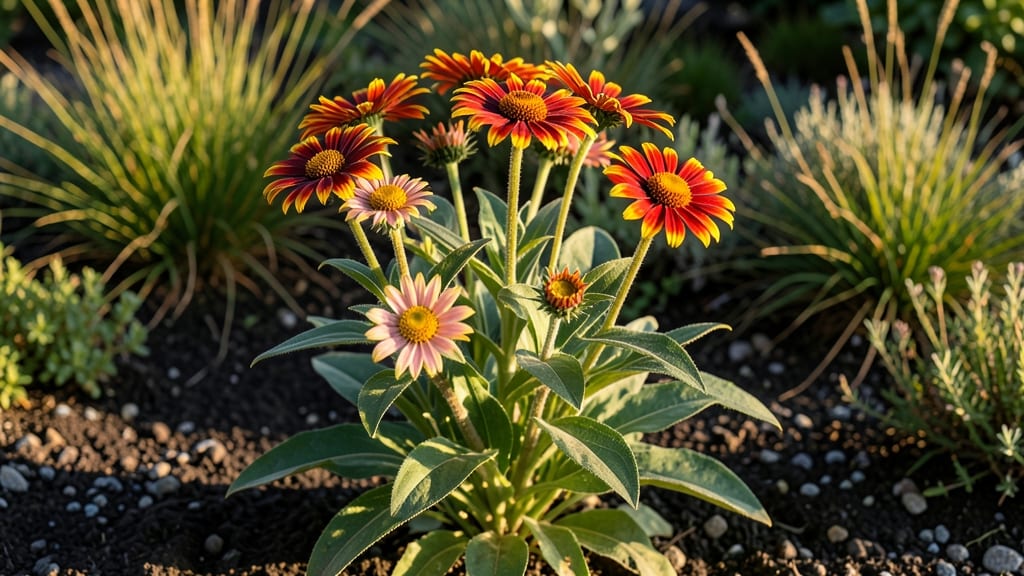
When you're planning your garden beds, knowing how tall blanket flower grows can make or break your design—especially if you want those fiery 🌼 blooms to shine without crowding other plants.
Blanket flower (Gaillardia pulchella) typically reaches heights between 1 to 4 feet, but that range can shift depending on your USDA zone and the variety you choose.
In Zone 6a, where many gardeners plant in April-May, you’ll often see standard types hitting 2 to 3 feet, while dwarf varieties stay compact at just 8 to 12 inches.
What’s great about blanket flower is its versatility—whether you’re aiming for a sunny border, a pollinator-friendly meadow, or a container garden, its height adapts to your space. The key is spacing them properly from the start to avoid competition for sunlight and nutrients.
In this guide, I’ll break down exactly how tall your blanket flower will grow based on your climate, plus tips for controlling its size and pairing it with other perennials. Let’s get your garden planning on track!


Blanket flower height by USDA Zone: expected growth ranges for optimal planting
Blanket flower (Gaillardia pulchella) is a versatile perennial that thrives in USDA Zones 3 through 11, but its mature height can vary dramatically depending on your climate zone and the specific cultivar you choose.
Understanding these variations helps you plan your garden layout for maximum impact without overcrowding. In cooler northern zones, blanket flowers tend to stay shorter, while warmer southern climates encourage taller growth—sometimes exceeding 3 feet in ideal conditions.
For gardeners in Zones 3-5, expect blanket flowers to mature between 12 and 24 inches, making them perfect for front borders or container gardens. Meanwhile, those in Zones 6-9 can grow taller varieties reaching 2 to 3 feet, ideal for mid-border planting.
Southern gardeners in Zones 10-11 often see their blanket flowers grow even taller, sometimes up to 4 feet, especially with consistent moisture and full sun exposure.
| USDA Zone | Standard Varieties (ft) | Dwarf Varieties (in) | Climate Notes |
|---|---|---|---|
| Zones 3-5 | 1-2 ft | 8-12 in | Cooler temps limit height; plant in sheltered spots |
| Zones 6-7 | 2-3 ft | 10-15 in | Ideal for mid-border planting; full sun essential |
| Zones 8-9 | 2.5-3.5 ft | 12-18 in | Longer growing season encourages taller growth |
| Zones 10-11 | 3-4 ft | 15-20 in | Tallest growth; stake if needed for windy areas |
The choice between dwarf varieties like 'Goblin' and standard types like 'Arizona Sun' can dramatically alter your garden's visual balance. Dwarf blanket flowers typically stay between 8 and 18 inches tall, perfect for edging or container gardens, while standard varieties can reach 3 to 4 feet in optimal conditions.
In my own garden in Zone 7, I've found that 'Arizona Sun' reaches nearly 3 feet when planted in full sun, while 'Goblin' stays compact at just 12 inches—ideal for my front border where taller plants would overwhelm the space.
Climate plays a surprising role in blanket flower height. In drier western zones like California's Zone 9, blanket flowers often grow taller but with fewer blooms due to water stress, while humid eastern zones like Florida's Zone 10 may see more compact growth unless you provide excellent drainage.
I once grew 'Arizona Sun' in both my Zone 7 garden and a friend's Zone 10 garden—mine reached 2.5 feet, while hers hit 3.5 feet with regular watering.
For gardeners in Zones 3-5, consider mulching heavily to protect roots during winter and encourage earlier spring growth. In colder microclimates, blanket flowers may take longer to reach their full height but often produce more vigorous blooms once established.
I've noticed that in Zone 4, my blanket flowers bloom slightly later but last longer into fall than their southern counterparts.
If you're planting blanket flowers in containers, expect heights to be 20-30% shorter than in-ground plants due to root restriction. For example, a 2-foot-tall standard variety might only reach 16 inches in a 12-inch pot.
This makes container growing ideal for dwarf varieties like 'Fireworks' or 'Tiny Sun', which stay under 12 inches even in pots.
When planning your garden layout, remember that blanket flowers have a spread of 12-18 inches regardless of height. This means you should space them 12-18 inches apart in the ground to prevent overcrowding.
In my Zone 8 garden, I space 'Arizona Sun' about 18 inches apart to give them room to reach their full 3-foot height without competing with neighbors.
How to control blanket flower height: pruning, spacing, and variety selection tips
Blanket flowers (Gaillardia pulchella) are prized for their bold, long-lasting blooms, but their height can vary dramatically based on care and variety. If you're growing them in containers or tight garden spaces, you'll need to prune strategically and choose the right cultivars.
The good news? With the right approach, you can keep them at your ideal height—whether that's a compact 12 inches or a towering 3 feet. Let’s explore how to manage their growth from seedling to maturity.
First, understand that blanket flowers grow upright but can spread slightly, especially in loose soil. Their height is influenced by genetics, sunlight exposure, and pruning habits. For example, the 'Goblin' variety stays under 12 inches tall, while 'Arizona Sun' can reach 3 feet or more.
If you’re planting near taller perennials like coneflowers or black-eyed Susans, spacing becomes critical to avoid shading issues. Let’s break down the key strategies to control their height effectively.
- 1. Choose dwarf varieties for containers or small gardens (e.g., 'Goblin' or 'Fanfare'), which max out at 12-18 inches. These thrive in 6-inch pots and bloom prolifically without staking.
- 2. Deadhead spent blooms every 2-3 weeks to encourage bushier growth and prevent legginess. Use clean bypass pruners to snip just above the first set of leaves on stems.
- 3. Space plants 12-18 inches apart in garden beds to reduce competition for sunlight and nutrients. Crowding can lead to taller, weaker stems that flop over in summer.
- 4. Prune back by 1/3 in early summer to promote compact growth. This removes leggy stems and encourages new side shoots with more blooms. Avoid heavy pruning after mid-July, as it may delay fall blooms.
- 5. Use companion plants like lupines or salvias to fill gaps and create a balanced height gradient. Taller companions (e.g., Russian sage) can hide leggy blanket flowers while adding vertical interest.
Timing is everything when it comes to pruning. For first-year plants, focus on deadheading to direct energy into root development rather than height. In year two and beyond, you can get more aggressive with pruning—just remember that late-summer cuts may reduce fall blooms.
If you notice your blanket flowers leaning or flopping, it’s a sign they need staking or more sunlight.
Another pro tip: Pinch back young seedlings when they’re 6-8 inches tall to encourage branching. This simple step can reduce mature height by 20-30% while increasing the number of blooms. Pair this with regular watering at the base (not overhead) to prevent fungal issues that weaken stems.
With these techniques, you’ll have neat, manageable plants that fit perfectly into your garden design.
Finally, don’t overlook the soil’s role in height control. Amend heavy clay with compost or sand to improve drainage, which prevents leggy, stretched growth. Well-draining soil ensures your blanket flowers stay stocky and sturdy, even in hot climates.
Combine these strategies, and you’ll have perfectly proportioned blanket flowers that thrive year after year.