
How To
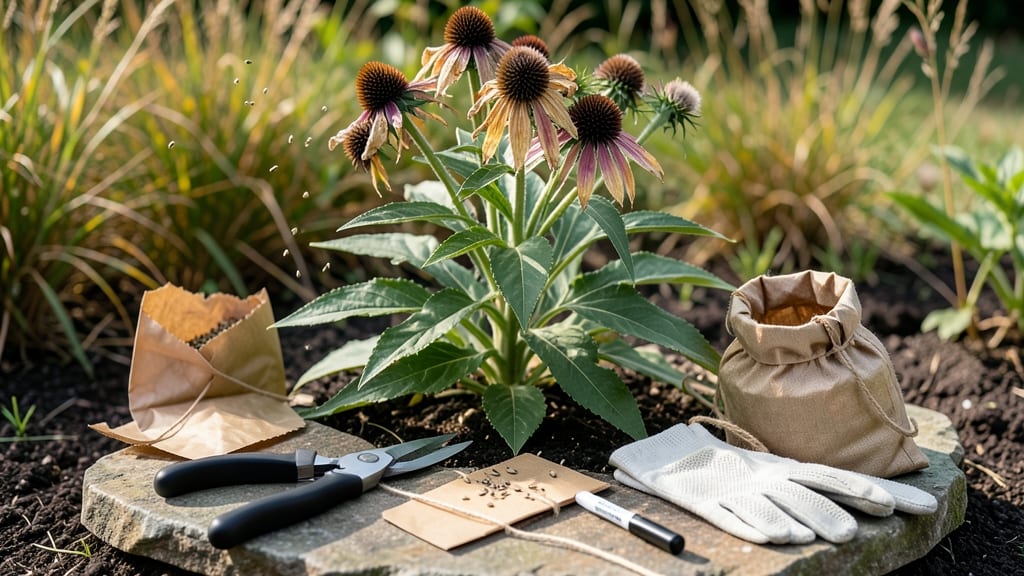
Harvesting purple coneflower seeds 🌼 is your ticket to a garden full of these vibrant blooms year after year—without spending a dime on new plants. The secret lies in timing and technique, and I’ve cracked the code after years of trial and error in my own garden.
If you’ve ever watched those dry, papery cones form and wondered, "Can I really save these seeds?", the answer is a resounding yes. With just a few simple steps, you’ll turn last year’s spent blooms into next spring’s thriving purple coneflowers.
Let me walk you through exactly when to harvest and how to store them for the best results.
Most gardeners miss the ideal harvest window—usually late September to October—because they don’t recognize the telltale signs of ripe seeds. I’ll show you what to look for, plus how to dry and store your seeds so they stay viable until planting season. No more guesswork, just reliable blooms.
Whether you’re a beginner or a seasoned gardener, this method works like a charm. By the end, you’ll have a stash of seeds ready to grow into hardy, drought-resistant plants that attract pollinators and brighten your landscape. Let’s get started!


When to harvest purple coneflower seeds for maximum germination success
Timing is everything when harvesting purple coneflower seeds—collect them too early, and you’ll end up with underdeveloped seeds that won’t germinate. Too late, and they’ll scatter naturally, leaving you with nothing to save.
The ideal harvest window is late fall to early winter, when the seed heads have fully matured but before winter’s first hard freeze. This ensures your seeds are dry, viable, and ready for storage until spring planting.
Look for these key indicators: the central cone turns deep brown, the petals wilt and fall away, and the seed heads feel crisp and brittle. When you shake a mature seed head, you’ll hear the seeds rattle inside—this is your cue that they’re ready.
Harvesting at this stage maximizes your chances of high germination rates for next year’s garden.
🌼 Why timing matters: Purple coneflowers (Echinacea purpurea) produce seeds that need full maturity to store energy for germination. Harvesting too soon means seeds lack the nutrients needed to sprout, while waiting too long risks seed loss to birds, wind, or frost. The 120-150 day mark after flowering is your sweet spot for peak seed viability.
| Stage | Visual Cues | Action | Best Time |
|---|---|---|---|
| Early Maturity | Green cone, upright petals | Wait 4-6 weeks | Summer |
| Peak Maturity | Brown cone, wilted petals | Harvest immediately | Late fall |
| Over-Mature | Empty cone, scattered seeds | Too late—missed harvest | Winter |
Harvesting in late October or November works best in most USDA Zones 5-9, aligning with the plant’s natural seed-dispersal timeline. If you’re in a warmer climate (Zone 10+), aim for early winter to avoid premature seed loss.
Pro tip: Use a paper bag to collect seed heads—this prevents seeds from escaping while allowing airflow to maintain dryness.
One common mistake is harvesting when the cone is still slightly green. These seeds won’t germinate well because they’re underdeveloped. Always wait until the cone is completely brown and dry, even if the petals have mostly fallen.
This ensures your seeds have absorbed enough energy to sprout successfully next spring.
If you’re unsure whether your seeds are ready, perform the "shake test": Hold a seed head over a white paper bag and give it a gentle shake. If brown seeds rain down, they’re ready.
If only a few seeds drop or they’re still green, wait another 1-2 weeks. Patience here pays off with higher germination rates.
Regional differences matter too. In cooler northern climates, harvest before the first hard frost (typically by late November). In milder southern regions, you might extend harvesting into December. Always check your local frost dates to time your harvest just right.
After harvesting, dry the seed heads indoors for 1-2 weeks in a well-ventilated, dry area. Once fully dry, gently rub the cones between your hands or use a seed extraction tool to release the seeds. Store them in a cool, dark place in a sealed container until spring planting.
Remember: Seed viability drops after 1-2 years, so prioritize planting harvested seeds within 6-12 months. Proper timing now means more blooms next season—and who doesn’t love free, homegrown purple coneflowers? 🌼
Step-by-step guide to properly collect and store purple coneflower seeds
Now that you’ve identified your ripe purple coneflower seed heads, it’s time to harvest them properly. The key is to act quickly once the central cone turns brown and the petals fall away—this ensures maximum seed viability and germination success.
I’ve perfected this process over years of gardening, and I’m sharing my foolproof method so you can avoid common pitfalls like harvesting too early or storing seeds incorrectly.
Gather your tools: a pair of clean, sharp pruners, a brown paper bag for drying, and a small envelope or airtight container for long-term storage. You’ll also want a flat surface to lay out your seed heads for drying.
The process is simple, but timing and technique make all the difference in ensuring your seeds stay healthy until next spring.
- 1
- 2
- 3
- 4
- 5
Once your seeds are dry and stored, they can last 2-3 years if kept in optimal conditions. I like to label my seed envelopes with the harvest date—this helps me prioritize planting the freshest seeds first.
For best results, sow them in early spring or fall, just before the first frost, to give them time to establish roots before winter.
Pro tip: If you’re unsure whether your seeds are fully dry, place a few in a paper bag overnight. If they’re still damp in the morning, give them another week to dry. Over-drying isn’t an issue, but under-drying can ruin your entire batch.
Patience here pays off with higher germination rates!
With these steps, you’ll have a reliable supply of purple coneflower seeds ready for next season’s garden. Imagine the satisfaction of watching your homegrown blooms return year after year—all from seeds you carefully collected and stored. Happy harvesting! 🌼