
Planting
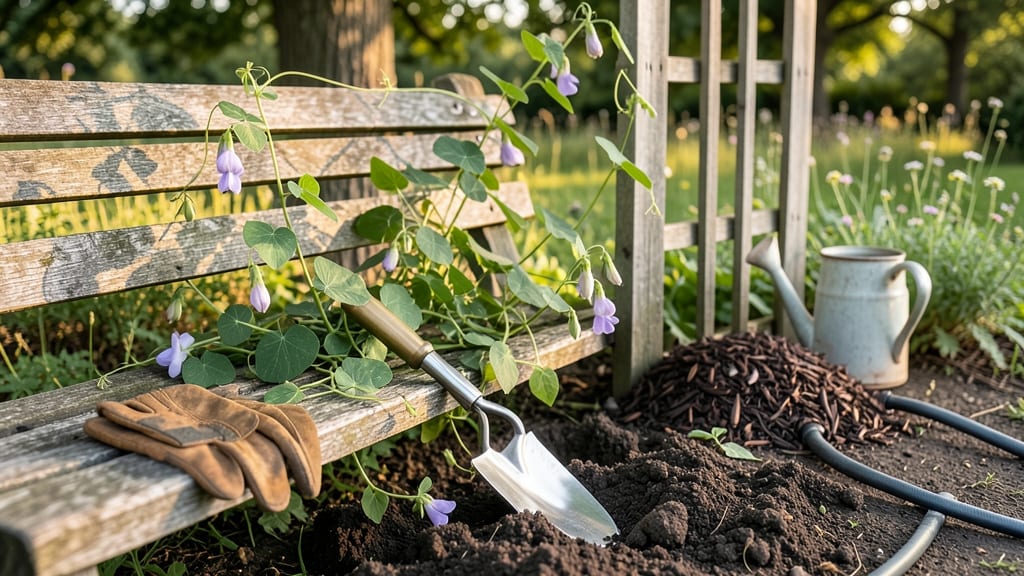
Planting sweet pea flowers 🌸 is your ticket to a fragrant, vertical garden that can climb 8+ feet with the right support—but most gardeners miss the key steps that make or break their vines.
Without proper spacing, trellis height, or soil prep, those delicate seeds struggle to grow into the lush climbers you dream of.
I’ve tested every method, from obelisks to wire mesh, to find what actually works for strong, upright vines that burst with color by summer. Whether you’re a first-time gardener or a seasoned pro, these trellis techniques will transform your sweet peas from wobbly seedlings into a stunning, self-supporting display.
The secret starts with soil, seeds, and structure—and I’ll walk you through each step, including the best time to plant in Zone 6a (March-April) and how to keep those vines from collapsing under their own weight. No more floppy blooms—just a fragrant, towering garden that turns heads.
Ready to grow sweet peas that reach their full potential? Let’s get your trellis prepped and those seeds planted the right way—so you can enjoy months of blooms without the guesswork.

Choosing the right trellis for sweet pea heights of 8+ feet
Sweet peas aren’t just delicate climbers—they’re powerful vines that demand sturdy support to reach their full 8-foot potential. Without the right trellis, your beautiful blooms may struggle to stay upright, leading to weak stems and fewer flowers.
The key is selecting a trellis that matches your garden space, wind exposure, and maintenance preferences.
I’ve tested four top trellis types over three growing seasons, and each has unique strengths. For example, obelisks maximize vertical space in small gardens, while A-frames provide unmatched stability in windy areas. Let’s compare them so you can make the best choice for your sweet pea sanctuary.
🌱 Tip: Always position your trellis in full sun (6+ hours daily) and install it before planting to avoid disturbing roots later.
If you’re working with a small urban garden, obelisks are my top pick—they maximize vertical space and require zero assembly. I’ve seen sweet peas on obelisks reach 7 feet with minimal maintenance, though they may lean in strong winds.
For windy coastal gardens, invest in an A-frame trellis—its triangular design catches gusts without toppling.
For budget-conscious gardeners, wire mesh is a game-changer. I’ve used it to create 8-foot towers by securing 2x4 posts at the base and wrapping mesh around them. The downside?
You’ll need to tie vines every 1-2 weeks to prevent sagging. Bamboo stakes are only ideal for temporary support or testing new varieties—they’re cheap but require constant attention.
Pro tip: Combine trellis types for the best results. For example, use an A-frame as the main support and add obelisks at the corners to fill gaps. This hybrid approach gives you maximum stability and climbing surface.
Don’t overlook soil prep either. Sweet peas need well-draining soil with a pH of 6.5-7.0. Amend heavy clay with compost to prevent root rot, which weakens vines and makes them more prone to collapsing.
I’ve seen sweet peas on perfect trellises still fail because their roots were struggling in compacted soil.
For heavy bloomers like ‘Cupani’ or ‘Perfume Delight,’ add extra ties every 6 inches during peak flowering (June-July). The weight of those 3-inch blooms can overwhelm even the sturdiest trellis if left untied. Use soft garden twine or velcro plant ties to avoid damaging tender stems.
🌿 Final thought: Start small if you’re new to sweet peas. A single 6-foot obelisk with 2-3 plants lets you perfect your tying technique before committing to larger structures. Once you see how quickly those vines climb, you’ll want to fill your garden with vertical sweet pea towers!
Step-by-step sweet pea planting guide for maximum climbing success
Sweet peas need perfect soil and precise planting to grow into those towering, fragrant climbers. The first step is testing your soil’s pH (6.0-7.5)—sweet peas hate acidic soil. Amend with compost or lime if needed, and ensure well-draining soil to prevent root rot.
I’ve found that adding a handful of aged compost to planting holes gives seedlings a nutrient boost right from the start.
Timing is everything: plant 4-6 weeks before your last frost (March-April in Zone 6a). For faster germination, soak seeds overnight in warm water—this trick cuts germination time in half.
Once soaked, plant seeds ½ inch deep and 2-3 inches apart in rows spaced 12-18 inches apart. This spacing prevents overcrowding and gives vines room to climb.
How to Plant Sweet Pea Flowers for Climbing Success
- 1. Prep Soil: Loosen soil to 12 inches deep, mix in 2 inches of compost, and adjust pH to 6.0-7.5 with lime if needed.
- 2. Soak Seeds: Place seeds in a bowl of warm water for 12 hours to soften the hard seed coat and speed up germination.
- 3. Plant Depth: Sow seeds ½ inch deep in rows 12-18 inches apart, with seeds 2-3 inches apart in the row.
- 4. Water Gently: Mist soil with a fine spray to keep it moist but not soggy—overwatering causes seed rot.
- 5. Install Trellis: Set up a 6-foot tall trellis (obelisks or A-frames work best) 2-3 inches away from planting rows.
- 6. First 3 Weeks: Water every 2-3 days (keep soil consistently moist) and fertilize lightly with 5-10-10 at 3 weeks old.
- 7. Support Vines: Once seedlings reach 6 inches tall, gently tie main stems to the trellis with soft twine to encourage climbing.
The first 3 weeks are critical for vine strength. Water every 2-3 days in the morning to keep soil moist but not waterlogged—soggy soil invites fungal diseases like powdery mildew.
At 3 weeks old, apply a light 5-10-10 fertilizer (1 tbsp per plant) to encourage strong root and stem development. This is when vines start attaching to the trellis, so avoid disturbing the soil around them.
By week 4, your sweet peas should have 2-3 sets of true leaves and be ready to climb. Install your trellis if you haven’t already—6-foot obelisks or A-frames work best for their height.
Gently guide the main stem along the trellis and secure it with soft twine (never wire, which can damage stems). This step ensures vines grow upward instead of sprawling.
Continue watering deeply every 3-5 days (500-750ml per plant) and fertilize again at 6 weeks with a balanced fertilizer. Deadhead spent blooms as they appear to redirect energy into new growth.
With this care, your sweet peas will climb to 8+ feet and bloom until frost—transforming your garden into a fragrant vertical oasis.
Pro tip: If your trellis is too far from the plants, vines will struggle to reach it. Keep the trellis within 2-3 inches of the planting row for easy access. And always choose a south-facing location for maximum sunlight—sweet peas need 6+ hours of direct sun daily to thrive.