
Blooming
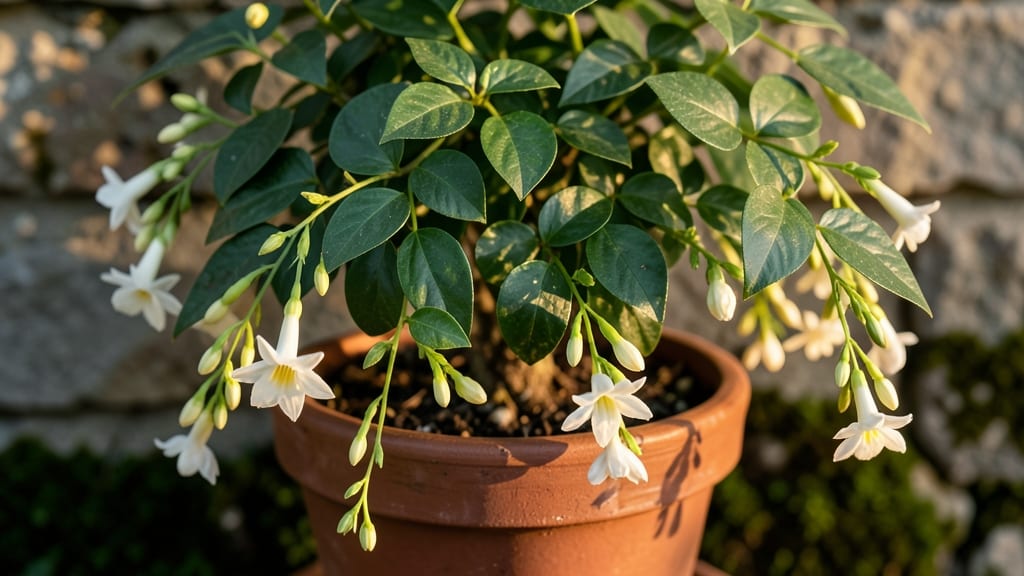
There's nothing quite like the intoxicating scent of the jasmine plant flowering season wafting through your garden—except maybe the frustration of waiting for it to bloom. The jasmine plant flowering season isn’t just about timing; it’s about understanding how to coax your plant into producing those fragrant blooms year-round.
Jasmine thrives in USDA Zone 6a and beyond, but its blooming habits vary wildly depending on the variety. Some types, like the classic Jasminum officinale, burst into bloom in late spring, while others, like the tropical Jasminum sambac, can flower almost continuously with the right care.
The key to nonstop blooms? Pruning at the right time and giving your plant the ideal conditions.
If you’ve ever wondered why your jasmine seems to take a break from flowering, the answer likely lies in its natural cycle—or in how you’re caring for it. From sunlight needs to seasonal pruning, small adjustments can make a huge difference.
Let’s break down exactly when and how to encourage those lush, fragrant blooms so your garden smells like paradise all year.
Ready to transform your jasmine into a blooming powerhouse? I’ll walk you through the step-by-step secrets, including the best times to prune, how much sunlight your plant really needs, and why fertilizing at the right moments is non-negotiable. Your garden’s next masterpiece starts here.

Jasmine flowering season by variety: when and how often they bloom
Jasmine plants are beloved for their fragrant blooms, but their flowering seasons vary dramatically depending on the variety and climate. Whether you're growing Arabian jasmine for its intense perfume or Star jasmine for its lush foliage, understanding these differences is key to planning your garden.
Some varieties bloom just once a year, while others can flower continuously with the right care. Let's explore how each type behaves so you can create a jasmine-filled paradise year-round.
First, it's crucial to distinguish between temperate and tropical jasmine varieties. Temperate jasmines like Jasminum officinale (common jasmine) thrive in cooler climates and have distinct seasonal blooming patterns, while tropical varieties like Jasminum sambac (Arabian jasmine) can flower multiple times a year in warm regions.
Your local climate will determine not just when your jasmine blooms, but also how often you can expect those intoxicating fragrances to fill your garden.
🌱
| Variety | Flowering Season | Bloom Frequency | Climate Needs | Special Notes |
|---|---|---|---|---|
| Arabian Jasmine (Jasminum sambac) | Spring to Fall (Year-round in tropics) | Continuous (2-4 times/year) | Tropical/Subtropical (USDA Zones 9-11) | Most fragrant at night; needs warmth |
| Common Jasmine (Jasminum officinale) | Late Spring to Early Summer | Once per year (with pruning) | Temperate (USDA Zones 6-9) | Needs winter dormancy; prune after blooms |
| Grand Duke Jasmine (Trachelospermum jasminoides) | Mid to Late Summer | Once per year (prolonged) | Temperate (USDA Zones 7-10) | Drought-tolerant; glossy evergreen leaves |
| Pink Jasmine (Jasminum polyanthum) | Spring to Early Summer | Once per year (clustered) | Temperate (USDA Zones 7-10) | Bright pink blooms; needs support |
| Star Jasmine (Trachelospermum asiaticum) | Summer to Fall | Continuous (with care) | Tropical/Subtropical (USDA Zones 8-11) | Star-shaped flowers; fast-growing vine |
The Arabian jasmine stands out as the most generous bloomer, capable of producing flowers year-round in tropical climates. In cooler regions, it typically blooms in spring and fall, with occasional summer flowers if temperatures stay warm.
This variety is perfect if you want your garden to smell like a Middle Eastern night garden for months at a time. However, it requires protection from frost, which can kill the plant if temperatures drop below 20°F (-7°C).
For gardeners in USDA Zones 6-9, common jasmine is a classic choice that blooms reliably in late spring to early summer. The key to extending its bloom time is strategic pruning after the flowers fade. This encourages new growth that can produce additional blooms later in the season.
I've found that giving my common jasmine a light trim in early summer often results in a second flush of flowers by late summer.
If you're looking for a low-maintenance option with beautiful foliage, Grand Duke jasmine is an excellent choice. Its summer blooms are less fragrant than Arabian jasmine but make up for it with stunning white flowers that contrast beautifully against its glossy evergreen leaves.
This variety thrives in partial shade, making it ideal for gardens with limited sunny spots.
The Pink jasmine adds a pop of color to gardens with its vibrant pink blooms that appear in spring. Unlike other varieties, it produces flowers in clusters, creating a dramatic display. To encourage more blooms, I recommend planting it where it gets <
Step-by-step guide to pruning jasmine for maximum blooms
Timing your pruning is the secret weapon for encouraging jasmine to bloom continuously. Most varieties flower on new wood, meaning the right cuts after blooms or during dormancy trigger fresh growth and more flowers.
I’ve found that spring and fall are the sweet spots for pruning, but the exact timing depends on your jasmine type and climate.
Before you grab your shears, gather the right tools: sharp bypass pruners for clean cuts, sterilized alcohol wipes to clean tools between cuts, and gardening gloves to protect your hands from thorns.
A handheld saw may be needed for thicker stems, but most pruning can be done with pruners alone. Always sterilize tools to prevent disease spread.
-
Step 1: Identify Bloom Cycle
Observe your jasmine’s flowering season. Most bloom in spring or summer, but tropical varieties like Jasminum sambac may flower year-round in warm climates.
-
Step 2: Post-Bloom Pruning (Late Spring/Early Summer)
After flowers fade, trim spent blooms and 1/3 of the plant’s length to encourage new growth. Cut just above a leaf node at a 45-degree angle.
-
Step 3: Light Dormant Pruning (Late Fall)
Reduce growth by 20-30% to shape the plant. Remove dead, diseased, or crossing branches first, then thin out crowded areas for airflow.
-
Step 4: Renewal Pruning (Early Spring)
Cut back overly long or leggy stems by half to stimulate bushier growth. Focus on outer branches to maintain an open center.
-
Step 5: Year-Round Maintenance
Pinch back new growth tips in late summer to promote fall blooms. Deadhead regularly to redirect energy into new flowers.
For tropical jasmines, like Arabian jasmine, prune lightly after each bloom cycle to prolong flowering. In cooler climates, a heavier dormant pruning in late winter (before buds swell) helps protect against frost damage while shaping the plant for spring growth.
Pro tip: Always prune on a dry, overcast day to reduce stress on the plant. Avoid pruning during peak heat or humidity, as this can invite pests or fungal infections. After pruning, apply a balanced fertilizer to support new growth.
With consistent pruning, my jasmine vines now produce continuous blooms from spring through fall, filling my garden with fragrance. The key is patience—jasmine responds best to gradual shaping rather than drastic cuts. Start small, observe how your plant reacts, and adjust your approach each season.