
Flowers
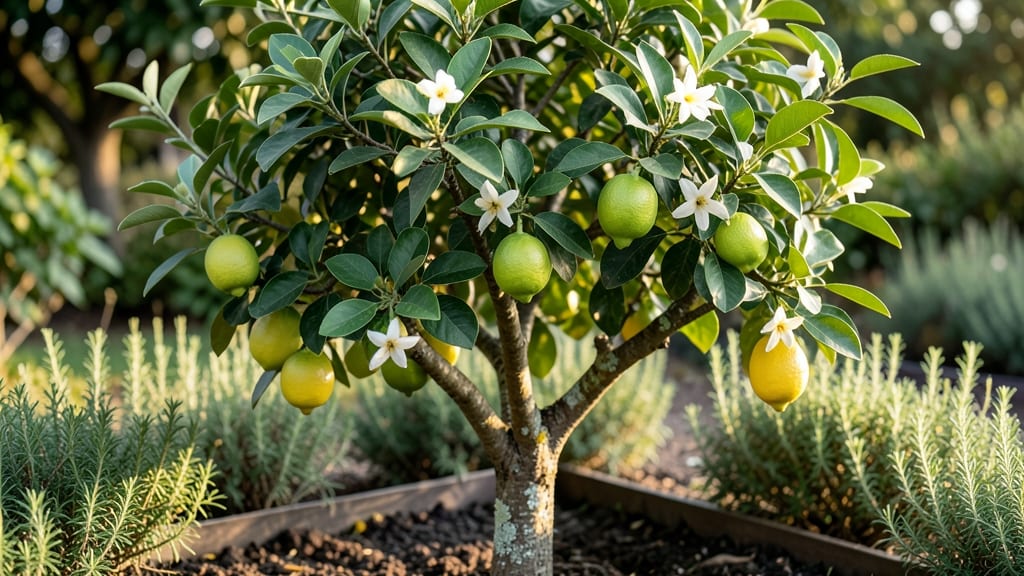
Watch your lemon tree’s tiny white flower to fruit transformation turn into juicy lemons—or wonder why they keep falling off before fruiting? The secret to a fast harvest lies in understanding the delicate process, where even small mistakes can mean the difference between a bountiful crop and empty branches.
I’ve seen gardeners in Zone 9b (and beyond) struggle with this exact issue, and the good news is: it’s fixable. From ideal pollination techniques to avoiding common pitfalls like temperature stress, I’ll break down exactly what your 🍋 needs to thrive—and how to troubleshoot when things go wrong.
Whether you’re dealing with dropped flowers or slow fruit development, these proven strategies will help you maximize your yield. Let’s turn those blossoms into lemons faster than you thought possible.
Ready to unlock your tree’s full potential? The answers start with understanding the stages—and what’s holding yours back.
The critical stages of lemon tree flower to fruit development
Watching your lemon tree bloom is exciting, but the real magic happens during the flower to fruit transition. This process involves three critical stages: pollination, fruit set, and early fruit growth.
Each stage requires specific conditions to ensure your tree doesn’t waste energy on flowers that drop without fruiting. Understanding these stages helps you maximize your harvest and troubleshoot issues before they become problems.
Lemon trees produce perfect flowers (with both male and female parts), but they still rely on pollinators like bees or environmental factors to trigger fruit development. When conditions are ideal—warmth, humidity, and proper care—you’ll see small green fruits form within 2-4 weeks of flowering.
However, if your tree drops flowers without fruiting, it’s often a sign of stress or improper timing in one of these stages.
Step-by-Step: Lemon Tree Flower to Fruit Development
-
Stage 1: Flowering (0-7 Days)
Lemon trees bloom in spring (or fall in warmer zones), producing white, fragrant flowers. Each flower has both male and female parts, but they need pollination to develop fruit.
-
Stage 2: Pollination (Days 3-7)
Bees or wind transfer pollen between flowers. For hand-pollination, gently brush a soft paintbrush over flowers. Temperature (70-85°F) and humidity (50-70%) are critical—low humidity or extreme temps can prevent pollination.
-
Stage 3: Fruit Set (Days 7-14)
After pollination, flowers swell into tiny green fruits (size of a pea). This stage is energy-intensive for the tree—reduce stress by avoiding heavy pruning or overwatering. Drop flowers here often signal nutrient deficiency or temperature shock.
-
Stage 4: Early Fruit Growth (Weeks 2-6)
Fruits grow rapidly, turning yellow-green. Ensure consistent watering (1-2 inches per week) and balanced fertilizer (low nitrogen). Thin fruits if overcrowded to improve size and quality.
-
Stage 5: Maturation (Months 3-12+)
Lemons ripen slowly, reaching full size in 6-12 months. Harvest when yellow (or green for tart flavor) and slightly soft. Patience is key—rushing harvest reduces flavor and shelf life.
If your lemon tree’s flowers drop before fruiting, it’s often a sign of environmental stress. Common culprits include temperature fluctuations (below 60°F or above 95°F), overwatering, or nutrient imbalances.
For example, high nitrogen encourages leafy growth at the expense of fruit. Adjust your care by reducing water slightly and switching to a low-nitrogen fertilizer during flowering.
Timing is everything when it comes to maximizing fruit set. Lemon trees in Zone 9b-11 (ideal citrus climates) flower in late winter to early spring, while those in cooler zones (Zone 6-8) may bloom in spring or early summer.
Align your care with these natural cycles: prune in late winter to encourage new growth, fertilize lightly in early spring, and avoid heavy watering during flowering.
One of the biggest mistakes gardeners make is over-pruning during flowering. Heavy pruning removes flower buds and stresses the tree, leading to flower drop. Instead, opt for light pruning to shape the tree and remove only dead or diseased branches.
Focus on opening the canopy to improve airflow and sunlight penetration, which are crucial for fruit development.
Monitor your tree’s soil moisture closely during the flowering stage. Overwatering can cause root rot, while underwatering stresses the tree and reduces fruit set. Aim for consistently moist but well-draining soil.
In containers, check soil moisture daily—top 1-2 inches should dry out between waterings. For ground-planted trees, water deeply every 5-7 days, adjusting for rainfall.
Finally, don’t overlook the role of pollinators. While lemon trees are self-pollinating, bees and other insects significantly boost fruit set. Plant pollinator-friendly flowers near your tree, like marigolds, lavender, or basil, to attract them.
If you live in an area with few pollinators, hand-pollinate flowers using a soft paintbrush or cotton swab to transfer pollen between blooms.
By understanding these critical stages and adjusting your care accordingly, you’ll transform your lemon tree from a floral spectacle into a fruit-bearing powerhouse. Pay attention to the details—temperature, water, nutrients, and pollination—and you’ll enjoy a bountiful harvest year after year. 🍋
Why some lemon tree flowers fail to produce fruit (and how to fix it)
Your lemon tree may be covered in white blossoms but still producing few fruits, leaving you wondering where the harvest went wrong. This frustrating cycle often stems from environmental stressors or cultural mistakes that disrupt the pollination-to-fruit process.
Understanding these roadblocks is the first step to turning those blooms into juicy lemons.
Common culprits include temperature extremes, over-fertilization, pest damage, and poor pollination. Each of these issues can cause flowers to drop without setting fruit, wasting your tree's energy.
The good news? Most problems have simple fixes—from adjusting your watering schedule to hand-pollinating stubborn flowers. Let’s diagnose the most likely causes and restore your tree’s fruit-bearing potential.
⚠️ Warning: Common Lemon Tree Fruit Set Failures
❌ Temperature Stress: Flowers need 60–90°F for pollination. Below 55°F or above 95°F, blooms drop without fruiting. Solution: Move potted trees to sheltered spots during heatwaves or frost.
❌ Over-Fertilization: Too much nitrogen promotes leaves over fruit. Solution: Switch to a low-nitrogen citrus fertilizer (6-6-6 NPK) during flowering.
❌ Pest Damage: Aphids or spider mites suck flower nectar, preventing fruit set. Solution: Spray with neem oil or insecticidal soap during bloom.
If your lemon tree flowers aren’t converting to fruit, hand-pollination might be your secret weapon. Many home gardeners miss that citrus trees often rely on bees or wind for pollination—but indoor trees or those in low-pollinator areas need a helping hand.
Grab a soft paintbrush or cotton swab and gently transfer pollen from one flower to another on calm, dry days.
Another hidden culprit is water stress. While lemon trees need consistent moisture, overwatering or drought can cause flowers to abort. Aim for 1–2 inches of water weekly (more in summer heat) and ensure pots have drainage holes.
Let the top 1–2 inches of soil dry between waterings to avoid soggy roots.
Seasonal care adjustments can also boost fruit set. In spring, when flowers appear, reduce fertilizer applications to avoid leafy growth at the expense of fruit. Instead, focus on phosphorus-rich fertilizers (like 10-20-10) to support flowering.
During summer, protect your tree from afternoon sun (use shade cloth if needed) to prevent heat stress.
Don’t overlook the role of pruning in fruit production. Lightly prune your tree in late winter to improve airflow and sunlight penetration, which encourages more fruit-bearing branches. Avoid heavy pruning during flowering season, as it can stress the tree and reduce fruit set.
With these adjustments, your lemon tree’s blooms will finally translate into a bountiful harvest!