
Blooming
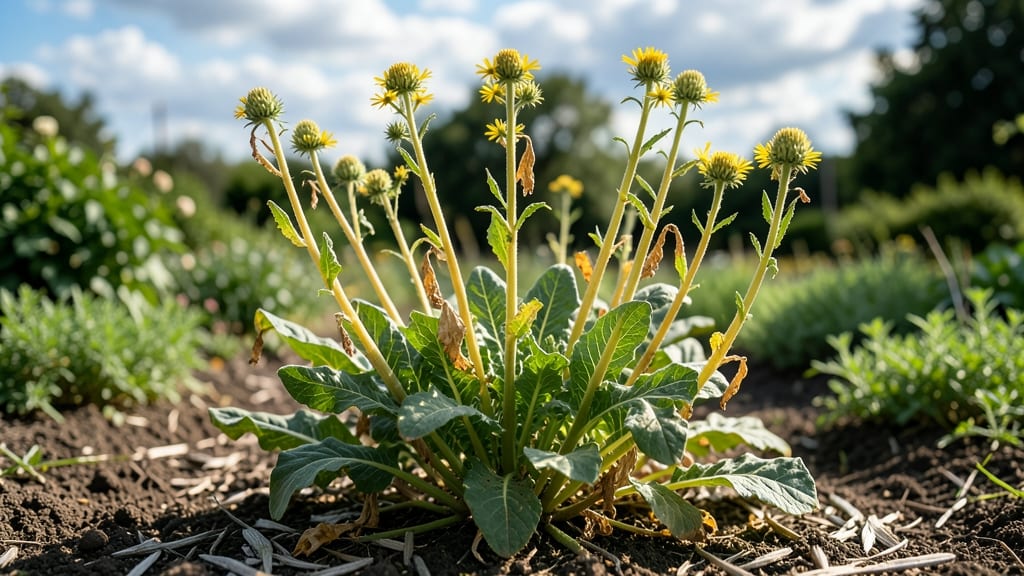
There's nothing worse than reaching for your crisp 🥬 lettuce salad only to find your once-tender leaves have suddenly sprouted bitter flower stalks—that’s the lettuce flowering stage in full swing. That's more common than you think, especially in warmer months.
This natural process happens when your plants sense heat, long days, or stress, triggering them to shift from leaf production to seed-making. The result? Your once-perfect greens turn tough, bitter, and unusable. But don't panic—understanding why this happens is the first step to saving your harvest.
In this guide, I'll walk you through how to spot the early signs of flowering, what's causing it in your garden, and most importantly, 5 proven strategies to either delay bolting or work with it to still get a harvest.
Whether you're dealing with spring heat waves or summer's relentless sun, these tips will help you keep your lettuce producing crisp leaves for weeks longer.
Let's turn that gardening frustration into a success story—your taste buds (and your salad bowl) will thank you!
What triggers the lettuce flowering stage & how to identify it
When your lettuce plants suddenly shoot up tall flower stalks instead of producing tender leaves, you're witnessing the lettuce flowering stage. This natural process, called bolting, transforms your salad crop into a seed-producing plant.
Understanding why it happens—and how to spot it early—can save your harvest before the leaves turn bitter and tough.
The lettuce flowering stage is triggered by three main factors: temperature stress, day length changes, and the plant's genetic maturity. Most varieties bolt when daytime temperatures exceed 75°F (24°C) for prolonged periods, or when nights stay above 60°F (15°C).
Short-day plants (like romaine) also react to increasing daylight hours, while long-day varieties (like leaf lettuce) bolt when days grow longer.
Genetics play a role too—older plants or varieties bred for seed production (like buttercrunch) bolt faster than heat-tolerant lettuce types. Even if you've provided perfect care, your lettuce may still trigger its flowering stage if it's reached its maturity threshold, typically 45-60 days after planting.
The first visual warning of the lettuce flowering stage is a tightened leaf rosette. Instead of spreading outward, leaves begin curling inward toward the center, creating a dense cluster. This happens as the plant redirects energy from leaf production to flower development.
Next, watch for stem elongation. Healthy lettuce stays low to the ground, but bolting plants send up hollow, elongated stems that can reach 1-2 feet tall in just days. These stems are a clear sign your lettuce is prioritizing seed production over leaf growth.
Once the flowering stage progresses, you'll spot flower buds forming at the top of these stems. These buds may appear as tiny yellow or green clusters, eventually opening into small white or yellow flowers.
At this point, the leaves will also develop a bitter taste, making them inedible for salads.
If you're growing lettuce for seeds, these flower stalks are a good thing—but for leafy varieties, they signal it's time to act fast.
The key is early intervention: removing shade cloth, adjusting watering, or harvesting outer leaves can sometimes delay bolting, but once flowers appear, the plant has committed to its flowering stage.
Remember, some lettuce varieties (like loose-leaf or butterhead) are more prone to bolting than others. Heat-tolerant types, such as Jericho or Black Seeded Simpson, are bred to resist the flowering stage longer in warm climates. Choosing the right variety for your USDA zone can make all the difference.
🌱
5 Proven methods to stop lettuce flowering before it ruins your harvest
Once you spot the lettuce flowering stage creeping in, don't despair—there are practical solutions to either delay bolting or work with the process to still get a harvest. The key is acting early, before those flower stalks become unavoidable.
I've tested these methods in my own garden during heat waves, and they've helped me extend my lettuce harvest by 3-4 weeks in warm seasons.
The first line of defense is shade cloth. When daytime temperatures climb above 75°F (24°C), drape 30-50% shade fabric over your lettuce beds to reduce heat stress. This simple trick can lower soil and leaf temperatures by 10-15°F, buying you critical time.
I use agricultural-grade shade cloth with adjustable hoops—it's worth the investment for summer planting.
🌿
- 1
- 2
- 3
- 4
- 5
Another game-changer is succession planting. Instead of planting all your lettuce at once, stagger your seed sowing every 2 weeks during spring and fall. This ensures you always have young plants entering the harvest window before older ones bolt.
In my Zone 6a garden, I've found that planting loose-leaf varieties in late summer (August) gives me a second harvest before winter sets in.
For soil moisture control, consistency is key. Lettuce roots are shallow, so they need even watering—never let them dry out completely. I've had the best success with drip irrigation systems set to deliver ½ inch of water every 2-3 days.
Mulching with straw or shredded leaves helps maintain soil moisture while keeping roots cool. Avoid overhead watering, which can promote fungal diseases that stress plants and trigger bolting.
Finally, choose your lettuce varieties wisely. Some types are naturally more resistant to the flowering stage. Heat-tolerant varieties like Jericho or Oakleaf can handle warmer temperatures better than standard butterhead types. I've also had success with Romaine varieties, which bolt more slowly than loose-leaf types in hot conditions.
Always check the seed packet for days to maturity—shorter varieties (like 30-40 days) are less likely to bolt prematurely.
With these 5 proven methods, you can extend your lettuce harvest by weeks—even in warm climates. The key is combining shade protection, proper watering, and strategic planting to outsmart the lettuce flowering stage before it ruins your crop.
✂️