
Mower
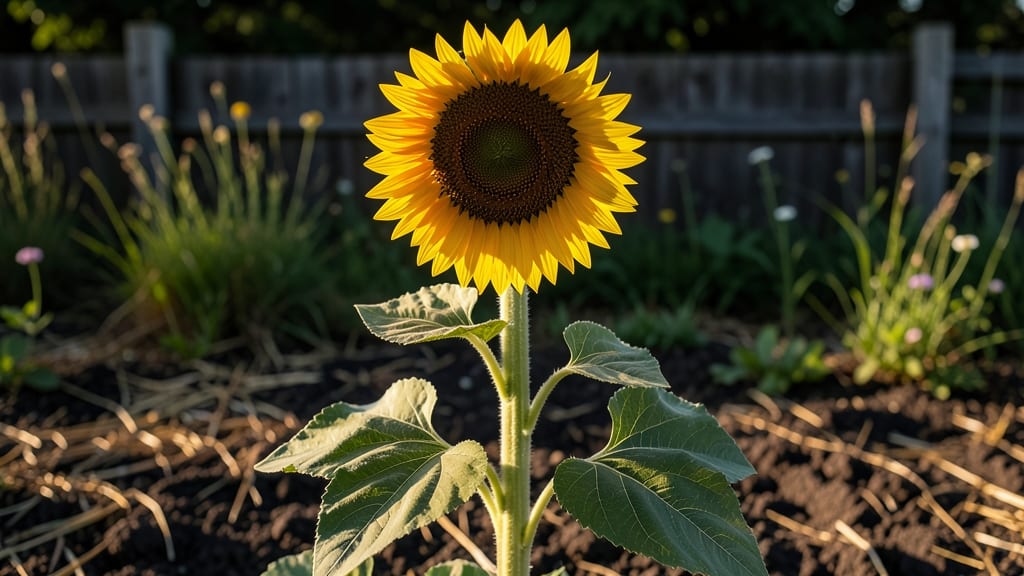
If you’ve ever dreamed of growing a mammoth sunflower with a size that could rival a small tree, you’re in for a surprise—these giants can soar to 12-16 feet tall, making them the ultimate showstoppers in any garden.
But before you sketch out your planting plan, knowing their exact size and how it varies is the key to giving them the room (and care) they crave.
These giants aren’t just tall—they grow 3-4 inches per day during peak season, so their size isn’t just impressive, it’s a full-blown commitment. Whether you’re in USDA Zone 6a or beyond, understanding how sunlight, soil, and spacing affect their height will help you grow the biggest, healthiest blooms possible.
From the towering ‘Mammoth Russian’ to the sturdy ‘American Giant,’ each variety has its own growth quirks. I’ll break down the best types for your space, plus the pro tips to push them even taller—like staking, fertilizing, and watering like a pro.
Ready to turn your garden into a sunflower skyline?
Let’s dive into how to maximize their size, avoid common mistakes, and get those giant blooms you’ve always wanted. Your garden’s next centerpiece starts here.


How tall do Mammoth sunflowers grow? Exact heights & growth stages
If you're dreaming of sunflowers that dwarf everything around them, Mammoth sunflowers are your answer. These giants can reach 12 to 16 feet tall, making them the tallest sunflower varieties available.
But their growth isn't just about height—it's also about speed and the right conditions to unlock their full potential. Understanding their growth stages and size range is the first step to growing these impressive plants successfully.
Mammoth sunflowers aren't just tall; they're fast growers. Under ideal conditions, they can shoot up 3 to 4 inches per day during their peak growth phase. This rapid growth means they'll go from a tiny seedling to a towering giant in just a few months.
However, their final height depends heavily on factors like sunlight exposure, soil quality, and water availability. Without these, even the hardiest Mammoth sunflower may fall short of its full potential.
Here's the key difference: while standard sunflower varieties typically max out at 4 to 6 feet, Mammoth sunflowers can easily double or triple that height. For example, a 'Russian Giant' variety can reach 14 to 16 feet, while 'American Giant' often tops out around 12 feet.
This dramatic difference means you'll need to plan your garden layout carefully to accommodate their massive stature.
🌻
| Growth Stage | Height Range | Timeframe | Key Features |
|---|---|---|---|
| Seedling | 0.5–2 ft | 0–3 weeks | First true leaves appear; fragile stem |
| Vegetative | 3–8 ft | 3–6 weeks | Rapid stem elongation; 3–4 inches/day |
| Budding | 8–12 ft | 6–8 weeks | Flower bud forms; stem thickens |
| Mature | 12–16 ft | 8–12 weeks | Full bloom; seeds develop; woody stem |
One of the most exciting aspects of growing Mammoth sunflowers is watching them sprout and grow at an astonishing rate. In just 6 to 8 weeks, a seedling can transform into a towering plant.
For example, by week 4, your sunflower might already be 3 feet tall, and by week 6, it could reach 6 to 8 feet.
This rapid growth means you'll need to monitor them closely, especially as they near their mature height, to ensure they have enough space and support.
Environmental factors play a huge role in determining how tall your Mammoth sunflowers will grow. Full sun exposure (at least 6 to 8 hours daily) is non-negotiable. Without enough sunlight, their growth will slow dramatically, and their stems may weaken.
Similarly, poor soil quality or nutrient deficiencies can stunt their height. Rich, well-draining soil with plenty of organic matter is essential for supporting their massive size.
Watering also makes a significant difference. Deep watering every 2 to 3 days during the growing season helps maintain their rapid growth rate. However, overwatering can lead to weak stems, while underwatering can cause the plant to struggle.
Finding the right balance is key to achieving those 12 to 16-foot heights. Additionally, mulching around the base of the plant helps retain moisture and keeps the roots cool, which is especially important in hot climates.
If you're comparing Mammoth sunflowers to other varieties, you'll notice a stark contrast. While dwarf sunflowers might only reach 1 to 3 feet, Mammoth varieties are designed to shatter height expectations.
For instance, the 'Russian Giant' is famous for its 14 to 16-foot stature, while 'Autumn Beauty' can still reach 10 to 12 feet. This makes them perfect for creating dramatic focal points in your garden or even for competitive growing.
🌿
To maximize their height, consider planting Mammoth sunflowers in deep, loose soil that allows their roots to spread and grow freely. Avoid compacted or rocky soil, as it can restrict root development and limit their growth potential.
Additionally, providing support stakes or cages early on can prevent the tall stems from bending or breaking under their own weight. This is especially important as they approach their peak height of 12 to 16 feet.
Another pro tip is to thin your seedlings early in the growing season. Overcrowding can lead to competition for nutrients and sunlight, which will stunt their growth. Aim to space your Mammoth sunflowers
Top 5 Mammoth sunflower varieties ranked by size & bloom power
If you're dreaming of sunflowers that rival small trees, you'll want to focus on the Mammoth varieties. These giants can reach heights of 12-16 feet with bloom diameters up to 14 inches.
But not all Mammoth sunflowers are created equal—some grow taller, others produce larger blooms, and a few even boast stunning autumn colors. Let's break down the top 5 varieties based on their size potential and visual impact.
Choosing the right variety depends on your garden space, climate, and aesthetic goals. Whether you want a towering giant for a focal point or a vibrant bloom for cutting, each of these varieties delivers in its own way.
Below, I’ve ranked them by their height, bloom diameter, and growth vigor to help you decide which will make the biggest statement in your garden.
The Mammoth Russian takes the top spot for sheer size, often reaching 16 feet with 10-12 inch blooms. This variety is a powerhouse in full sun conditions and thrives in USDA zones 4-9.
If you want a dramatic focal point, this is the variety to choose—just be prepared to stake it for support as it grows.
For those who prioritize bloom size over height, the American Giant is a close second. Its 12-14 inch flowers are perfect for cutting and drying, and it grows just as tall as the Mammoth Russian in ideal conditions.
This variety also boasts drought tolerance once established, making it a low-maintenance giant.
The Russian Giant is another excellent choice if you're limited on space but still want a towering sunflower. While slightly shorter than the Mammoth Russian, it’s more compact and produces bright yellow blooms that are sure to catch eyes. It’s also great for beginners due to its hardiness.
If you love seasonal color changes, Autumn Beauty is a must-plant. This variety starts with golden yellow blooms that transition to deep reds and oranges as fall approaches. While it’s the shortest on this list, its vibrant color show more than makes up for it.
Finally, Helianthus giganteus is a wildflower relative of the sunflower and offers a unique, airy look with multiple smaller blooms along each stem. It’s perfect for wildflower gardens or naturalized areas where you want a looser, more informal appearance.
While not as tall as the others, its prolific blooming makes it a standout.
No matter which variety you choose, give your Mammoth sunflowers plenty of space to grow—at least 2-3 feet between plants—and ensure they get full sun and well-draining soil. With the right care, you’ll have sunflowers that turn heads all summer long! 🌻