
Flowers
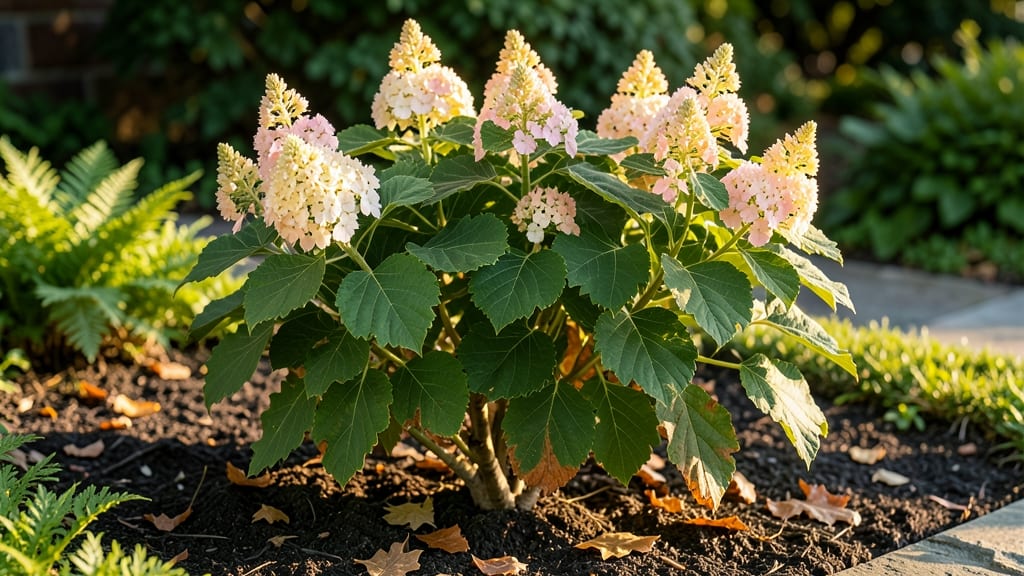
If you’ve ever dreamed of a garden that bursts with color year-round, the oakleaf hydrangea flower 🌸 is your secret weapon—its showstopping blooms in spring and fiery foliage in fall make it a perennial favorite.
But here’s the catch: without the right care, even this hardy shrub can struggle to live up to its potential.
I’ve spent years perfecting the art of growing oakleaf hydrangeas, and what I’ve learned is that sunlight, soil, and watering are the foundation of their success.
Get these three elements right, and you’ll unlock lush foliage, abundant blooms, and that coveted fall color that keeps your garden vibrant long after summer fades.
In this guide, I’ll walk you through everything from planting tips to seasonal care, so you can enjoy thriving plants that turn heads all year. Whether you’re a beginner or a seasoned gardener, these secrets will help your oakleaf hydrangea reach its full potential—no green thumb required.
Let’s dive in and turn your garden into a year-round masterpiece, one bloom at a time.
Oakleaf hydrangea flower care: sunlight, soil, and watering secrets for maximum blooms
The oakleaf hydrangea (Hydrangea quercifolia) thrives when you nail three key elements: sunlight, soil, and water. Unlike its mophead cousins, this native beauty rewards you with showy fall foliage that rivals its blooms.
But get these wrong, and you’ll end up with sparse flowers or sad, yellowing leaves. Let’s break down exactly what your oakleaf hydrangea needs to put on its best show every season.
First, sunlight exposure sets the stage for everything else. Too much scorching sun? Your leaves will crisp. Too little shade? You’ll miss out on those vibrant fall colors.
Oakleaf hydrangeas love morning sun and afternoon shade, making them perfect for east-facing gardens or spots with dappled light. Think of it like Goldilocks—you’re aiming for "just right."
Soil composition is where most gardeners trip up. These plants crave rich, acidic soil with good drainage. Amending your garden with compost and peat moss creates the ideal mix. If your soil is heavy clay, consider planting in a raised bed to prevent root rot. A quick soil test will tell you if you need to adjust pH—aim for 5.0 to 6.0 for those signature blue or pink blooms.
Now, let’s talk watering techniques. Oakleaf hydrangeas need consistent moisture, especially during their first year. Deep watering twice a week keeps roots happy without drowning them. The secret? Water at the base of the plant in the morning to prevent fungal issues.
Mulching with 2-3 inches of organic mulch locks in moisture and regulates soil temperature—just don’t let it touch the stems.
| Care Pillar | Key Requirement | Pro Tip |
|---|---|---|
| Sunlight | 4-6 hours morning sun | Avoid hot afternoon sun in Zone 7+ |
| Soil | Acidic (pH 5.0-6.0), well-draining | Mix 50% garden soil, 30% compost, 20% peat |
| Watering | 1-1.5 inches weekly | Use drip irrigation for consistent moisture |
| Fertilizer | Balanced 10-10-10 | Apply in early spring, avoid fall feeding |
| Mulch | 2-3 inches organic | Use pine straw for extra acidity |
If your oakleaf hydrangea leaves turn yellow, it’s usually a sign of overwatering or poor drainage. Let the top inch of soil dry out between waterings, and consider adding perlite to heavy soils.
For sparse blooms, check your pruning habits—these beauties bloom on old wood, so avoid cutting back until after flowering. A light feeding with Epsom salt (1 tbsp per gallon of water) can also boost flower production.
Don’t overlook the fall foliage potential—this is where oakleaf hydrangeas truly shine. The secret to brighter fall colors is proper late-summer care. Reduce watering slightly in August to stress the plant just enough to trigger those crimson and orange hues.
And if you’re in a colder zone, protect young plants with burlap wraps during harsh winters to prevent frost damage.
For container growing, choose pots at least 18 inches wide with drainage holes. Use a fast-draining potting mix and water more frequently than in-ground plants. Oakleaf hydrangeas in containers need extra winter protection—move them to a sheltered spot or wrap the pot in bubble wrap.
The key is keeping roots from freezing while allowing airflow to prevent rot.
Remember, oakleaf hydrangeas are low-maintenance once established, but those first few years are critical. Pay attention to how your plant responds to its environment—adjust sunlight spots if leaves scorch, or amend soil if growth stalls.
With the right care, your oakleaf hydrangea will reward you with season-long interest, from delicate spring blooms to fiery autumn foliage.
Start with these three pillars—sunlight, soil, and watering—and you’ll set your oakleaf hydrangea up for a lifetime of color. The best part? These care secrets work whether you’re growing one plant or creating a stunning shrub border. Happy gardening! 🌿
Pruning oakleaf hydrangeas: when, how, and why to avoid killing your plant’s color
Pruning your oakleaf hydrangea might seem intimidating, but it’s the secret to keeping those showstopping blooms and vibrant fall foliage year after year. Unlike other hydrangeas, oakleaf varieties bloom on old wood—meaning last year’s growth produces this year’s flowers.
Cut too much or at the wrong time, and you’ll sacrifice next season’s colorful display.
The good news? Oakleaf hydrangeas are forgiving. With the right timing and technique, you can shape your plant while preserving its natural beauty. The key lies in understanding when to prune and what to avoid.
Let’s dive into the steps that will keep your hydrangea thriving without sacrificing its signature oak-shaped leaves or season-long interest.
Cutting back oakleaf hydrangea flowers during dormancy (January-February) removes next year’s blooms, which form on old wood. Instead, prune immediately after flowering in late spring or early summer to encourage new growth while preserving fall foliage and next season’s blooms.
Start by gathering your tools: sharp bypass pruners for clean cuts, gloves to protect your hands, and a bucket for trimmings. Remove any dead, diseased, or crossing branches first—these compete with healthy growth and can spread problems.
For every cut, aim for a 45-degree angle just above a leaf node or outward-facing bud to encourage growth in the right direction.
Next, focus on thinning out the center of the plant to improve airflow and light penetration. Oakleaf hydrangeas can get dense over time, and crowded branches lead to fewer blooms and more pests.
Look for branches that are older than 3 years—these are safe to remove entirely, as they’ve already produced flowers. Just avoid cutting back more than one-third of the plant in a single year to prevent shock.
Timing is everything. The best time to prune is right after your hydrangea finishes blooming in late spring or early summer (June-July). This gives the plant time to set buds for next year’s flowers while still allowing you to shape it for the season.
Avoid pruning in fall or winter, as this can stimulate new growth that won’t harden off before frost, leading to winter damage.
Don’t forget about fall foliage—oakleaf hydrangeas are famous for their crimson and burgundy leaves, which develop in late summer and fall. Pruning too aggressively in late summer can reduce the intensity of fall color.
Instead, limit pruning to light shaping after the leaves have changed color but before the first frost. This keeps your plant healthy while preserving its seasonal spectacle.
With the right approach, pruning your oakleaf hydrangea becomes a rewarding ritual that enhances both its blooms and foliage. Follow these steps, and you’ll enjoy a lush, colorful plant that stays vibrant from spring to fall—and beyond. Happy pruning! 🌿✂️🍂