
Blooming
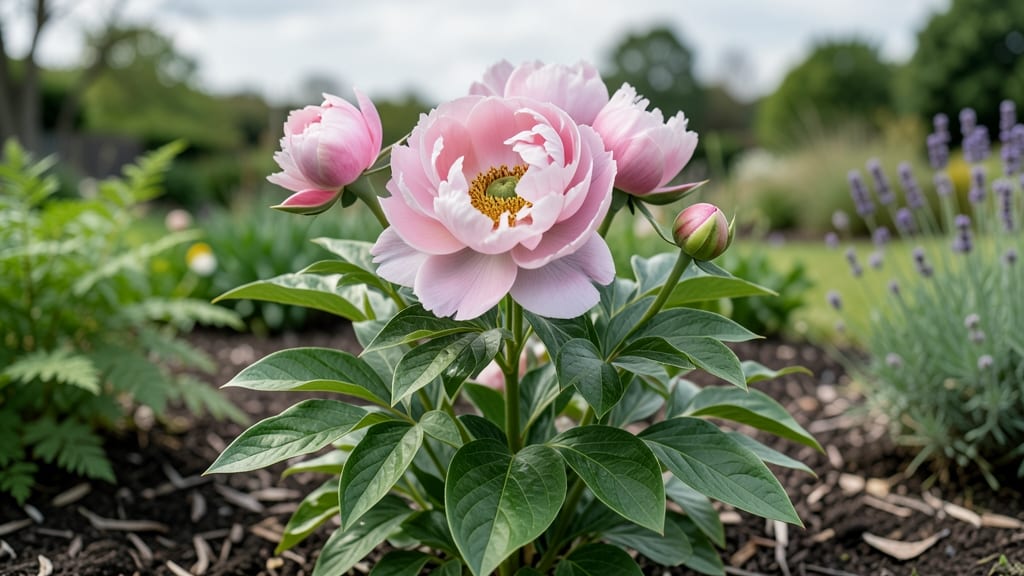
Most gardeners assume peonies bloom at the same time, but the truth is more nuanced. Planting in the wrong window—even by a few weeks—can delay blooms or leave them vulnerable to late frosts. The secret lies in understanding your zone's frost patterns and adjusting your schedule accordingly.
I’ve helped countless gardeners get their peonies to bloom reliably, and the key isn’t complicated: it’s all about fall planting in September or October. This timing lets roots establish before winter, so they’re ready to burst into color when spring arrives.
Ready to unlock the full potential of your peonies? Let’s dive into the exact planting schedule, care tweaks, and regional adjustments that will have your garden bursting with blooms year after year.
Peony planting months by USDA Zone: exact timing for frost-proof blooms
Peonies are one of the most beloved perennial flowers, but their planting timing makes all the difference between frost-proof blooms and disappointment. Unlike annuals, peonies need time to establish deep roots before winter—typically 6-8 weeks—to survive freezing temperatures.
The best planting window varies dramatically by USDA zone, soil temperature, and local frost patterns. Let’s break down the exact months and conditions for each zone to ensure your peonies thrive.
In most regions, peonies should be planted in early fall, giving roots time to anchor before winter dormancy. However, zones with early frosts (like Zone 3) require earlier planting, while warmer zones (Zone 8+) can extend the window into late fall.
The key is soil temperature: aim for 50-60°F (10-15°C)—cool enough to slow top growth but warm enough for root development. Below 40°F (4°C), roots struggle to establish, increasing frost damage risk.
| USDA Zone | Ideal Planting Month | Soil Temp Threshold | Frost Risk | Notes |
|---|---|---|---|---|
| Zone 3 (-40°F to -30°F) | Late August to mid-September | 50-55°F (10-13°C) | High early frost risk | Plant 4-6 weeks before first frost; mulch heavily. |
| Zone 4 (-30°F to -20°F) | September (early to mid) | 50-58°F (10-14°C) | Moderate frost risk | Avoid planting after October 1 in most areas. |
| Zone 5 (-20°F to -10°F) | September-October | 55-60°F (13-15°C) | Low frost risk | Flexible window; October 15 cutoff for most. |
| Zone 6 (-10°F to 0°F) | September-November | 58-62°F (14-17°C) | Minimal frost risk | Can plant bare-root peonies into early November. |
| Zone 7 (0°F to 10°F) | October-November | 60-65°F (15-18°C) | Rare frost | Extend to December 1 in mild microclimates. |
| Zone 8 (10°F to 20°F) | November-December | 62-68°F (17-20°C) | Frost-free | Plant container peonies anytime; roots establish slower. |
For gardeners in Zone 3 or 4, where frosts can arrive as early as September 15, timing is critical. Plant bare-root peonies by late August to ensure roots have 4-6 weeks to establish before the ground freezes.
In these zones, mulching with straw or leaves (3-4 inches) after planting adds insulation. Conversely, Zone 8+ gardeners can plant into December, but avoid soggy soil—peonies hate waterlogged roots.
Regional adjustments matter too. If you’re in a high-altitude Zone 5 (like Colorado Springs), plant 2 weeks earlier than the table suggests—cooler nights accelerate frost. Meanwhile, coastal Zone 6 areas (e.g., Oregon) can extend planting to November 15 thanks to milder winters.
Always check your local frost dates using the National Weather Service or Almanac for precision.
One common mistake is planting peonies too deep—burying the crown more than 2 inches below soil can rot the buds. The eyes (growth points) should sit 1-2 inches underground for optimal blooming.
Pair this with well-draining soil (amend with compost if needed) and full sun exposure (6+ hours daily) to maximize root growth before winter. In
How to time peony planting for peak bloom performance
Timing your peony planting is the secret to vibrant blooms that arrive reliably each spring. Unlike many perennials, peonies need time to establish roots before winter—plant too early, and they’ll struggle; too late, and frost can damage tender growth.
The ideal window is late summer to early fall, but the exact timing depends on your USDA zone and local climate cues.
I’ve learned from years of trial-and-error gardening that peonies thrive when planted after the soil cools but before the ground freezes. This balance ensures roots grow strong enough to withstand winter while avoiding summer heat stress.
For most gardeners in zones 3-8, this means aiming for September through October, but regional adjustments are key.
⚠️ CRITICAL PLANTING WARNING ⚠️
- Planting too early (before 60°F soil temps) risks rot from lingering summer heat.
- Planting too late (after first frost) leaves roots vulnerable to winter freeze damage.
- Burying the crown too deep (>2 inches) causes stem rot and weak blooms.
- Disturbing roots during transplanting stresses peonies, delaying first-year blooms.
For bare-root peonies, the timing is more flexible but still critical. These arrive dormant in fall, so plant them as soon as you receive them—ideally within 1-2 weeks—to prevent root desiccation.
Dig a trench 18-24 inches deep and wide enough to spread roots naturally, then backfill with native soil mixed with compost for drainage.
Container-grown peonies, however, demand a slightly different approach. Since their roots are already established, you can plant them 1-2 weeks earlier than bare-root varieties (around mid-August in most zones).
The key is ensuring the root ball stays moist until roots integrate with garden soil—water deeply every 5-7 days until new growth appears.
Seasonal cues like rainfall patterns and moon phases can refine your timing further. I’ve found that planting after a light rain (when soil is moist but not soggy) reduces transplant shock.
Similarly, aligning with the waning gibbous moon (7 days before the new moon) encourages root development—a trick passed down from generations of gardeners.
Finally, avoid the common mistake of planting peonies in spring. While they’ll survive, they’ll struggle to establish roots before summer heat sets in, often resulting in poor blooms or no flowers the first year.
With the right timing—cool soil, proper depth, and seasonal cues—your peonies will reward you with lush, long-lasting blooms for decades.