
Flowers
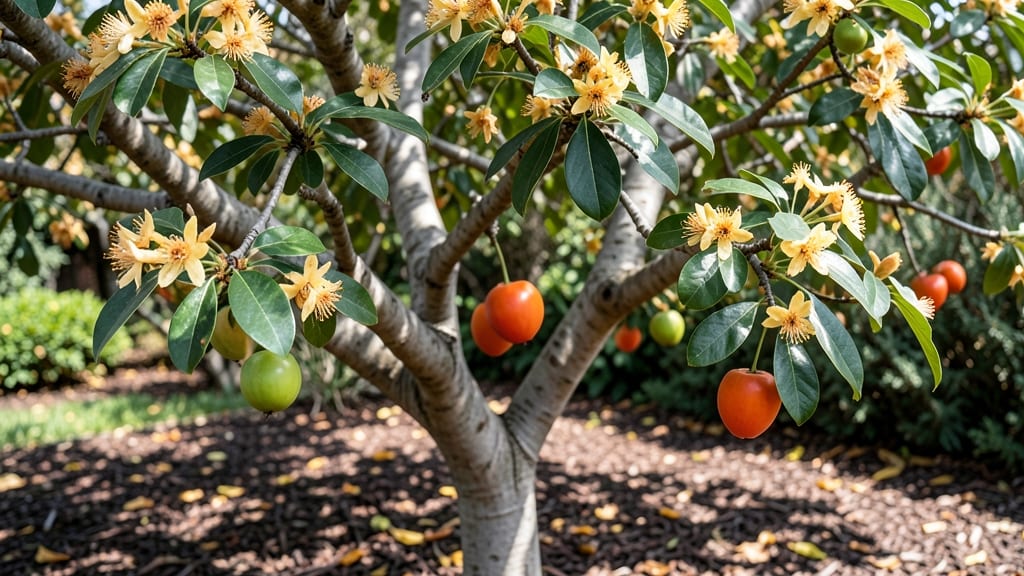
Transforming a persimmon flower 🍊 into a sweet, ripe fruit is one of nature’s most rewarding processes—but without the right steps, you might miss out on a harvest.
The journey from blossom to fruit depends on precise timing, pollination, and care, especially in USDA Zone 6, where seasons shift quickly.
I’ve watched persimmon trees go from delicate spring blooms to heavy branches bending under fruit, and the key difference? Understanding when to step in—and when to let nature take over.
Whether you’re dealing with hand-pollination or waiting for bees to do the work, each stage demands attention to water, pruning, and even temperature shifts that can make or break your crop.
In this guide, I’ll walk you through the exact stages—from flower opening to fruit ripening—so you can troubleshoot common issues like fruit drop or poor pollination before they happen. With the right approach, you’ll go from fast growth to a harvest-ready tree in just a few months.
Ready to turn those blossoms into a bounty? Let’s break down the science (and secrets) behind turning persimmon flowers into the juicy fruit you’ve been dreaming of.
Persimmon flower to fruit: step-by-step growth stages with timing
Watching your persimmon tree bloom into fruit is one of the most rewarding parts of growing these trees. But did you know each stage—from flowering to harvest—depends on precise timing and environmental conditions?
Understanding these phases helps you maximize fruit production and avoid common pitfalls like poor pollination or early fruit drop.
For varieties like Fuyu and Hachiya, the journey from flower to ripe fruit spans 6-9 months, with critical checkpoints where temperature, sunlight, and even humidity play starring roles. Let’s break down each stage so you can nurture your tree through every step toward a sweet harvest.
🌸 Step-by-Step Persimmon Growth Timeline
-
Stage 1: Flowering (Late Spring)
April-May | USDA Zone 6-9Bright yellow-orange flowers appear after 5-7 years for mature trees. Honeybees and native pollinators are essential—hand-pollinate if needed in cool or rainy regions.
-
Stage 2: Fruit Set (Early Summer)
May-June | 60-75°F idealPetals fall, leaving tiny green fruits. Thin excess fruit to 6-8 inches apart to prevent overcrowding. Drought stress here causes fruit drop.
-
Stage 3: Rapid Growth (Summer)
July-August | Full sun requiredFruits swell quickly—Fuyu turns orange, Hachiya stays green. Maintain consistent moisture (1-2 inches/week) and mulch to retain soil warmth.
-
Stage 4: Maturation (Fall)
September-October | Cooler temps trigger sweeteningAstringent varieties (Hachiya) harden; non-astringent (Fuyu) soften. Watch for color change and fruit yielding when pressed—key harvest cues!
-
Stage 5: Harvest (Late Fall)
October-November | First frost riskPick Hachiya when fully orange and firm; Fuyu when soft like a tomato. Store in cool, dry conditions to ripen further.
Each stage demands attention to environmental cues. For example, Hachiya persimmons need colder nights (below 50°F) to develop their signature astringency, while Fuyu varieties ripen faster in warmer climates. If your region has unpredictable spring temps, consider planting both varieties to extend your harvest window.
One common challenge is fruit drop during Stage 2 or 3, often caused by inconsistent watering or nutrient deficiencies. To prevent this, apply a balanced fertilizer (10-10-10) in early spring and mulch heavily to lock in moisture.
If you notice leaves yellowing or fruits shriveling, adjust your care immediately—these are early warning signs!
Sunlight is non-negotiable at every stage. Persimmon trees thrive in full sun (6+ hours/day), but partial shade can delay fruit set. If your tree is in a new location with limited sunlight, expect smaller yields or slower maturation. Prune nearby trees or structures to ensure unobstructed light access.
Humidity also plays a subtle but critical role. High humidity during flowering can deter pollinators, while dry conditions in summer may cause fruit to split. Monitor your local humidity levels and adjust watering accordingly—aim for 40-60% humidity during peak growth months to support healthy fruit development.
For hand-pollination, use a small brush to transfer pollen between flowers on cloudy or windless days. Focus on morning hours when flowers are fully open. This technique is especially useful for isolated trees or regions with low pollinator activity.
Even a few hand-pollinated flowers can mean the difference between a sparse harvest and a tree heavy with fruit.
Finally, patience is key—especially for Hachiya persimmons, which can take up to 200 days to ripen after flowering. Avoid picking fruit too early, even if it looks ripe. Overripe persimmons will be mushy and lack sweetness, while underripe ones remain astringent and inedible.
Use the "thumb test": press gently—if it yields slightly, it’s ready!
By following these stages and adjusting for your local climate, you’ll turn your persimmon tree into a fruit-bearing powerhouse. Happy growing—and may your harvest be plentiful! 🍊
How to boost persimmon fruit development: pollination tips and common pitfalls
Persimmon trees rely on precise pollination to turn their showy orange blossoms into sweet, edible fruit. Without proper pollination, you might end up with empty flowers or tiny, undeveloped fruits.
The good news? You can take control with a few simple strategies—especially if your tree is in a low-pollinator area or if you’re growing cross-pollinating varieties like 'Hachiya'.
First, identify whether your persimmon is self-pollinating (like 'Fuyu') or needs a partner tree (like 'Hachiya'). Self-pollinating types can set fruit alone, but cross-pollinating varieties require bee activity or manual help.
If you’re in USDA Zone 6, early spring blooms might coincide with cold snaps, delaying pollinator visits—so being proactive is key.
Here’s the breakdown of how to maximize your chances of success, including when to step in and when to let nature handle it.
✅ Pros of Hand-Pollination
- Guaranteed fruit set in low-bee areas
- Control over pollination timing for ideal conditions
- Works for cross-pollinating varieties like 'Hachiya'
- No reliance on weather or pollinator availability
❌ Cons of Hand-Pollination
- Time-consuming for large trees
- Requires precise timing—flowers must be open
- No natural genetic diversity in offspring
- Risk of over-pollinating if done incorrectly
🌿 Natural Pollination Pros & Cons
Pros:
- Free and effortless
- Encourages genetic diversity
- Supports local ecosystems
Cons:
- Weather-dependent
- Risk of poor pollination in cold springs
- No control over success
If you’re hand-pollinating, start by selecting healthy flowers with fully opened petals. Use a small paintbrush or cotton swab to transfer pollen from the male stamens to the female stigma—look for the sticky center of the flower.
Do this on a dry, sunny morning when flowers are fresh. For large trees, focus on 20-30 flowers per branch to avoid overburdening the tree.
Another game-changer is companion planting. Place bee-friendly plants like lavender, borage, or sunflowers near your persimmon tree to attract pollinators. Avoid over-fertilizing with high-nitrogen mixes, as this can reduce flower production and shift energy toward foliage instead of fruit.
Stick to a balanced 10-10-10 fertilizer in early spring to encourage blooms without excess growth.
Watch for warning signs of failed pollination: small, misshapen fruits or flowers that drop without setting fruit. If this happens, revisit your pollination strategy—hand-pollinate again or check for pest interference like Japanese beetles, which can damage flowers.
With the right approach, your persimmon tree can go from blossoms to bounty in just a few months.
🌱