
Blooming
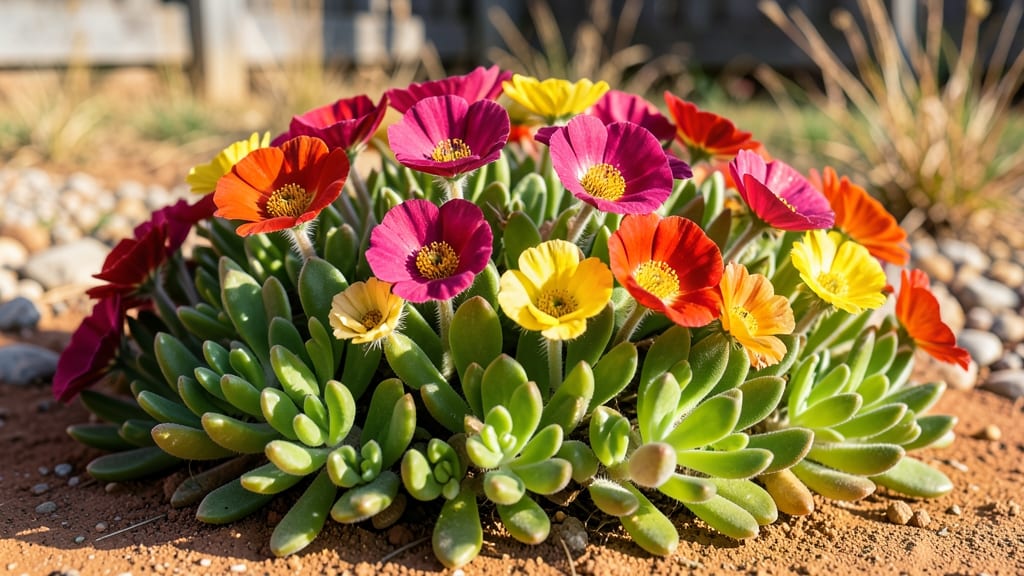
If you’ve ever dreamed of a garden bursting with sun-kissed blooms that laugh in the face of summer heat, the portulaca flower season is your secret weapon—but knowing its exact bloom season is the key to unlocking that vibrant display.
This cheerful annual thrives when planted in late spring to early summer, delivering its signature pop of color from summer right through early fall in USDA Zone 6a and warmer regions.
Unlike finicky flowers, Portulaca doesn’t just survive the heat—it thrives in it, making it the perfect low-maintenance star for sunny spots.
What if I told you there’s a way to stretch those blooms even longer? From choosing the right planting window to clever care tricks, you’ll discover how to keep your Portulaca 🌸 in full, happy bloom for weeks beyond its natural season.
Whether you’re a seasoned gardener or just starting out, these insights will help you maximize every petal and turn your garden into a summer-long spectacle—without the fuss.
Portulaca flower season by USDA zone: when to plant for peak blooms
Timing your portulaca planting is the secret to unlocking months of vibrant blooms—especially since these sun-loving flowers thrive in hot, dry conditions that many plants avoid.
In USDA zones 3-11, the right planting window ensures your moss rose flowers burst into color from early summer through fall, with some varieties even reblooming if cared for properly.
Unlike frost-sensitive annuals, portulaca's heat tolerance means it can handle 90°F+ temperatures without wilting, but its germination requirements demand warm soil. The key is planting after your last frost date when soil temps hit at least 60°F.
Let's break down the perfect planting schedule by zone to maximize your bloom season.
| USDA Zone | Best Planting Window | Bloom Period | Extended Bloom Tip |
|---|---|---|---|
| Zones 3-5 | Mid-May to early June | July through September | Start seeds indoors in March for earlier blooms |
| Zones 6-7 | Late April to mid-May | June through October | Sow successive plantings every 2 weeks for continuous color |
| Zones 8-9 | March to early April | April through November | Plant in fall (October) for winter blooms in mild winters |
| Zones 10-11 | Year-round (best in fall/winter) | Year-round with proper care | Provide afternoon shade in extreme heat (100°F+) |
In cooler zones (3-5), I always recommend starting seeds indoors 4-6 weeks before your last frost date. Portulaca germinates quickly—often within 5-7 days—but needs warmth to sprout.
Use a heat mat if your home stays chilly. Once seedlings have 2-3 true leaves, they're ready for transplanting after soil warms.
For gardeners in zones 6-7, the magic happens with successive planting. Sow seeds every 2 weeks from April through June to stagger blooms. This creates a continuous display from early summer through October.
I've found that direct sowing works best—portulaca hates transplant shock—so skip the nursery starts unless you're in a hurry.
In warmer climates (zones 8-11), portulaca becomes a year-round performer. Plant in early spring for summer blooms, then again in late summer for fall color. In zone 10+, you can even grow it as a perennial if protected from winter rains.
Just remember: these plants love the heat but can bolt in extreme conditions, so provide afternoon shade during heatwaves.
One of my favorite pro tips for extending blooms is deadheading. Snip off spent flowers daily (yes, daily!) to encourage new buds. Portulaca's self-cleaning habit means many flowers drop on their own, but aggressive deadheading can push your bloom season 2-3 weeks longer.
Pair this with light fertilization every 4-6 weeks during active growth, and you'll get non-stop color.
Don't overlook container growing—portulaca thrives in pots and makes stunning spiller plants. In zones 3-5, bring containers indoors before frost or use heated grow lights to coax winter blooms.
The secret? Keep them in bright light and water sparingly—these plants store water in their leaves, so overwatering kills them faster than cold.
For maximum impact, plant portulaca near heat-loving companions like lantana, zinnia, or verbena. These plants share similar water and sunlight needs, creating a low-maintenance, high-reward summer garden.
And if you're in zone 10+, try growing it alongside succulents for a desert-inspired look that thrives year-round.
Remember: portulaca's bloom season depends on three key factors: warm soil, full sun, and minimal water. Get these right, and you'll enjoy bright, cheerful blooms from summer through fall—with the potential for winter color in warmer zones.
Start planning your planting schedule now, and let these sun-loving stars steal the show in your garden! 🌸☀️
Heat tolerance secrets: how portulaca flowers survive extreme summer conditions
Portulaca flowers, also known as moss roses, are nature's perfect summer survivors. Their succulent-like leaves store water efficiently, while their shallow root systems absorb moisture quickly from brief summer rains.
This adaptation allows them to thrive in temperatures above 80°F (27°C), making them ideal for hot, arid climates where many flowers would wilt.
The secret lies in their C4 photosynthetic pathway, which minimizes water loss while maximizing growth. Unlike many plants that close their stomata in heat, portulaca keeps them open to absorb CO2 efficiently even when temperatures soar.
This biological advantage translates to continuous blooms from early summer through fall in USDA zones 7-11.
To leverage this heat tolerance, plant portulaca in full sun locations with well-draining soil. Their ability to handle intense afternoon sun means they won't need afternoon shade like many other summer flowers. In fact, more sunlight produces brighter blooms and denser foliage.
For year-round blooms in warm climates, I recommend successive planting every 4-6 weeks. Since portulaca matures quickly (30-45 days to bloom), new plantings will keep flowers appearing until first frost. This strategy works particularly well in USDA zones 9-11 where winters are mild.
Watering is surprisingly low-maintenance - deep but infrequent watering every 2-3 days during peak heat is all they need. Their succulent leaves store moisture, so overwatering causes root rot. In container gardens, I've found they thrive with just 100-200ml of water every 2 days during summer.
Even in 100°F+ (38°C+) conditions, portulaca continues blooming because their thick cuticles prevent water loss. This makes them perfect for rooftop gardens, container displays, or xeriscapes where water conservation is critical. Their heat tolerance isn't just survival - it's performance under pressure that other flowers can't match.