
Flowers
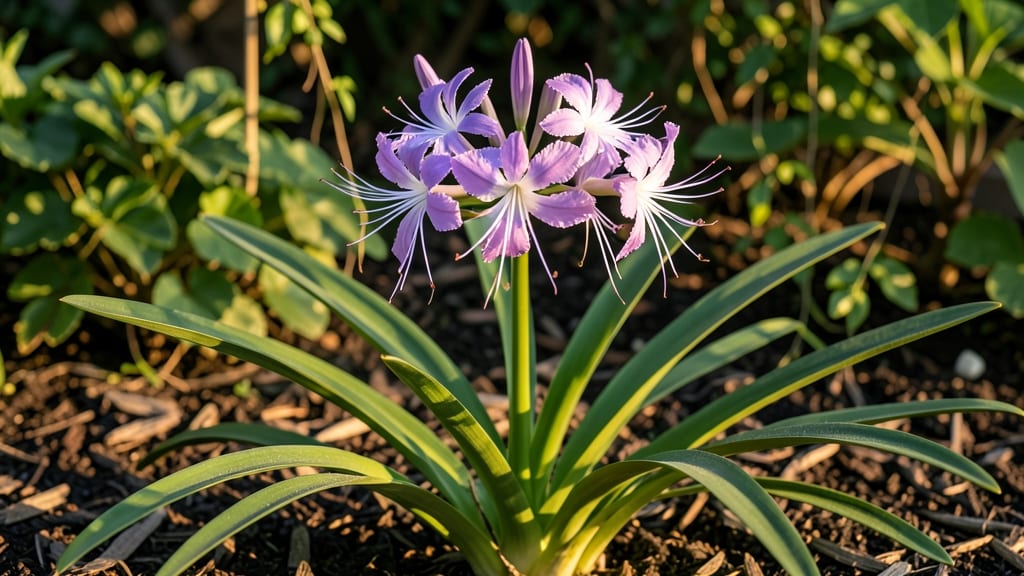
The moment you spot purple flowers that open and close in your garden, you’re witnessing nature’s own choreography—petals unfurling like clockwork by day and retreating by night.
These blooms aren’t just stunning; they follow precise rhythms tied to sunlight, temperature, and even moonlight, creating a dynamic show that changes with the hours.
Imagine a garden where Four O’Clocks (Mirabilis jalapa)🌸 unfurls its trumpet-shaped blooms as the sun dips, or Moonflowers (Ipomoea alba) burst open under the moon’s glow. These aren’t just pretty faces—they’re living timepieces, adding movement and magic to your outdoor space.
Whether you’re designing a moonlit patio or a sun-drenched border, these flowers bring a rhythmic dance that no static bloom can match.
But here’s the secret: pairing them right makes all the difference. Plant Evening Primrose alongside silver foliage to make its purple petals pop, or tuck Nyctaginaceae varieties into containers for a portable nighttime spectacle.
The key is understanding their blooming windows—some open at dawn, others at dusk—and arranging them so your garden stays lively from sunrise to starlight.
Ready to transform your space into a living clock? I’ll show you 12 top purple flowers with dramatic opening-and-closing habits, plus pro tips to keep them performing their best. Let’s get your garden in sync with nature’s timing.
How light and temperature control purple flowers’ opening and closing cycles
There’s something magical about watching purple flowers unfurl their petals with the sunrise and tuck them away by dusk. This rhythmic behavior, called nyctinastic movement, isn’t random—it’s a finely tuned response to light exposure, temperature shifts, and even humidity levels.
Understanding these triggers helps you create a garden where these blooms perform their daily dance flawlessly.
At the heart of this phenomenon is photoperiodism, a plant’s internal clock that measures daylight length. Circadian rhythms further refine this timing, ensuring flowers open at dawn and close as evening approaches.
For example, Four O’Clock flowers (Mirabilis jalapa) famously bloom around 4 PM, while morning glories (Ipomoea) open early and fade by midday. Temperature plays a supporting role, with cooler nights often prompting faster closure.
Humidity also influences these movements—dry air can cause petals to close prematurely, while moisture helps them stay open longer. This is why evening primroses (Oenothera) in humid climates might linger open well into the night, creating a stunning twilight display. By mastering these factors, you can coax your purple blooms into perfect synchronization.
Here’s how these environmental cues interact to control blooming cycles in your favorite purple flowers:
| Plant | Peak Bloom Time | Light Trigger | Temperature Range | Humidity Impact |
|---|---|---|---|---|
| Four O’Clock (Mirabilis jalapa) | 4 PM - 8 PM | 6+ hours daylight | 60°F - 85°F | Dry air = early closure |
| Moonflower (Ipomoea alba) | Dusk - Midnight | Full sun exposure | 70°F - 90°F | High humidity = longer bloom |
| Evening Primrose (Oenothera) | Late afternoon - Night | 5-6 hours daylight | 55°F - 75°F | Moderate moisture = best display |
| Petunia (Petunia × atkinsiana) | Morning - Early afternoon | 4-6 hours morning sun | 65°F - 80°F | Low humidity = wilting risk |
| Morning Glory (Ipomoea purpurea) | 6 AM - 10 AM | Full sun required | 60°F - 85°F | Wind = premature closure |
The photoperiod (day length) sets the basic rhythm, but temperature fluctuations fine-tune the timing. For instance, a sudden drop below 60°F can accelerate closure in Four O’Clocks, while consistent warmth keeps Moonflowers open later.
This is why these plants thrive in regions with predictable seasonal changes—like USDA Zones 7-10—where their internal clocks align with natural light cycles.
You can influence these patterns by adjusting your garden’s microclimate. Planting purple nyctinastic flowers near reflective surfaces (like light-colored gravel or water features) extends daylight hours, encouraging longer bloom times.
Conversely, positioning them in shaded areas during peak afternoon sun can help them close more gradually, creating a softer transition from day to night.
Temperature also affects the intensity of color. Cooler mornings enhance the vibrant purple hues in evening primroses, while afternoon heat can cause Petunias to fade prematurely. To combat this, provide afternoon shade during summer months using lightweight shade cloth or strategically placed trellises.
This simple adjustment can make your purple blooms last hours longer each day.
Don’t overlook the role of humidity in preserving petal integrity. In dry climates, misting plants in the early morning can mimic natural dew, helping Four O’Clocks maintain their structural integrity.
For container gardens, use self-watering pots to stabilize moisture levels—this prevents the abrupt closure you might see when roots dry out suddenly.
To create a synchronized blooming display, group plants with similar light requirements. For example, pair Moonflowers (which need full sun) with evening primroses (which tolerate partial shade) in the same bed. This ensures their opening and closing cycles complement each other, creating a mesmerizing visual sequence throughout the day.
Experiment with placement to discover what works best in your climate. Keep a garden journal noting when flowers open and close each day—this data will help you refine your approach year after year.
With these insights, your purple blooms will perform their daily ballet with precision, turning your garden into a living work of art.
12 Best purple flowers with dramatic daily blooming rhythms (ranked by spectacle)
There’s something magical about purple flowers that open their petals like clockwork—some greeting the morning sun while others wait for the evening’s cool embrace. These nyctinastic blooms aren’t just visually stunning; they transform your garden into a living timepiece.
Whether you’re designing a moonlit patio or a sun-drenched border, these 12 purple varieties will steal the show with their rhythmic displays.
From the fragrant Four O’Clock (Mirabilis jalapa), which unfurls its trumpet-shaped blooms as daylight fades, to the bold Moonflower (Ipomoea alba) that opens only under the night sky, each flower has its own blooming ritual.
Below, I’ve ranked them by spectacle, pairing each with the ideal conditions to maximize their dramatic daily performances.
At the top of the list is the Moonflower (Ipomoea alba), a night-blooming beauty that opens its large, fragrant blooms only after sunset. Its white-purple petals glow under moonlight, making it perfect for moon gardens or trellises near patios.
For drought-tolerant gardens, the Four O’Clock (Mirabilis jalapa) is a standout—its trumpet-shaped flowers unfurl as the sun sets, releasing a sweet evening scent.
The Evening Primrose (Oenothera) is a daytime-to-dusk performer, opening its bi-color purple-yellow blooms in late afternoon and closing by nightfall. It’s incredibly low-maintenance and thrives in poor soils, making it ideal for wildflower meadows or cottage gardens.
If you prefer daytime drama, the Purple Hibiscus (Hibiscus moscheutos) delivers with its bold, dinner-plate flowers that open in the morning and last until evening.
To create a synchronized blooming display, pair these flowers with complementary plants like silver foliage (Lavender or Dusty Miller) to highlight their purple hues.
For containers, opt for compact varieties like Petunias or Dwarf Hibiscus, and place them where you can watch their daily rhythms unfold—whether that’s a morning coffee spot or an evening reading nook.
Pro tip: Water in the morning to keep blooms hydrated for their evening shows, and avoid over-fertilizing, which can disrupt their natural nyctinastic cycles. With the right placement and care, your garden will become a living clock, where every purple bloom tells its own story.