
Flowers
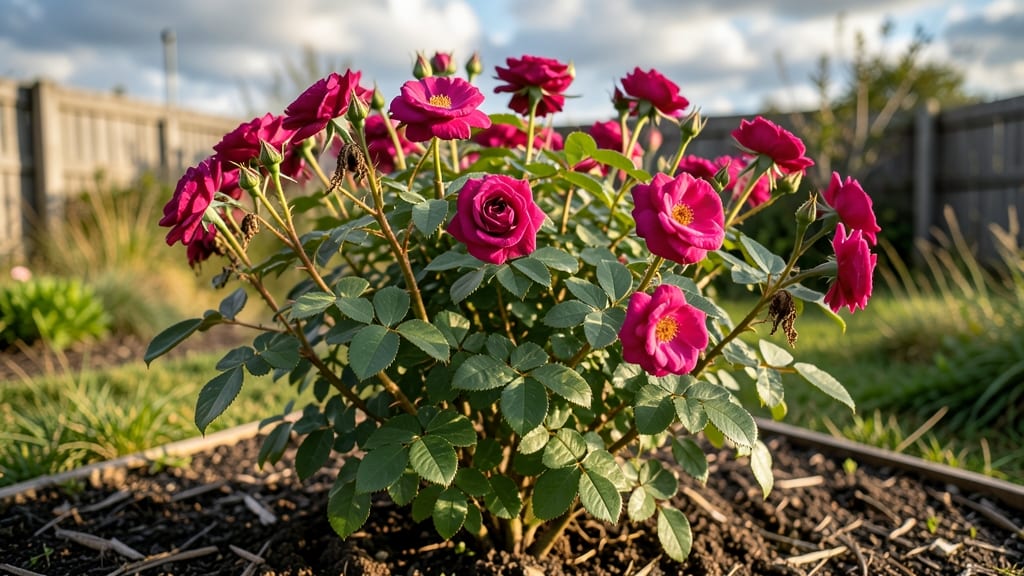
Did you know the rose flower height of a single variety can stretch from a delicate 1-foot shrub to a towering 10-foot climber? Mastering rose flower height isn’t just about choosing the right plant—it’s the foundation for pruning, spacing, and even preventing disease.
Whether you’re designing a cottage garden or battling unruly vines, understanding your rose’s mature height saves time and headaches.
Some roses grow like wildfire, while others stay compact—yet both need the same care. The key lies in knowing your variety’s growth patterns, from dwarf 🌹 roses that barely reach your knee to climbers that need a trellis to reach the sky.
I’ll break down how sunlight, soil, and pruning techniques can push your roses toward their full potential—or keep them neatly contained.
But here’s the catch: prune a 6-foot shrub like a 2-foot dwarf, and you’ll either end up with a leggy mess or stunted blooms. Get it right, though, and you’ll enjoy roses that thrive year after year.
Let’s dive into the science of rose height—so you can grow what you love, exactly the way you want it.
Ready to transform your garden? We’ll cover everything from variety-specific growth charts to seasonal pruning tricks that keep your roses at the perfect height. No more guessing—just healthy, beautiful roses that fit your space and your style.

Rose flower height by variety: growth charts for 15+ common cultivars
Choosing the right rose variety isn't just about color or fragrance—it's about understanding their mature height ranges. A climbing rose like 'New Dawn' can reach 10+ feet while a miniature rose like 'Fairy' stays under 2 feet.
These differences affect everything from garden layout to pruning schedules. Knowing your rose's growth potential helps you space plants properly, avoid overcrowding, and maintain healthy air circulation to prevent disease.
Most roses reach 70-80% of their mature height by their second growing season. For example, a shrub rose like 'Knock Out' will hit 3-4 feet quickly, while a hybrid tea like 'Double Delight' may take 3 years to reach its 4-5 foot maximum.
Seasonal growth varies too—expect 12-18 inches of new growth annually in ideal conditions, with slower growth in cooler climates.
Here's where variety matters most. Some roses naturally stay compact, while others need structural support or aggressive pruning to control their height. The table below compares 15+ popular roses, including their mature heights, growth rates, and ideal pruning windows.
Use this as your guide for selecting roses that fit your garden's scale and your maintenance preferences.
| Variety | Type | Mature Height | Growth Rate | Pruning Window | Best For |
|---|---|---|---|---|---|
| Fairy | Miniature | 1-2 ft | 6-12 in/year | Late winter | Containers, borders |
| Playboy | Miniature | 1.5-2.5 ft | 8-14 in/year | Late winter | Rock gardens, fairy gardens |
| Knock Out | Shrub | 3-4 ft | 12-18 in/year | Early spring | Hedges, low fences |
| Dr. Huey | Shrub | 3-5 ft | 12-20 in/year | Early spring | Foundation planting |
| Double Delight | Hybrid Tea | 4-5 ft | 10-16 in/year | Late winter | Cut flowers |
| Mister Lincoln | Hybrid Tea | 4-6 ft | 12-18 in/year | Late winter | Cut flowers, bouquets |
| New Dawn | Climbing | 10-15 ft | 24-36 in/year | Early spring | Arbors, trellises |
| Blaze | Climbing | 8-12 ft | 20-30 in/year | Early spring | Perennial climbs |
| Iceberg | Shrub | 4-6 ft | 12-18 in/year | Late winter | Bushes, borders |
| John Cabot | Climbing | 10-12 ft | 24-36 in/year | Early spring | Arbors, pergolas |
| David Austin English Rose | Shrub | 3-5 ft | 10-16 in/year | Late winter | Cottage gardens |
| Queen Elizabeth | Floribunda | 3-5 ft | 12-18 in/year | Late winter | Mass planting |
| Zephirine Drouhin | Climbing | 15-20 ft | 30-40 in/year | Early spring | Large structures |
| Bonica | Shrub | 3-4 ft | 12-18 in/year | Early spring | Low-maintenance gardens |
| The Fairy | Miniature | 1-2 ft | 4-8 in/year | Late winter | Window boxes |
| Eden | Shrub | 4-6 ft | 12-20 in/year | Early spring | Privacy screens |
When planning your rose garden, consider how height impacts pruning needs.
How rose height affects pruning techniques: a step-by-step guide
Pruning roses isn’t one-size-fits-all—your rose flower height determines everything from cutting angles to seasonal timing. A 3-foot dwarf needs gentle shaping, while a 10-foot climber requires structural pruning to avoid collapse.
I’ve seen gardeners struggle because they treated all roses the same, leading to leggy growth or weak stems. The secret? Tailoring your approach to your rose’s mature height category.
First, categorize your roses into three height groups: under 3 feet, 3–6 feet, and over 6 feet. Each group has distinct pruning goals—dwarf roses focus on bush density, mid-height shrubs balance structure and blooms, and tall varieties prioritize airflow and support.
Skipping this step often results in over-pruned dwarfs or under-supported climbers. Let’s break down the exact techniques for each.
Step-by-Step Pruning by Rose Height
- 1 Under 3 ft (Dwarf Roses): Prune in early spring to shape, cutting just above an outward-facing leaf bud. Avoid heavy cuts—these roses bloom on old and new wood, so remove only dead or crossing canes. Use bypass pruners for clean cuts.
- 2 3–6 ft (Shrub Roses): Prune in late winter to encourage new growth. Cut back 1/3 of the oldest canes to the ground and shorten others by 1/2 their height. Focus on removing sick canes and thinning the center for better airflow. Use loppers for thicker stems.
- 3 Over 6 ft (Climbing Roses): Prune in early spring to train vines. Remove weak or tangled canes entirely and shorten others to 3–5 buds from strong growth points. Install support structures (trellises, arbors) before pruning. Use pruning saws for thick stems.
-
4
Seasonal Timing:
- Spring: Prune before buds swell (Zone 6a: March–April).
- Summer: Lightly deadhead after blooms to encourage reblooming.
- Fall: Avoid heavy pruning—focus on cleaning up debris to prevent disease.
-
5
Tools You’ll Need:
- Bypass pruners (for thin stems)
- Loppers (for thick canes)
- Pruning saw (for over 6 ft canes)
- Disinfectant (to prevent disease)
One common mistake I see is pruning hybrid tea roses (which bloom on new wood) like climbing roses (which bloom on old wood). The result? Fewer blooms or stunted growth. Always check your variety’s blooming habit before pruning.
For example, Floribunda roses (3–5 ft) need moderate pruning to encourage clusters, while Grandiflora roses (5–6 ft) require heavier cuts to maintain their upright form.
Another pitfall is over-pruning dwarf roses, which can leave them vulnerable to winter dieback. These varieties rely on existing canes for structure, so limit cuts to 10–15% of the plant’s height. For taller roses, under-pruning leads to weak, leggy growth and fewer blooms.
The goal is balance—shape without sacrificing next year’s flowers. Always step back after pruning to check for even distribution of canes.
Pro tip: Mark your pruning schedule with seasonal reminders. Use a garden journal to track when you pruned each rose and how it responded. For instance, if your 6-foot shrub rose blooms heavily after a late-winter prune, repeat that timing the next year. Adjust as needed—some roses, like Knock Out® roses, thrive with minimal pruning, while others, like David Austin English roses, need regular shaping to prevent sprawl.