
Blooming
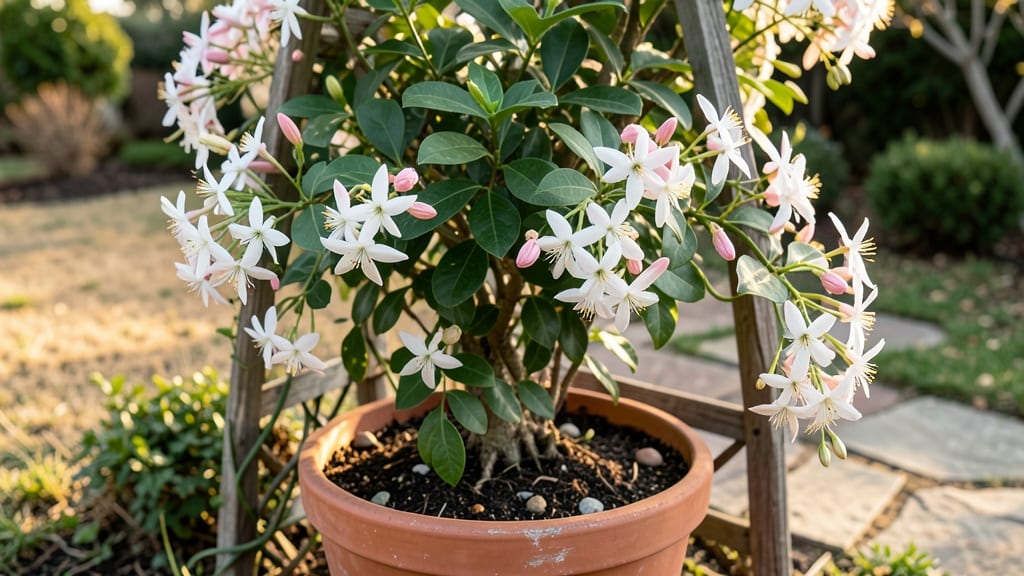
There’s nothing quite like the intoxicating sweetness of star jasmine 🌸 filling your garden at dusk—but catching its flowering season just right is the key to unlocking that magic.
If you’ve ever watched your vines bloom briefly and then fade, you’re not alone, and the solution is simpler than you think.
Star jasmine typically bursts into fragrant white blooms in late spring through summer, but with the right care, you can stretch that season into nearly year-round beauty.
Whether you’re in Zone 6a or a warmer climate, understanding when and how to trigger those star-shaped flowers will transform your outdoor space into a fragrant sanctuary.
From pruning at the perfect time to feeding your plant just enough to encourage repeat blooms, I’ll share the exact strategies that worked for me—including how to revive a vine that’s struggling or push it to flower earlier (or later) than usual.
Let’s dive into the secrets behind those heavenly blooms.
The best part? Star jasmine isn’t just about looks—its intoxicating scent and lush foliage make it a game-changer for garden design, whether you’re draping it over a trellis or training it as a fragrant hedge. Ready to make your garden smell like summer all year? Let’s get started.
Star jasmine flowering season: natural timing and climate Zones
Star jasmine (Trachelospermum jasminoides) is a fragrant vine that bursts into bloom during late spring to early summer, filling gardens with its sweet, jasmine-like scent.
In its native USDA Zones 8-11, this evergreen climber typically flowers from May through July, though timing shifts slightly based on local climate and microclimates. Understanding these patterns helps you anticipate—and even extend—its stunning displays.
Native to East Asia and Australia, star jasmine thrives in warm climates where winters rarely drop below 20°F (-6°C). In cooler zones (like Zone 7), it may bloom later or require container cultivation to protect roots from frost.
The key to maximizing blooms lies in matching its natural cues—sunlight, temperature, and humidity—to your growing conditions.
🌸 Star Jasmine Flowering Season by Climate Zone
| Zone | Peak Bloom Time | Temperature Needs | Sunlight Requirements | Humidity Preference |
|---|---|---|---|---|
| 8-9 | Late May - June | 60-85°F (15-29°C) | Full sun (6+ hours) | Moderate to high |
| 10-11 | April - July | 70-95°F (21-35°C) | Full sun to partial shade | High (tropical climates) |
| 7 (with protection) | June - Early July | 55-80°F (13-27°C) | Full sun (containers) | Moderate (dry air tolerated) |
| Coastal Areas | March - August | 55-85°F (13-29°C) | Partial shade (morning sun) | Very high (coastal fog) |
In Zones 8-9, star jasmine typically blooms from late May through June, triggered by rising temperatures and longer daylight hours. The first flush of flowers appears on new growth, often followed by a second, lighter bloom in late summer if conditions remain favorable.
In warmer Zones 10-11, flowering can start as early as March and stretch into August, thanks to consistent warmth and humidity.
Sunlight is critical—full sun (6+ hours daily) ensures robust blooms, while partial shade in hot climates prevents leaf scorch. Humidity levels also play a role: in dry areas, regular misting can encourage more abundant flowering.
For container-grown plants in cooler zones, move them to a south-facing patio in spring to jumpstart blooming.
Early bloomers like 'Little Gem' often flower 2-3 weeks earlier than standard varieties, while 'Grandiflorum' produces larger, more fragrant blooms in late spring. If your climate has hot summers, prune back one-third of old growth in early spring to redirect energy into new, flower-bearing stems.
This trick works especially well in Zone 10, where vines can become leggy without pruning.
Temperature swings can delay blooming. If your area experiences late spring frosts (common in Zone 8), protect young vines with frost cloth until danger has passed. Conversely, in Zone 11, the plant may bloom year-round if given consistent moisture and balanced fertilizer.
The secret? Mimic its tropical origins with even moisture and light pruning after each bloom cycle.
For container gardeners, choose dwarf varieties like 'Silvan', which blooms earlier and more prolifically in small spaces. Place pots near west-facing walls to capture afternoon sunlight, which extends the flowering season by 3-4 weeks.
In humid climates, watch for powdery mildew—prune for airflow and avoid overhead watering to keep blooms healthy.
Pro tip: Deadhead spent blooms regularly to encourage continuous flowering. This works best in Zones 9-11, where the plant can sustain multiple bloom cycles. Pair star jasmine with complementary climbers like clematis or honeysuckle to create a fragrance-filled vertical garden that blooms sequentially throughout the season.
🌿 Whether you're in a coastal paradise or a suburban backyard, star jasmine rewards patience with its intoxicating scent and low-maintenance charm
How to extend star jasmine blooms: pruning, fertilizing, and light tricks
Star jasmine thrives on a delicate balance of care, and the key to prolonged blooms lies in understanding its growth cycle. Most vines produce their heaviest flowers in late spring to early summer, but with strategic adjustments, you can coax a second flush—or even year-round fragrance in warmer climates.
The secret? Timing your pruning, feeding, and light exposure to mimic its natural triggers.
I’ve found that light pruning after blooms (not before!) encourages new growth, while balanced fertilization prevents leafy overgrowth that steals energy from flowers. Even indoor or container-grown star jasmine can rebloom with the right light manipulation—think grow lights or south-facing windows.
Let’s break down the exact steps to turn your vine into a fragrant powerhouse.
🌿 Step-by-Step Guide to Extend Star Jasmine Blooms
-
📅 Prune at the Right Time
Trim spent blooms immediately after flowering (late summer) to redirect energy to new growth. Avoid heavy pruning in fall/winter—this forces dormancy.
-
🌱 Fertilize Strategically
Use a 10-10-10 balanced fertilizer every 6 weeks during spring/summer. Switch to low-phosphorus (e.g., 5-5-5) if leaves outgrow flowers.
-
☀️ Optimize Light Exposure
Indoor vines need 6+ hours of direct light (south window or grow lights). Outdoor plants thrive in morning sun + afternoon shade to prevent stress.
-
💧 Adjust Watering for Blooms
Water deeply every 3-5 days but reduce in fall/winter. Overwatering causes fewer flowers—let the top inch of soil dry between waterings.
-
✂️ Encourage Reblooming
Pinch back new growth tips in early summer to promote bushier, flower-heavy vines. Repeat in late summer for a second bloom cycle.
🌸 Pro Tip: Mulch with compost to retain moisture and reduce stress, which directly impacts bloom quality.
For container-grown star jasmine, the trick is light manipulation. Place pots near a south-facing window or supplement with a grow light (12 hours/day) to mimic summer conditions. I’ve seen vines in pots bloom twice in one season with this method—just avoid overcrowding roots, which starves flowers.
If your vine is skipping blooms, check for these red flags: over-fertilizing with nitrogen (leads to leafy growth), poor light, or root-bound containers. A quick fix?
Repot into well-draining soil and reduce fertilizer to half-strength for a month. Star jasmine is forgiving—it just needs consistent signals to prioritize flowers over foliage.
Remember, patience is key. First-time bloomers may take 2-3 years to reach peak fragrance, but once established, your vine will reward you with months of intoxicating scent.
Try these tricks this season, and you’ll be the envy of the neighborhood with a star jasmine that never stops flowering.