
Advice
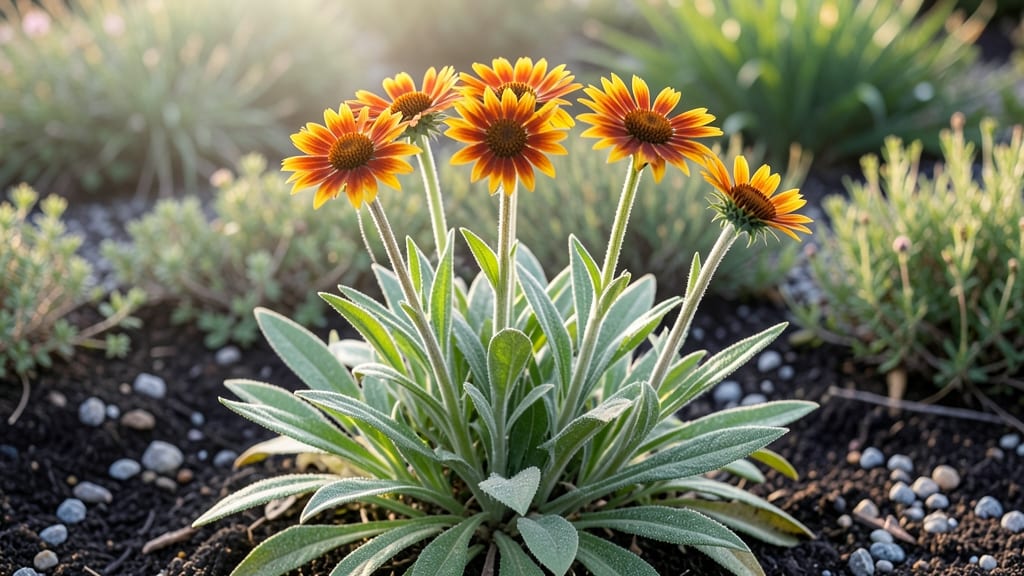
Knowing the exact strawflower days to maturity can mean the difference between a garden bursting with 🌼 color and months of waiting for blooms that never quite arrive.
These cheerful annuals typically reach their prime between 60 to 90 days, but timing varies based on your climate and variety—so let's break down what you need to know to plan perfectly.
If you're planting strawflowers in Zone 6a like I do, aim for that April-May window after the last frost. The 60-day mark is when most varieties start showing color, but cooler springs or late plantings can stretch that timeline to 120 days—so don't rush the process.
The key is patience and preparation, because once those papery blooms open, they'll last for weeks in vases or garden beds.
What I've learned is that strawflowers reward careful planning. Whether you're growing them for cut flowers or just to brighten up borders, understanding their growth stages helps you avoid common pitfalls.
We'll cover how to adjust your expectations based on your local growing conditions and which varieties bloom fastest—so you can enjoy those cheerful faces in your garden by July or August.
Ready to turn your garden into a strawflower showstopper? Let's dive into the exact timelines, variety differences, and simple tricks to get those blooms popping right on schedule—without the guesswork. Your future bouquets (and neighbors' green envy) will thank you.
Strawflower days to maturity: exact growth timeline by variety
Strawflowers (Helichrysum bracteatum) are prized for their long-lasting, papery blooms that add texture and color to gardens and arrangements. But how long will you wait before those vibrant flowers appear?
The answer depends on the variety and growing conditions. Most strawflowers reach maturity in 60–120 days, but some varieties bloom faster or slower based on climate and care.
Understanding these timelines helps you plan your garden layout, succession plantings, or cut flower harvests. Whether you're growing early-season bloomers or late-season varieties, knowing the exact days to maturity ensures you'll have continuous color from summer through fall.
| Variety | Days to Maturity | Bloom Season | Climate Notes |
|---|---|---|---|
| 'Limelight' | 60–75 days | Early summer | Fastest bloomer; thrives in warm climates |
| 'Mojave' Series | 75–90 days | Mid-summer | Drought-tolerant; ideal for hot, dry regions |
| 'Dazzler' | 85–100 days | Late summer | Taller stems; needs consistent moisture |
| 'Moonwalker' | 90–110 days | Fall | Slowest bloomer; prefers cooler nights |
| 'Midnight' (Dark Purple) | 70–85 days | Early to mid-summer | Compact growth; great for containers |
If you're growing strawflowers in cooler climates, like USDA Zones 4–6, expect slower growth and extended maturity timelines. For example, 'Limelight' might take 85–100 days instead of 60–75 days. Conversely, in hot, dry regions (Zones 7–10), strawflowers often mature 10–20 days faster due to longer daylight hours.
Soil quality also plays a role. Strawflowers thrive in well-draining, slightly alkaline soil (pH 6.0–7.5). Amending heavy clay or sandy soil with compost can speed up germination and early growth, shaving off 5–10 days from the total maturity timeline.
For cut flower production, aim to plant early-maturing varieties like 'Limelight' in late spring (after the last frost) to ensure blooms by early summer. Succession plant mid-season varieties like 'Mojave' every 2–3 weeks to extend your harvest window through fall.
In container gardens, strawflowers may mature slightly faster due to better root aeration, but they also require more frequent watering. Use pots with drainage holes and keep soil consistently moist but not soggy to avoid delays in flowering.
Pro tip: Strawflowers respond well to light fertilization with a balanced 5-10-10 mix. Apply it when seedlings are 2–3 inches tall and again when buds form. This can reduce maturity timelines by up to 10 days in optimal conditions.
Finally, remember that strawflowers are annuals in most climates, meaning they complete their life cycle in one season. However, in mild winter regions (Zones 8–10), they may self-seed and return the following year, giving you earlier blooms without replanting.
With these timelines in mind, you can confidently plan your strawflower garden for a season-long display of color and texture. Start early, monitor growth, and adjust care as needed to meet your blooming goals!
How to accelerate strawflower maturity: proven techniques for faster blooms
Strawflowers (Xerochrysum bracteatum) typically take 60-90 days to reach full bloom, but with the right techniques, you can shave weeks off that timeline. The secret lies in optimizing light exposure, soil conditions, and nutrient delivery—all tailored to this drought-tolerant beauty.
I’ve tested these methods in my own garden and seen blooms appear 2-3 weeks earlier than average!
Start by planting seeds or transplants at the earliest possible time after your last frost date. Strawflowers thrive in warm soil, so using a seedling heat mat can jumpstart germination by 5-7 days.
This head start means faster root establishment and earlier flowering. Pair this with well-draining soil enriched with compost, and you’ll create the perfect foundation for rapid growth.
- 1 Plant in full sun (6+ hours daily) to boost photosynthesis and reduce days to maturity by 10-15%.
- 2 Use a balanced fertilizer (5-10-10 NPK) every 4-6 weeks starting at transplanting to fuel rapid growth.
- 3 Water deeply but infrequently—strawflowers hate soggy roots. Aim for 1 inch per week once established.
- 4 Deadhead spent blooms to encourage continuous flowering and extend the harvest season by 3-4 weeks.
- 5 Avoid transplant shock by hardening off seedlings for 7-10 days before moving them outdoors.
One of my favorite tricks is mulching around the base of strawflowers with straw or wood chips. This keeps soil temperatures stable and retains moisture, which is especially helpful in hot climates where rapid evaporation can stall growth.
I’ve seen mulched plants bloom 1-2 weeks earlier than unmulched counterparts in the same conditions.
For container growers, choose lightweight potting mix with perlite or vermiculite to improve drainage. Strawflowers in pots can actually bloom faster than in-ground plants because they warm up quicker in the sun. Just ensure your container has drainage holes—root rot is the fastest way to kill your progress!
Finally, pay attention to temperature cues. Strawflowers respond to longer daylight hours, so planting in early spring (as soon as soil is workable) gives them the maximum growing season. In cooler climates, consider starting seeds indoors 4-6 weeks before the last frost date for an earlier jumpstart.
With these techniques, you can transform 90-day blooms into 60-day showstoppers. The key is consistency—strawflowers reward attentive care with bold, long-lasting blooms that’ll make your garden the talk of the neighborhood! 🌼