
Blooming
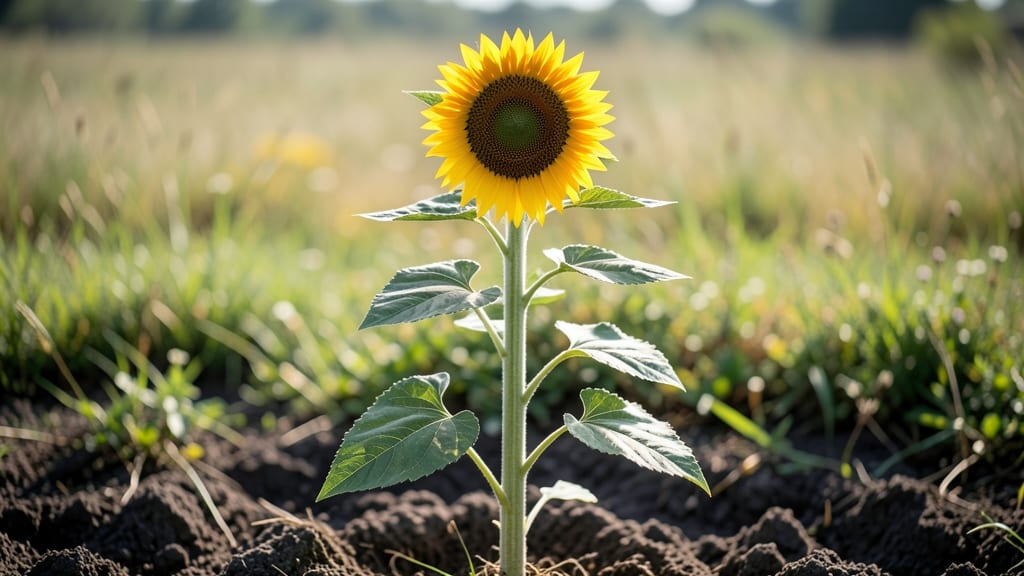
If you’ve ever planted sunflower seeds hoping for instant golden blooms, you’ve likely wondered: How long does the sunflower bloom time really take? The answer isn’t just about days—it’s about soil, sunlight, and even variety choices that can shift your timeline by weeks.
For most gardeners in Zone 6a, sunflowers typically take between 45 to 120 days to bloom, depending on the variety. Giant sunflowers like 'Mammoth' can take up to 120 days, while dwarf varieties might surprise you with blooms in as little as 45 days.
Knowing your planting window—after last frost in April or May—helps set realistic expectations.
But here’s the game-changer: small adjustments like spacing, sunlight, and soil prep can speed up or delay blooms. Too much shade? Your sunflowers might linger. Too little water? They’ll struggle to reach their full potential.
I’ll break down exactly how to optimize your garden for faster, healthier blooms—so you can enjoy those towering 🌻 faces sooner.
Whether you’re planting for cut flowers or birdseed, timing is everything. Let’s dive into the exact steps to predict—and influence—your sunflower bloom time, so you’re not left waiting all summer for those cheerful faces to pop up.
How many days until sunflower blooms: exact timeline by variety
Sunflowers are one of the fastest-growing plants in your garden, but their bloom time varies dramatically depending on the variety you choose. If you're planning a sunflower display for summer, timing is everything.
Some varieties burst into bloom in just 45 days, while others take nearly 120 days to reach their full golden glory. The key lies in selecting the right type for your growing season and climate zone.
For gardeners in USDA Zones 6-9, early bloomers like 'Teddy Bear' or 'Moulin Rouge' can transform your yard in as little as 50-60 days. Meanwhile, towering giants like 'Russian Giant' or 'Mammoth' need 90-120 days to mature.
Understanding these differences helps you plan succession plantings for continuous color all season long.
Here’s the breakdown you’ve been waiting for—exact bloom timelines for popular sunflower varieties, along with climate considerations that can shift these windows by weeks.
| Variety | Type | Bloom Time (Days) | Height (ft) | Best For | ||||||||||||||||||||
|---|---|---|---|---|---|---|---|---|---|---|---|---|---|---|---|---|---|---|---|---|---|---|---|---|
| Teddy Bear | Dwarf | 45-55 | 1-3 | Containers, borders | ||||||||||||||||||||
| Moulin Rouge | Dwarf | 50-60 | 2-3 | Autumn Beauty | Mid-Size | 55-70 | 3-5 | ProCut | Mid-Size | 60-75 | 4-6 | Russian Giant | Giant | 90-120 | 10-16 | Mammoth | Giant | 100-120 | 12-14 | tall sunflowers that rival your fence, be prepared to wait 3-4 months from seed to bloom.
For example, the 'Russian Giant' variety needs 90-120 days, so planting in early May might mean blooms in late August or September. Your climate zone plays a huge role too. In warmer southern regions (Zones 8-10), sunflowers often bloom 10-15 days faster than in cooler northern zones. For instance, a 'ProCut' variety might bloom in 60 days in Florida but take 75 days in Zone 5. To adjust, plant early varieties in cooler zones or stagger plantings every 2 weeks for extended blooms. Don’t overlook the impact of soil temperature. Sunflower seeds need soil that’s at least 55°F (13°C) to germinate. In early spring plantings, cold soil can delay germination by 7-10 days, pushing back your bloom timeline. Use black plastic mulch or a seedling heat mat to warm the soil faster and get those seeds sprouting on schedule. For maximum bloom speed, pair your variety choice with optimal growing conditions. Full sun (6+ hours daily) and well-draining soil with a pH of 6.0-7.5 ensure your sunflowers hit their bloom potential. Skimp on sunlight, and you’ll see stunted growth and delayed blooms—sometimes by 20+ days. My 'Autumn Beauty' sunflowers bloomed 14 days late last year because I planted them in partial shade near my fence. Pro tip: If you’re growing sunflowers for cut flowers, choose mid-size varieties like 'ProCut' or 'Autumn Beauty'. They bloom in 60-75 days and produce long, sturdy stems perfect for arrangements. For pollinator gardens, dwarf varieties like 'Moulin Rouge' offer quick color while attracting bees and butterflies in just 50-60 days. 🌻 Remember, these timelines assume ideal conditions. Real-world factors like pests, nutrient deficiencies, or overcrowding can push back bloom times. In my next section, I’ll cover 5 critical factors that speed up or delay sunflower blooms—and how to optimize them for the fastest, healthiest flowers in your garden. 💡 5 Critical factors that speed up or delay sunflower bloom timeSunflowers may seem like low-maintenance giants, but their bloom time depends on more than just patience. I’ve learned that even the hardiest varieties can take weeks longer to flower if key conditions aren’t met. Let’s break down the five most influential factors and how you can control them to get those golden blooms on schedule. First, sunlight exposure is non-negotiable. Sunflowers thrive in full sun (6+ hours daily), but even partial shade can delay blooming by 2-3 weeks. I once planted a batch in my backyard where one side got afternoon shade—those plants bloomed a full week later than their sun-drenched neighbors. If your garden has shady spots, opt for dwarf varieties like 'Teddy Bear' that tolerate lighter conditions better. 🌻 5 Factors That Control Sunflower Bloom Time
Next up is soil temperature, which directly impacts germination speed. I’ve noticed that seeds planted in cold soil (below 50°F) can take 3 weeks just to sprout, while warm soil (60°F+) gets them popping in 7-10 days. To speed things up, use black plastic mulch or plant in raised beds—both warm the soil faster. Pro tip: If your spring is chilly, start seeds indoors in biodegradable pots and transplant after the last frost. Watering might seem simple, but inconsistency is a bloom time killer. Sunflowers need deep, infrequent watering—think 1-2 inches per week, delivered in the morning to prevent fungal issues. I once overwatered a batch by keeping them soggy, and those plants took 2 weeks longer to bloom than their properly hydrated siblings. Let the top 2 inches of soil dry out between waterings, and always water at the base of the plant to avoid wetting the leaves. Don’t overlook seed quality—it’s a game-changer for timing. Fresh, untreated seeds from reputable suppliers (like Baker Creek or Johnny’s Selected Seeds) germinate reliably in 7-14 days. But if you’re using seeds from last year’s stash, they might take 3 weeks or more to sprout. To test viability, soak a handful in lukewarm water for an hour—seeds that sink are good to plant. For extra insurance, treat seeds with a fungicide before planting to prevent rot in damp conditions. Finally, spacing plays a bigger role than most gardeners realize. Sunflowers need room to photosynthesize efficiently, and crowding forces them to compete for nutrients and light. I’ve seen overcrowded plants take 10-15 days longer to bloom because their growth gets stunted. Standard varieties need 12-24 inches apart, while dwarf types can handle 6-12 inches. Thin seedlings early—don’t wait until they’re 4 inches tall, or you’ll risk transplant shock. |