
Advice
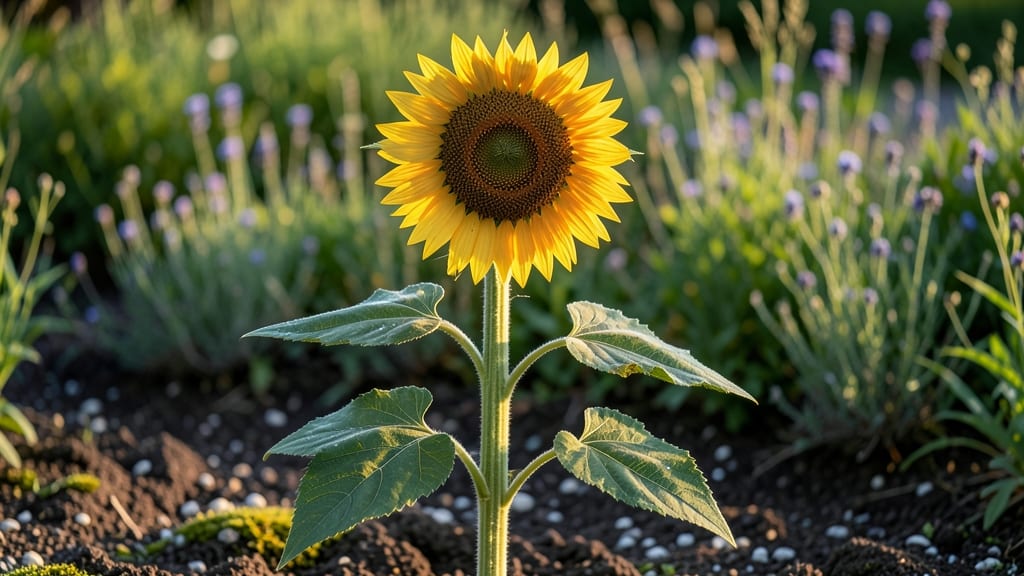
If you're planting sunflowers this spring, knowing their days to maturity is the secret to timing your garden for perfect blooms. That 50-day dwarf variety might surprise you with early color, while a towering 140-day giant could still be reaching for the sky when summer winds down.
These timelines aren't just numbers - they're your roadmap to summer-long sunflower displays. Whether you're growing teddy bear varieties for kids or mammoth giants as a statement piece, understanding maturity helps you avoid disappointment or wasted space. Let's break down exactly what these numbers mean for your garden.
Climate plays a bigger role than most gardeners realize. A 6a zone like mine might need staggered plantings to extend the bloom season, while warmer regions can push giant varieties to their full potential.
I'll show you how to calculate your exact bloom dates so you can plan for perfect summer color from July through September.
Ready to turn those sunflower seeds into a showstopping garden feature? The key is matching your variety to your timeline - and I've got the exact strategies to make it happen without guesswork.
Sunflower variety days to maturity: fastest to longest blooming times
Sunflowers are one of the fastest-growing plants in your garden, but their bloom times vary wildly depending on the variety. From dwarf varieties that pop up in just 50 days to giant sunflowers that take 120+ days, understanding these timelines helps you plan for stunning summer displays.
The key factors? Variety selection, climate conditions, and growing zone all play critical roles in determining when those cheerful faces will greet you.
For gardeners in USDA Zone 6a (like my own backyard), timing is everything. Planting too early can lead to leggy, weak stems, while planting too late might leave you with frost-nipped blooms.
That’s why I’ve broken down the fastest-blooming to longest-maturing sunflower varieties—plus how to adjust for your local climate. Whether you’re growing cut flowers, bird feed, or just want instant summer joy, knowing these timelines ensures you’ll have sunflowers when you need them most.
Here’s the game-changing breakdown of sunflower maturity by category, featuring my top picks for each type. This table includes days to maturity, height ranges, and best uses so you can choose the perfect variety for your garden goals.
Let’s start with the fastest bloomers: dwarf varieties like 'Teddy Bear' and 'Puck' are my go-to for container gardens or early summer color. These little powerhouses mature in just 50–65 days, making them perfect for short-season gardens or urban balconies.
Their compact size (1–3 feet) also means they won’t overwhelm smaller spaces, and their cheerful faces attract pollinators almost immediately after planting.
If you’re aiming for cut flowers or long vase life, medium-height varieties like
How to calculate your sunflower’s exact bloom date using days to maturity
Calculating your sunflower's exact bloom date starts with understanding the days to maturity listed on your seed packet. This number represents how many days from planting until the flower fully opens.
For example, my 'Teddy Bear' variety blooms in 55 days, while 'Mammoth' sunflowers need 120 days—a huge difference in timing!
Your local last frost date is the next critical piece. In my USDA Zone 6a, this typically falls around April 15. If I plant my 55-day variety right after this date, I can expect blooms by early June.
But giant varieties planted then won't bloom until late August or September.
- 1 Find your variety's days to maturity on the seed packet (e.g., 55, 70, 120 days)
- 2 Locate your last frost date using the USDA zone map (e.g., April 15 for Zone 6a)
- 3 Count backward from your desired bloom date (e.g., July 4) to determine planting window
- 4 Adjust for climate: Add 10-14 days in cooler zones or subtract in warmer regions
- 5 Plant in stages for extended blooms: Space varieties 2-3 weeks apart
For a July 4th display, I plant my 55-day variety around May 10 (55 days before July 4). But for September blooms, I might plant giant varieties as early as April 1—well before my last frost—to give them the full growing season.
This staggered approach ensures continuous color from midsummer through fall.
Don't forget to account for your soil temperature. Sunflower seeds need soil at least 50°F to germinate. In cooler zones like mine, I might need to wait until late April even if frost risk has passed.
For faster germination, I use black plastic mulch to warm the soil 2-3 weeks earlier.
Pro tip: Use a garden journal to track your actual bloom dates versus predictions. Last summer, my 'Autumn Beauty' bloomed 5 days earlier than expected—likely due to warmer-than-average temperatures. Adjust next year's planting based on your real data for more accurate timing.
With this method, you'll know exactly when to expect those golden blooms to transform your garden into a sunflower spectacle. The key is matching your variety's maturity timeline to your local climate—then sitting back to enjoy the show! 🌻