
Planting
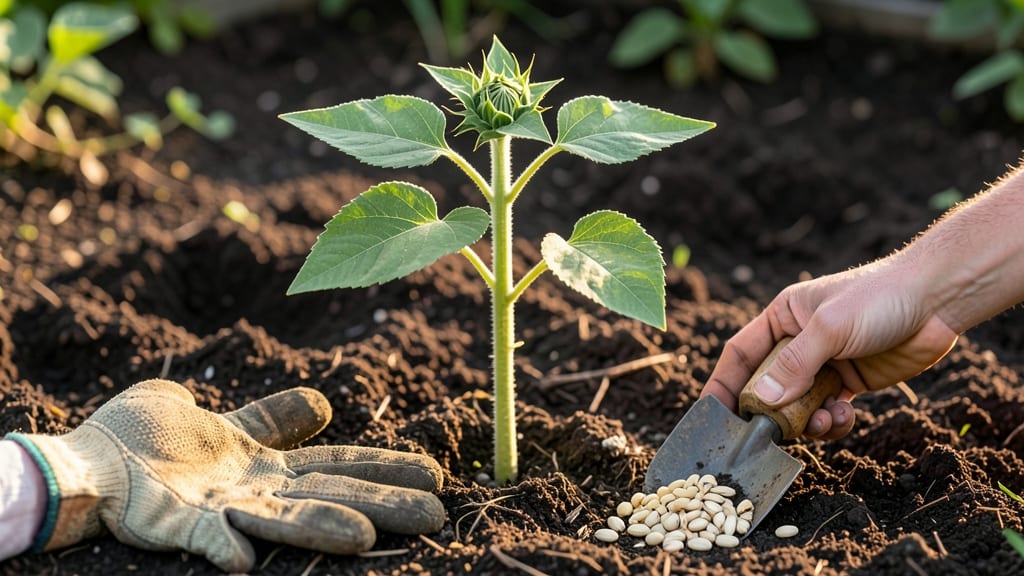
Timing your sunflower planting season right is the secret to growing those jaw-dropping 10-foot-tall giants that turn heads in every garden. Plant them too early, and frost will nip those tender sprouts before they even get started.
Skip the window, and you’ll end up with stunted blooms instead of the towering sunflowers 🌻 you dream of.
For most gardeners in USDA Zone 6a (like where I live), the sweet spot is between mid-April and May—right after the last frost when soil warms to 50°F.
But here’s the thing: your exact timing depends on whether you’re in a warm climate or a cooler one, and whether you’re starting seeds indoors or dropping them straight into the ground.
I’ve learned the hard way that rushing sunflowers into cold soil or planting them too late for summer blooms means sacrificing height and vibrancy. The good news?
With the right approach, you can stretch your growing season to get those sunflowers reaching their full potential—even if you’re not in the ideal zone.
Let me walk you through the exact steps to pick your planting window, prep your soil, and avoid the 3 biggest mistakes that keep sunflowers from growing tall. By the end, you’ll know exactly when to plant for sunflowers that make your neighbors green with envy.

Sunflower planting season by USDA hardiness zones: best months for each region
Sunflowers thrive when planted at the right time—too early and frost can damage tender seedlings, while late planting may result in stunted growth. The best sunflower planting season depends entirely on your USDA hardiness zone, with northern climates needing earlier starts than southern regions.
For maximum height and vibrant blooms, aim to plant when soil temperatures reach at least 50°F (10°C), ensuring your sunflowers have 90-120 frost-free days to mature.
Most gardeners plant sunflowers directly in the ground after the last frost, but indoor starts can give northern zones a head start. In USDA zones 3-5, early starts indoors (4-6 weeks before last frost) help extend the growing season.
Meanwhile, zones 6-11 can often plant seeds directly outdoors as soon as the soil is workable, sometimes as early as March in warmer climates. Let’s break down the ideal sunflower planting windows by zone to ensure your towering beauties reach their full potential.
🌱 Key Insight: Sunflowers are fast-growing annuals that need 6-8 hours of full sun daily. Planting too late can reduce height and flower size, while early starts in cold zones help avoid frost damage. Always check your last frost date and count backward to determine the best planting window.
In USDA zones 3-4, where winters are harsh, indoor starts are your best bet for tall, healthy sunflowers. Begin seeds indoors 4-6 weeks before your last frost date, using biodegradable pots to avoid transplant shock.
Harden off seedlings for 7-10 days before transplanting outdoors after the last frost, typically in late May or early June. For late-summer blooms, plant dwarf varieties every 2 weeks from June to July.
Gardeners in zones 5-6 have more flexibility, with direct sowing possible as early as mid-April in warmer microclimates. Aim to plant standard varieties by May 15 to ensure they reach 10+ feet before frost.
If you want continuous blooms, try succession planting—sow seeds every 3 weeks until mid-July. This strategy works especially well for cut flower gardens or pollinator-friendly landscapes.
For zones 7-10, sunflowers are low-maintenance annuals that thrive with minimal fuss.
In zones 7-8, you can plant directly outdoors as early as March 15, but wait until soil warms to 50°F (10°C) for best germination. Late-summer planting (August-September) produces fall-blooming sunflowers, adding color to your garden when other annuals fade.
In zones 9-10, take advantage of year-round growing seasons—plant in winter for spring blooms or early fall for holiday-season flowers.
Gardeners
How to extend your sunflower growing season for tallest stalks
Sunflowers thrive when given the right conditions, but their height potential depends heavily on how long they have to grow. By extending your sunflower growing season, you can coax those stalks to reach 10+ feet or even tower over your fence.
The key lies in succession planting, soil warmth, and strategic companion plants that protect young seedlings from wind and pests.
Most gardeners focus on planting sunflowers once in spring, but successive plantings every 2-3 weeks can keep your garden blooming until frost. This simple trick ensures you always have young sunflowers entering their rapid growth phase while older ones reach maturity.
Pair this with soil temperature tricks like using black plastic mulch to warm the ground faster, and you’ll give your sunflowers the perfect head start.
One of my favorite tricks for extending the season is planting sunflowers in late summer for a fall display. In warmer climates (zones 8-11), you can even get a second crop by sowing seeds in August or September.
These late-season sunflowers often grow taller because they have fewer pests and diseases to contend with and benefit from longer daylight hours in early fall.
Don’t overlook the power of companion planting—sunflowers pair beautifully with corn, beans, or marigolds. Corn acts as a natural windbreak, while marigolds deter pests like aphids and beetles.
I’ve seen sunflowers grow 20% taller when planted near these companions because they experience less stress. Just avoid planting them near potatoes or fennel, which can stunt their growth.
For the tallest sunflowers, pay close attention to soil moisture during their rapid growth phase. Deep watering once a week (1-2 gallons per plant) encourages strong root development, which translates to taller stalks.
Mulch around the base with straw to retain moisture and keep roots cool—this is especially important in hot climates where sunflowers can bolt prematurely.
With these techniques, you’ll transform your garden into a sunflower tower that attracts pollinators and adds dramatic height. The secret isn’t just planting once—it’s about strategic timing, protection, and nourishment throughout their entire growth cycle. 🌻