
Light Requirements
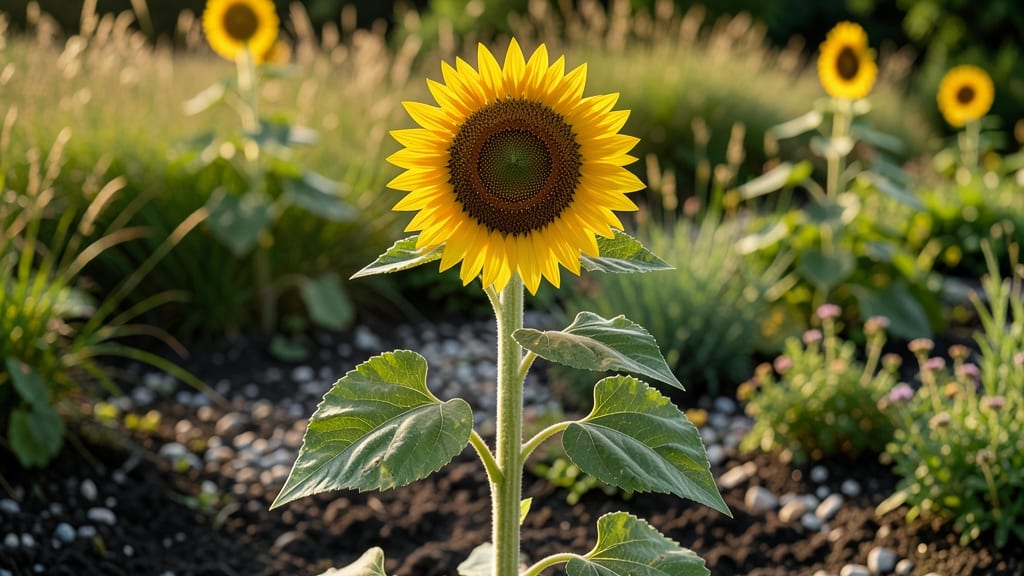
If you’ve ever planted sunflowers only to watch them stretch toward the sky like sleepy giants, you’re not alone—these plants demand the right sunflower sunlight requirements to truly shine.
Their devotion to the sun is legendary: without enough light, they’ll grow tall but weak, with tiny blooms that barely resemble their famous towering beauty.
Here’s the truth: 6–8 hours of direct sunlight daily is the magic number for happy, healthy sunflowers. Skimp on the light, and you’ll end up with leggy stems and underwhelming flowers. But get it right, and you’ll be rewarded with bold blooms and sturdy stems that reach their full potential.
Whether you’re a seasoned gardener or just starting out, understanding how to position your sunflowers for maximum light exposure can make all the difference. Let’s break down exactly what your sunflowers need—and how to give them the bright, sunny home they crave.
From choosing the perfect spot in your garden to troubleshooting common sunlight mistakes, I’ll walk you through everything you need to know to grow sunflowers that thrive in the sun and bring joy to your outdoor space.

How many hours of sunlight do sunflowers need daily?
Sunflowers thrive under the brightest conditions, but their sunlight needs vary dramatically depending on the variety. While most sunflowers crave 6–8 hours of direct sunlight daily, some dwarf varieties can tolerate slightly less.
Understanding these differences is key to growing healthy, vibrant blooms that reach their full potential—whether you're aiming for 10-foot giants or compact 3-foot varieties.
The science behind this is fascinating: Sunflowers use photosynthesis efficiency to convert sunlight into energy, with their large leaves designed to capture maximum solar power. When deprived of adequate light, they struggle to produce the chlorophyll needed for growth, leading to weak stems and underdeveloped blooms.
Even a few hours less than the ideal can stunt their growth significantly.
Here’s the breakdown you need to know before planting:
Seedlings are the most delicate stage, requiring gentle shade protection from harsh midday sun while still needing bright light to prevent etiolation (those weak, stretched stems).
Once established, most sunflowers can handle direct afternoon sun, but giant varieties will bolt (flower prematurely) if stressed by heat or drought during this phase.
Watch for these signs of insufficient light: Leafy stems with few blooms, small or pale flowers, and plants that lean toward the light source. These are clear indicators your sunflowers need more sun.
Even mature plants may struggle to produce large, vibrant blooms if they receive less than 5 hours of direct sunlight daily.
If you're growing sunflowers in containers or urban gardens, prioritize south-facing spots where they’ll receive the most sunlight. Reflective surfaces like light-colored mulch or mirrors can also help redirect sunlight to shaded areas.
For dwarf varieties, partial shade in the afternoon might even improve their longevity, especially in hot climates.
Pro tip: Rotate your sunflower pots every few days to ensure even light exposure on all sides. This simple trick can prevent leggy growth and encourage stronger stems. And remember, sunflowers aren’t just about aesthetics—their seed production also relies heavily on adequate sunlight for proper development.
For maximum photosynthesis efficiency, aim to plant sunflowers where they’ll get morning sun and afternoon shade in extreme heat zones. This balance helps them conserve energy while still producing stunning blooms. With the right sunlight strategy, your sunflowers will reward you with towering stems and radiant flowers all season long.
🌻
5 Proven strategies to maximize sunflower sunlight exposure
Sunflowers are nature’s sun-seekers, and their light requirements can’t be ignored if you want those iconic bold blooms. Even in a sunny garden, subtle differences in positioning can mean the difference between towering giants and leggy underachievers.
The good news? With a few smart adjustments, you can ensure your sunflowers get the maximum sunlight exposure they crave—even in less-than-perfect spots.
First, let’s address the elephant in the garden: shade from nearby structures or taller plants. Sunflowers planted too close to fences, sheds, or trees will stretch painfully toward the light, creating those weak, spindly stems we all dread.
The solution? Strategic placement and spacing that lets every plant bask in the sun.
🌻 5 Proven Strategies for Sunflower Sunlight
-
1. Plant in full-sun zones
Choose south-facing spots with 6+ hours of direct sun. Avoid west-facing areas where afternoon shade cuts exposure short. -
2. Space plants 12–24 inches apart
Taller varieties need 24" spacing to prevent shading. Dwarfs can handle 12" spacing but still need sunlight access. -
3. Use reflective mulch or mirrors
Light-colored gravel or small mirrors (placed at a 45° angle) can bounce extra light to shaded stems without burning leaves. -
4. Rotate containers weekly
Potted sunflowers need all sides exposed to sunlight. Turn containers 180° every 3–4 days for even growth. -
5. Prune competing foliage
Remove lower leaves on stems to reduce self-shading. This lets sunlight reach the upper canopy where blooms form.
For container gardeners, elevated planters are a game-changer. Placing pots on raised stands or trellises lifts them above ground-level shade, giving roots and stems equal access to sunlight. I’ve seen sunflowers in 5-gallon buckets on patio railings outperform in-ground plants simply because they weren’t competing with neighboring weeds for light.
One common mistake? Assuming morning sun alone is enough. While sunflowers love cool morning light, they need intense afternoon rays to fuel their growth. If your garden only gets morning sun, consider dwarf varieties like ‘Teddy Bear’ or ‘Moulin Rouge,’ which tolerate slightly less light than giants.
Finally, watch for etiolation—that telltale sign of insufficient light where stems stretch unnaturally tall with tiny leaves. If you spot this, act fast: relocate the plant immediately or supplement with a grow light (12+ hours daily) until it stabilizes.
With these strategies, your sunflowers will soak up sunlight like champions and reward you with showstopping blooms all season.