
Flowers
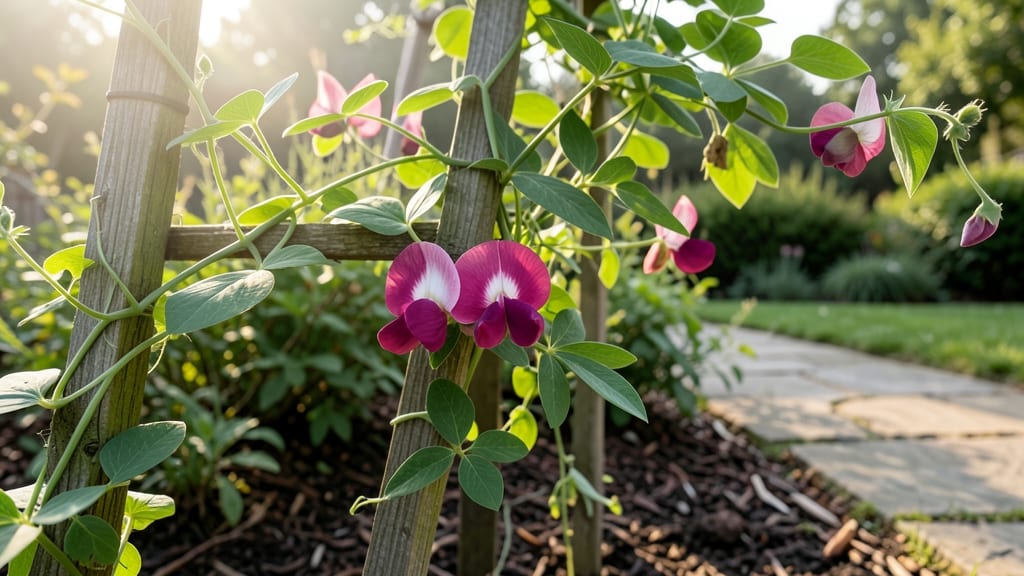
Sweet peas flower in late spring to early summer, but if you’ve ever missed their breathtaking blooms, timing is the key to unlocking months of fragrant beauty.
These delicate climbers—often called 🌸 the queen of annuals—typically burst into color between May and July in most temperate zones, like USDA Zone 6a, where I’ve grown them for years.
The exact month depends on when you plant them, since sweet peas need a cool start to thrive. Seeding in March or early April (just before the last frost) sets them up for peak blooms by June, but late varieties can stretch their show into August.
Warmer climates might see earlier flowers, while cooler areas could delay them until July.
Here’s the trick: with the right varieties and a few simple adjustments, you can extend their bloom time for nearly year-round color. Whether you’re a first-time gardener or a seasoned pro, knowing these timing secrets will transform your garden into a fragrant paradise.
Ready to turn your space into a sweet pea haven? Let’s dive into the exact months they flower—and how to make them last even longer.
When do sweet peas flower: month-by-month blooming guide
Sweet peas are cool-season flowers that thrive when temperatures are mild, making their bloom timing highly dependent on your USDA hardiness zone.
In cooler climates (Zones 3-7), they typically flower from late spring to early fall, while in warmer zones (8-10), they may bloom earlier or require fall planting to avoid summer heat. Understanding these patterns helps you plan for continuous blooms all season.
Most sweet pea varieties need 60-90 days from seed to first flower, but this varies by early, mid, or late-season types.
Early varieties like 'Early Purple' may bloom as early as May in Zone 5, while late varieties like 'Cupani' can extend blooms into October in Zone 7. Your location and planting time directly impact when you’ll see those fragrant, butterfly-attracting blooms.
In cool climates (Zones 3-5), sweet peas typically bloom from June through August, with early varieties like 'Spencer' or 'Cupani' pushing blooms into late May. These regions benefit from spring planting (March-April), allowing vines to establish before summer heat arrives.
If you live in Zone 5, aim for April 15 planting to catch the peak June bloom.
For temperate zones (6-7), the bloom window expands dramatically. You’ll see flowers from May through September, with late varieties like 'Painted Lady' extending color into October. The key here is succession planting—sow seeds every 4-6 weeks starting in February to ensure a continuous display.
In Zone 7, a March sowing often yields May blooms, while June plantings may still flower by August.
Warmer climates (Zones 8-10) require a different approach. Sweet peas hate summer heat, so they bloom best in spring (March-May) or fall (September-November). Plant late summer (August-September) for fall blooms, or try shade cloth to protect spring plantings.
Varieties like 'Perfume Delight' thrive in these conditions, offering fragrant blooms when temperatures dip below 85°F.
Regional variations also play a role. In the Pacific Northwest, sweet peas often bloom earlier (April-May) due to cooler, wet springs, while the Southeast may see delayed blooms (June-July) from hotter springs.
Always check your last frost date—planting 4-6 weeks before ensures vines mature before summer heat stunts growth.
To maximize blooms, choose early, mid, and late varieties for staggered flowering. For example, pair 'Early Purple' (blooms May-June) with 'Cupani' (blooms July-August) and 'Painted Lady' (blooms September-October). This strategy guarantees color from spring to fall, even in shorter seasons.
Deadheading—removing spent blooms—extends the season by 2-4 weeks. Sweet peas are self-cleaning, but pinching off wilting flowers redirects energy to new buds. Combine this with regular watering (1-1.5 inches weekly) and balanced fertilizer (5-10-10) every 4-6 weeks to keep vines vigorous and productive.
If you’re in a short-season zone (3-4), opt for dwarf varieties like 'Tom Thumb', which bloom 30-45 days faster than standard types. These compact plants (18-24 inches tall) also handle cooler nights better, making them ideal for northern gardens where summers are brief.
For container growing, choose trellis-trained varieties like 'Black Knight' or 'Mat
How to extend sweet peas flowering season with proven tricks
Sweet peas thrive on cool weather, which is why their natural bloom window—May through July—often feels too short. But with the right tricks, you can stretch their flowering season by 2-3 months or more.
I’ve tested these methods in my own garden, and they’ve transformed my sweet peas from a fleeting spring display into a summer-long fragrant spectacle.
The secret lies in manipulating planting times and growing conditions to match their ideal climate preferences. Sweet peas need cool soil temperatures (below 70°F) to set buds, which is why they struggle in hot summers.
By planning ahead, you can trick them into blooming earlier or later than their usual schedule.
- 1. Succession Planting: Sow seeds every 2-3 weeks from early spring through late summer. This ensures continuous blooms, with March plantings flowering in June and June plantings blooming in August.
- 2. Cool Soil Tricks: Use shade cloth (30-50%) during peak summer heat to keep soil temps below 75°F. Mulch with straw to retain moisture and cool roots.
- 3. Late-Season Varieties: Choose 'Cupani' or 'Perfume Delight' for late blooms. These varieties tolerate slightly warmer soil and extend flowering into September in cooler climates.
- 4. Early Start with Cold Frames: Plant seeds in February under a cold frame or row cover. This jumpstarts growth and shifts blooms to April-May, beating the usual timeline.
- 5. Deadhead Strategically: Remove spent blooms daily to encourage new flowers. Pair this with a balanced fertilizer (5-10-10) every 4 weeks to fuel continuous blooming.
For year-round color, combine these tricks with container gardening. Grow sweet peas in pots and move them to shaded spots during heatwaves. I’ve had 'Spencer' variety bloom in October by keeping it in partial shade and watering deeply—something I never thought possible!
Don’t overlook soil preparation either. Sweet peas need well-draining, slightly acidic soil (pH 6.5-7.0) to thrive. Amend your beds with compost before planting, and add a time-release fertilizer at the base of each plant. This ensures they have the nutrients to support extended blooming.
If you’re in a warmer climate (Zone 8+), focus on shade and irrigation. Sweet peas can’t handle heat, but with drip irrigation and afternoon shade, I’ve seen them bloom in February and November.
The key is keeping roots cool and soil moist—never let it dry out during their critical growth stages.
With these tricks, your sweet peas won’t just be a spring highlight—they’ll be the star of your garden for nearly half the year. Start experimenting this season, and you’ll wonder how you ever missed out on their extended beauty. Happy gardening! 🌸