
Blooming
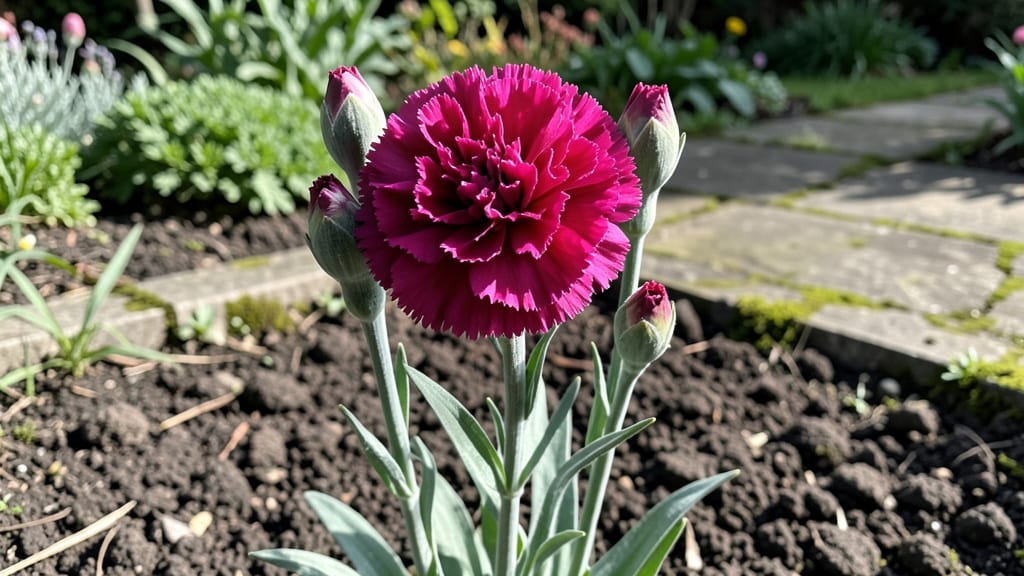
Carnations flower at the most unexpected times—some burst into color in early spring while others linger into late fall, depending entirely on the variety you grow. If you've ever wondered why your 🌸 carnations bloom when they do, the answer lies in their planting schedule and climate needs.
For gardeners in USDA Zone 6a, timing is everything. Planting in March-April or August-September sets the stage for vibrant blooms from May through October, but different carnation types have their own rhythms. Annual varieties often peak in summer, while perennials may reward you with fall color.
What if you want to extend those blooms? The key is understanding how light, soil, and even your local frost dates influence flowering. With the right care, you can coax your carnations into blooming earlier or later than expected—giving you a longer show of those classic 🌸 flowers.
Let’s break down exactly when each carnation type flowers, plus the simple tricks to keep them blooming all season long. You’ll never miss a bloom again!
Carnation flowering seasons by variety: exact months for peak blooms
Carnations are one of the most versatile flowering plants in your garden, offering blooms from early spring through late fall. The exact flowering months depend heavily on the variety—whether you're growing standard carnations, spray varieties, or miniature types.
Even the USDA zone where you garden plays a crucial role in timing. For example, in Zone 5, you might see early blooms as soon as February, while Zone 10 gardens can enjoy year-round color with the right varieties.
Understanding these seasonal patterns helps you plan your garden layout and succession planting. Some carnations thrive as annuals, delivering bold blooms in a single season, while others are perennial and return year after year with proper care.
Let’s break down the peak bloom months for the most popular types so you can enjoy vibrant flowers from February through November.
🌸 Key Takeaway: Spring and fall are the best seasons for carnation blooms, but summer varieties exist too. The secret to continuous color? Staggered planting and choosing the right mix of varieties for your climate.
If you’re in USDA Zone 5, focus on perennial varieties for early spring blooms in February or March. These hardy plants can withstand cooler temperatures and often reward you with second flushes in late summer.
For Zones 7-10, you’ll find that spray carnations thrive year-round with minimal care, especially when planted in full sun and well-draining soil.
One of my favorite tricks for extending the bloom season is to plant miniature carnations in containers on a sunny patio. These varieties bloom in March-May and again in September-November, giving you two stunning displays with minimal space. Plus, you can move them to protected spots if frost threatens.
For summer-long color, standard carnations are the stars of the show, peaking from June through August. To keep them flowering, deadhead spent blooms regularly and fertilize every 4-6 weeks with a balanced 5-10-5 formula. This encourages new growth and prolongs the bloom cycle by 30-50%.
In fall gardens, perennial carnations shine again, often delivering a second bloom cycle in September and October. This makes them perfect for autumn weddings or holiday arrangements. Just be sure to mulch heavily before winter to protect the roots from freezing temperatures in Zones 5-6.
Pro tip: If you live in a warmer climate (Zones 9-10), you can even enjoy year-round blooms by planting a mix of annual and perennial varieties. Stagger your plantings every 4-6 weeks to ensure a continuous display.
For example, start with spring varieties in February, follow with summer types in May, and finish with fall perennials in August.
Remember, light and temperature are your biggest allies when it comes to timing. Carnations need at least 6 hours of full sun daily and well-draining soil to thrive. In shadier conditions
How to extend carnation blooms: seasonal planting and care tips
Want your carnations to bloom longer and brighter? The secret lies in strategic planting and care that aligns with their natural growth cycles. By manipulating light exposure, soil temperatures, and companion plants, you can stretch those vibrant blooms from spring through fall—or even year-round in warmer climates.
Carnations thrive on consistency, but their flowering windows can be extended with simple techniques. For example, staggered planting ensures a continuous display, while proper deadheading encourages new buds. Even container gardening offers flexibility to move plants for optimal light when seasons shift.
🌸 5 Key Strategies to Extend Carnation Blooms
- 1. Staggered Planting: Plant 3 batches every 2-3 weeks in spring for continuous blooms through summer.
- 2. Light Management: Move containers to south-facing spots in winter for extra sunlight.
- 3. Soil Temperature: Use black plastic mulch to warm soil in early spring, speeding up growth.
- 4. Deadheading: Remove spent blooms daily to redirect energy to new flowers.
- 5. Companion Plants: Pair with basil or marigolds to deter pests and boost plant health.
Start by planting carnation seeds or transplants in well-draining soil with a pH of 6.0-7.0. In cooler climates, begin indoors 8-10 weeks before your last frost date. For containers, choose pots with drainage holes and use a lightweight potting mix to prevent root rot.
Light exposure is critical—6+ hours of direct sun daily maximizes blooms. If your garden lacks full sun, supplement with a grow light for 12-14 hours/day during shorter winter days. This trick works wonders for indoor carnations too!
Companion planting isn't just for aesthetics. Pairing carnations with basil, marigolds, or lavender deters pests like aphids and spider mites, which can stress plants and shorten bloom cycles. Plus, these companions improve soil health, giving your carnations a nutrient boost.
Finally, fertilize lightly every 4-6 weeks during the growing season with a balanced 5-10-5 NPK formula. Avoid over-fertilizing, which can lead to lush foliage but fewer blooms. In fall, reduce watering gradually to prepare plants for dormancy if you're in a colder zone.
With these tips, your carnations will reward you with longer, more abundant blooms—turning your garden into a year-round showstopper! 🌿