
Flowers
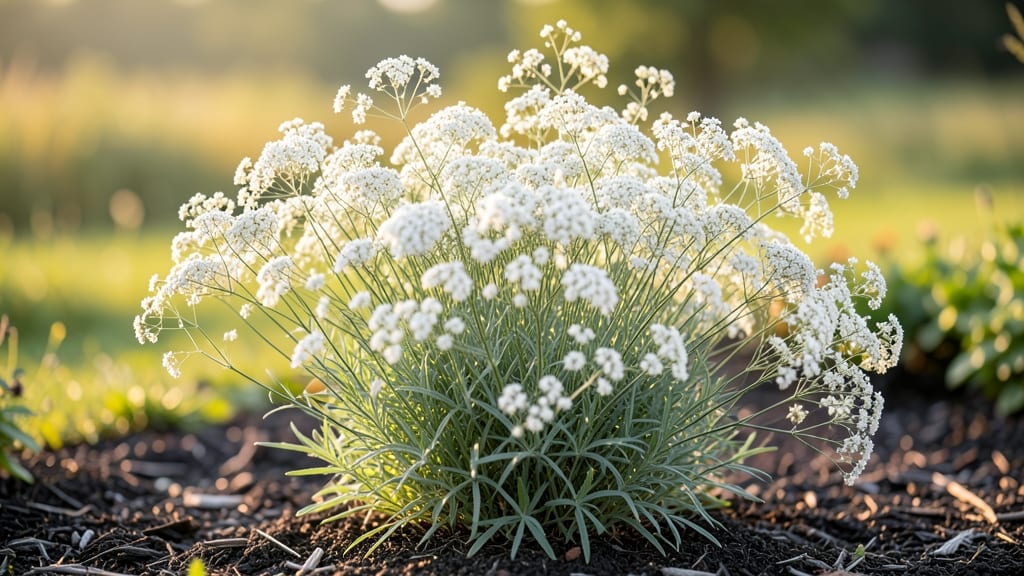
If you’ve ever wondered when gypsophila flower to transform your garden into a cloud of delicate 🌸 blooms, timing is everything. These airy white clusters—commonly known as Baby’s Breath—typically burst into color in late spring, but their exact bloom window depends on whether you’re growing annuals or perennials.
For most gardeners in USDA Zone 6a, Baby’s Breath starts flowering around May, peaking in June and often lasting through July or August. Annual varieties like Gypsophila elegans tend to bloom earlier and more prolifically, while perennials like Gypsophila paniculata may stagger their flowers for a longer display.
Climate plays a big role—cooler regions might see blooms delayed until early summer, while warmer zones could enjoy earlier flowers. The key to extending that floral show? Deadheading spent blooms and ensuring they get full sun (at least 6 hours daily).
Ready to plan your planting schedule? I’ll break down the exact months for your variety, plus pro tips to keep those 🌸 clusters coming all season long. Let’s get started!
Gypsophila flowering seasons by popular variety (with exact months)
Gypsophila, commonly known as baby’s breath, offers a stunning array of blooming seasons depending on the variety. Whether you're growing annuals like Gypsophila elegans or perennials like Gypsophila paniculata, understanding their bloom times helps you create a garden that thrives from early summer to late fall.
Some varieties even reward you with prolonged flowering if you follow a few simple care tips.
Annual gypsophila varieties typically bloom earlier in the season, making them perfect for spring and summer displays. Perennial varieties, on the other hand, often have longer bloom periods and can even return year after year with proper care.
Let’s break down the exact months each popular variety flowers, so you can plan your garden like a pro.
If you're growing Gypsophila elegans, expect blooms to start as early as late May or June in warmer climates, while cooler regions may see flowers appear in July.
This annual variety is a favorite for summer weddings and bouquets because of its prolonged bloom period that can last until early August with proper care.
For perennial varieties like Gypsophila paniculata, the show begins in mid-summer and often extends into September. These hardy plants are perfect for low-maintenance gardens because they thrive in dry conditions once established.
If you live in a cooler climate, you might see blooms start slightly later, around late June.
One of my favorite early-season bloomers is Gypsophila repens, which starts flowering as early as May. This variety is ideal for ground cover and pairs beautifully with spring bulbs like daffodils. Its delicate white flowers create a soft contrast against the vibrant colors of tulips and hyacinths.
For those who love late-season color, Gypsophila muralis is a game-changer. This annual variety doesn’t peak until July and can continue blooming well into October in mild climates. It’s a fantastic choice for fall weddings or adding texture to your garden as other plants begin to fade.
If you're aiming for tall, dramatic displays, Gypsophila struthionis is the way to go. This variety blooms from June through September and can reach heights of 2 to 3 feet. It’s perfect for the back of flower beds or as a stunning cut flower for arrangements.
To maximize your gypsophila blooms, plant a mix of varieties. For example, start with Gypsophila repens in spring, followed by Gypsophila elegans in early summer, and finish with Gypsophila muralis for fall color. This layered approach ensures your garden stays vibrant all season long.
Pro tip: Deadhead spent blooms regularly to encourage more flowers. This simple task can extend your gypsophila’s bloom season by several weeks, giving you even more time to enjoy their delicate beauty. With the right varieties and care, your garden can be a gypsophila paradise from spring to fall.
How climate Zones affect Gypsophila blooming times (USDA guide)
Your USDA climate zone dramatically shifts when gypsophila flowers appear in your garden. In cold climates (Zones 3-5), most varieties bloom late June to August after surviving early spring frosts.
Meanwhile, warm-zone gardeners (Zones 8-10) often see blooms as early as March or April, sometimes even year-round with frost-sensitive species.
Annual varieties like Gypsophila elegans typically follow local frost dates, while perennials such as Gypsophila paniculata may produce staggered blooms across multiple seasons. Understanding these patterns helps you select the right varieties for your region and plan companion plantings for continuous color.
In Zones 3-5, early spring frosts delay blooming until soil temperatures stabilize. I’ve found that Gypsophila repens often waits until late June to show its delicate white flowers, while Gypsophila muralis may bloom slightly earlier in protected microclimates.
These cold-hardy varieties reward patience with long-lasting summer displays that attract pollinators.
Warm-zone gardeners in Zones 8-10 enjoy a head start, with some varieties like Gypsophila perfoliata blooming as early as February. However, these frost-sensitive plants may suffer if late frosts arrive. I recommend planting them near heat-retaining walls or using row covers during unexpected cold snaps to protect tender blooms.
One surprising exception is Gypsophila oldhamiana, a winter-blooming variety that thrives in Zones 7-10. This evergreen perennial often flowers from December to February, adding color to otherwise bare winter gardens. For cold climates, consider growing it in containers** that can be moved indoors during freezes.
To maximize blooms in your zone, pay attention to last frost dates and plant annual varieties after the danger has passed. In Zones 3-5, I’ve had success with early-sown seeds under grow lights to jumpstart growth.
Meanwhile, warm-zone gardeners should focus on shade protection during heatwaves to prevent bud drop.
Remember, gypsophila’s blooming window can stretch with proper care. Deadheading spent flowers and maintaining well-draining soil encourages repeat blooms, especially in perennial varieties. Whether you’re in a frosty Zone 4 or a mild Zone 9, these adjustments help you enjoy baby’s breath’s ethereal beauty for months.